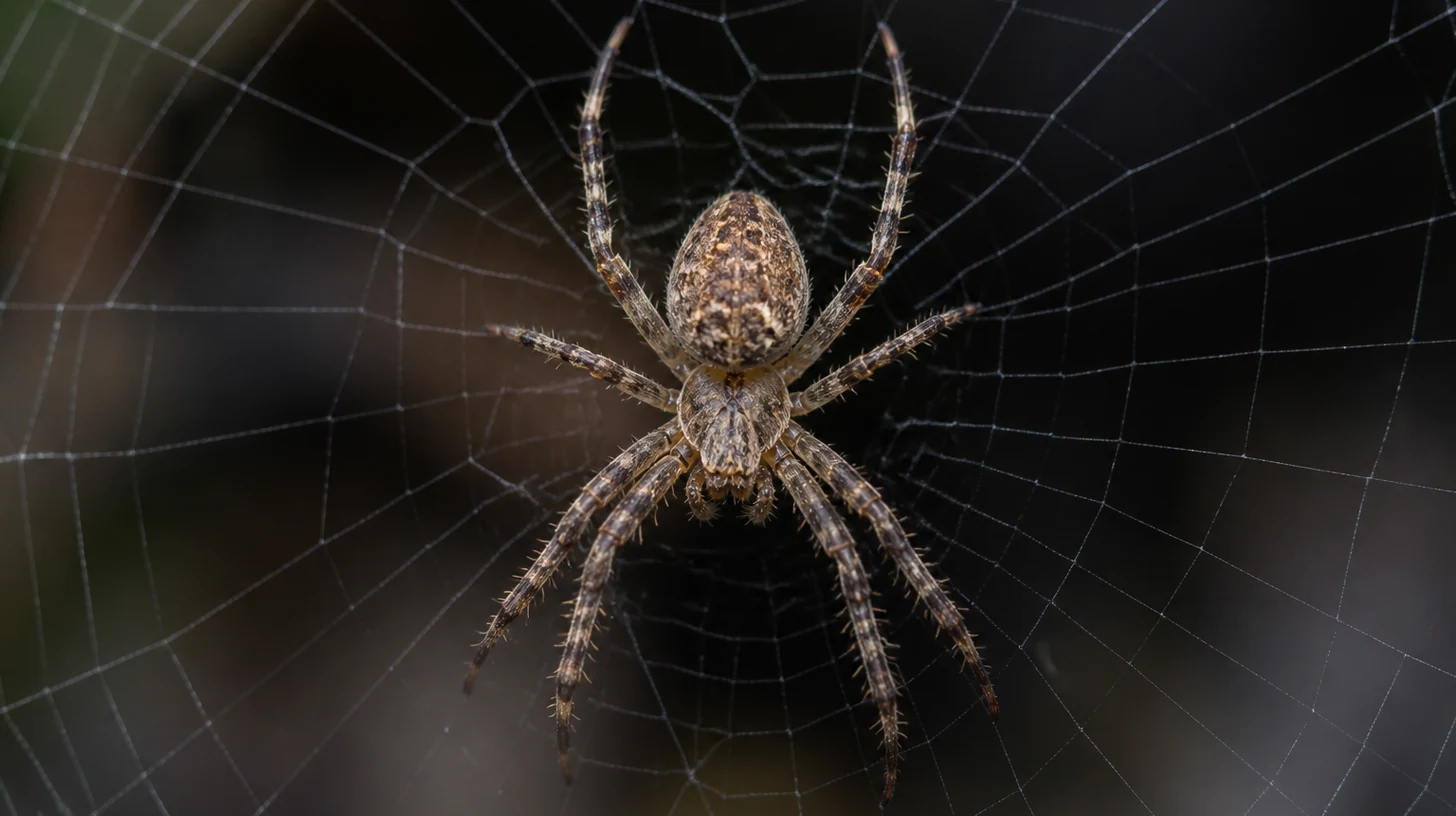
A spider builds a web because silk is a multi-purpose material that serves for catching prey, sheltering and protecting eggs. But not every spider builds a prey web; some chase their prey themselves. The really interesting part is that the spider builds its web not like a single piece of thread but by laying threads with different jobs in sequence. To identify the spider you see at home, you can look at the guide to identifying spiders in the house.
What is a spider web for?
In web-spinning spiders, the web is a trap that serves to catch moving prey. When a small flying or walking creature hits the threads, a vibration is created; the spider senses this vibration and heads to where the prey is. Some threads carry the structure, some spread the impact, and some help hold the prey. The layout of the web can vary according to the spider’s species and where it lives.
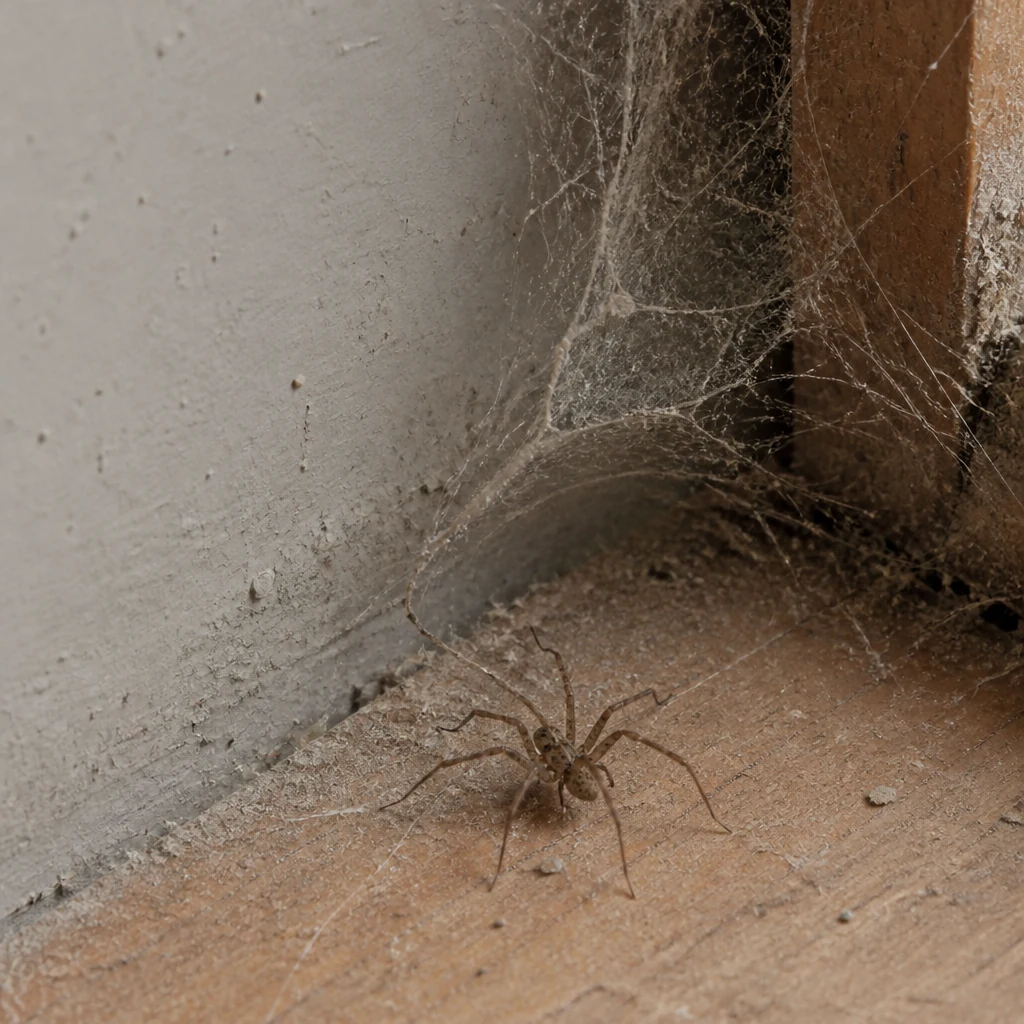
Silk is not just a prey web. Spiders also use it to make egg sacs, to build a retreat to hide in and to leave a safety line as they move. That’s why not seeing a web doesn’t mean there is no spider nearby. Some species, such as jumping spiders, actively search for their prey instead of catching it with a web; silk can still serve as a shelter or a safety line.
Where on the spider does silk come out?
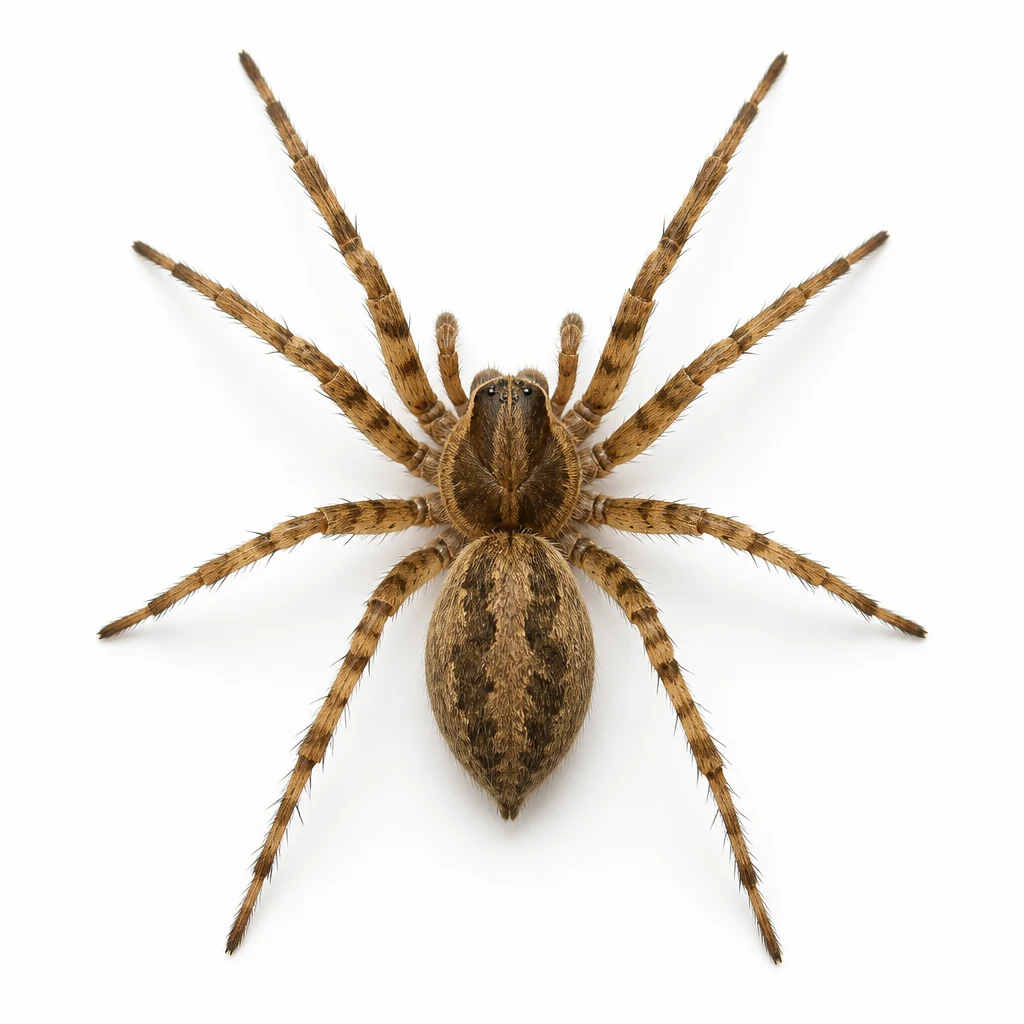
Silk is produced as a protein-rich liquid in glands in the spider’s abdomen. The liquid turns into a fibre as it is drawn out through the spinnerets seen at the tip of the abdomen. The spider can guide this thread with its legs and attach it to surfaces. Different glands and types of silk are used for different jobs; not every thread has to be sticky.
Don’t confuse the spinnerets with the spider’s legs: spiders have eight walking legs, while the silk comes out at the tip of the abdomen. When looking closely, don’t pick the spider up; signs such as the shape of the web and where it is may not be enough to determine its species. The basic body features are explained in the article on spider identification tips.
The chemistry and elasticity of the threads also vary according to their job. The strength of a supporting fibre is not the same property as the stickiness of a capture thread. The spider directs the silk coming out of its glands so that it can be used for different jobs; this flexibility helps the web both absorb impact and hold prey. The amount of silk and the size of the web, meanwhile, depend on the spider’s species, its body and the area it is in.
How does a spider spin its web?
In species that spin a circular, wheel-shaped web, construction usually begins with a bridge thread being cast between two points. The spider strengthens this connection, then builds the outer frame and the supporting threads that run outward from the centre. These threads meet at the centre like the spokes of a wheel.
Next, the spider may form a temporary spiral to set the spacing between the threads. In the final stage it lays the prey-catching spiral threads. This pattern, described in Virginia Tech’s educational resource, is for orb-weaving spiders; not all web types follow the same sequence. Building a web is not a random heaping of threads, but a construction process shaped by the attachment points and the surrounding space.
| Web part | Main job | What it means for the spider |
|---|---|---|
| Frame threads | Attach the web to surrounding points | Gives the structure external support |
| Radial threads | Run between the centre and the frame | Form a supporting path; not sticky in most orb webs |
| Capture spiral | Crosses the radial threads in a spiral | Helps the prey get caught in the web |
| Temporary spiral | Sets the spacing during construction | Guides the placement of the final capture threads |
Why doesn’t a spider stick to its own web?
In many orb webs, not all the threads are sticky. The supporting radial threads offer the spider paths along which it can move through the web; the prey-catching spiral, on the other hand, can carry sticky droplets. The spider also reduces unnecessary contact with these sticky sections as it moves. This feature is not the same in all spider webs; some webs hold prey not with sticky droplets but by entangling it among the fibres.
Are all spider webs the same?
No. Although the orb web is the shape our eyes recognize immediately, spiders can build funnel-shaped webs, irregular webs or silk sheets laid on the ground. The shape of the web depends on where the prey passes, the spider’s hiding place and the available support points. The Cleveland Museum of Natural History also notes that the types of web suit different hunting strategies, while some hunting spiders do not build a prey-catching web.
Why does a spider renew or abandon its web?
Part of the web can tear, get dusty or no longer catch prey efficiently. Some orb-weaving spiders renew the web regularly, eating part of the old silk and recovering its proteins. This behaviour is not seen with the same frequency in all species. If you want to clean the webs in your home, also consider the spider’s entry routes and hiding spots; for the steps, you can go to the control guide for spiders in the house.
The most important distinction in understanding how a spider web is spun is this: the web you see is not the spider’s only job, and not every species hunts in the same way. You can also read the article explaining how long spiders live and how many eggs they lay for spider lifespan and egg sacs.
Frequently asked questions
How long does it take to spin a spider web?
The time varies according to the species, the size of the web and the conditions. A single duration cannot be applied to all web-spinning spiders.
Why are spider webs more visible in the morning?
Dew drops can make the thin threads stand out. The web may have been there at night too; it only becomes noticeable when the light and humidity change.
Do spiders that don’t build webs produce silk?
Yes. Some hunting spiders can use silk for purposes such as a hiding place, an egg sac or a safety line; not building a prey-catching web doesn’t mean they are without silk.
Sources
- Cleveland Museum of Natural History, “The Science of Spiderwebs”: https://www.cmnh.org/learn/science-blog/2026/10/22/the-science-of-spiderwebs
- Virginia Tech Entomology, “Orb Web Construction and Features”: https://www.ento.vt.edu/content/dam/ento_vt_edu/2021-hokie-bugfest/activities/Web%20building%20and%20features.pdf
- Encyclopaedia Britannica, “Spider”: https://www.britannica.com/animal/spider-arachnid