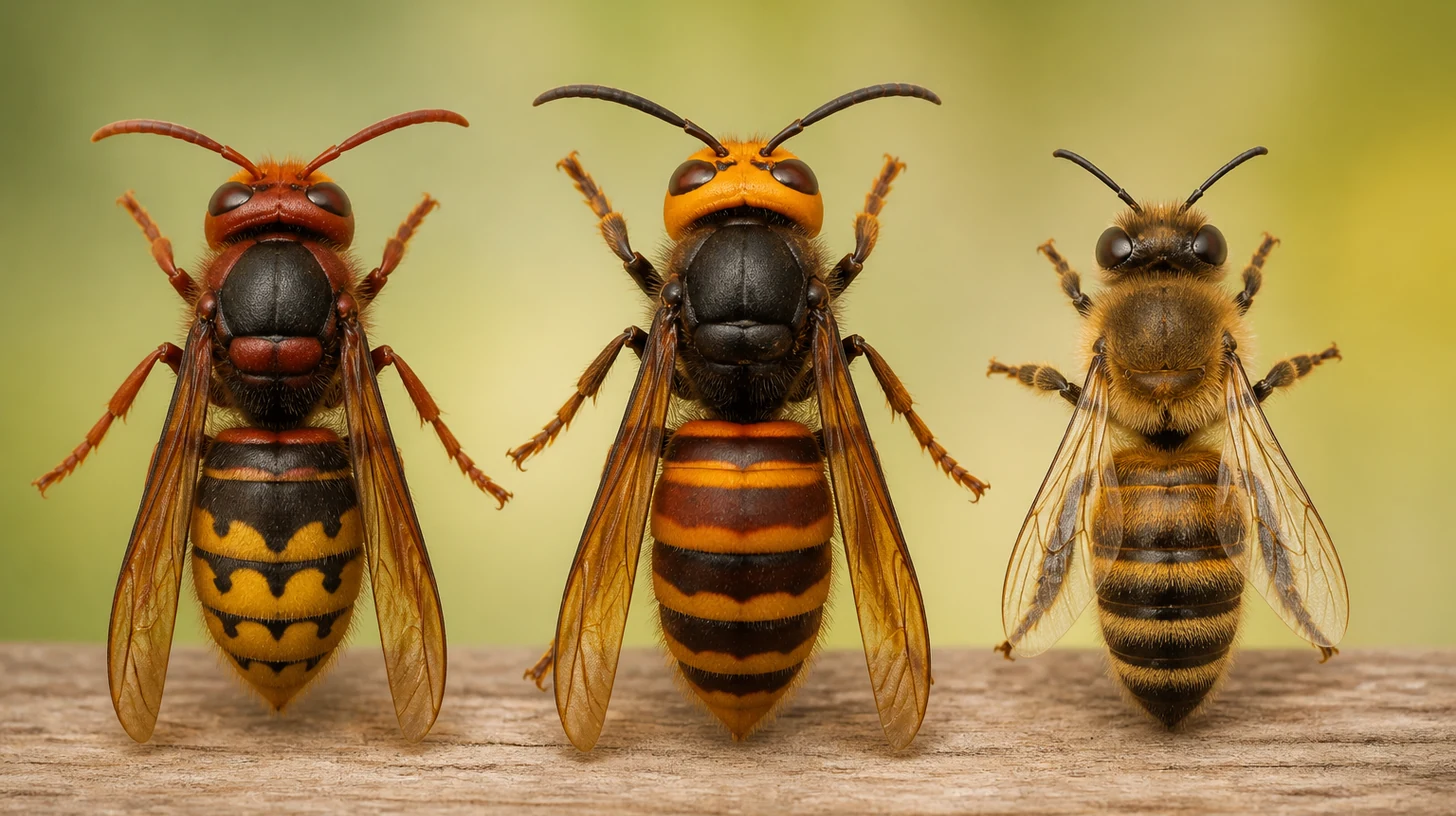
What keeps wasps away most reliably is not leaving food and garbage out in the open; no single smell or homemade mixture is a sure repellent. The really important distinction is this: moving a foraging worker away from the table is one thing, dealing with a wasp near a nest is an entirely different risk. For the feeding behavior of wasps and why they come to meat, see the guide to what wasps eat.
What attracts wasps the most?
Foods such as sugary drinks, fruit juice, ripe or rotting fruit, desserts and meat left out in the open can attract wasps. Scraps in the garbage bin and spilled drinks are also easy-to-find food. University of Maryland Extension reports that social wasps collect human food whenever they get the chance, and that this can be more noticeable at outdoor meals in late summer and autumn.
Keep food in a lidded container, cover drinks when you’re not using them, and wipe up spills on the table and floor right away. The garbage bin lid should close tightly; also regularly collect fallen fruit under trees. These steps don’t “chase away” the wasps; they reduce access to the food source that attracts them.
Which smell repels wasps?
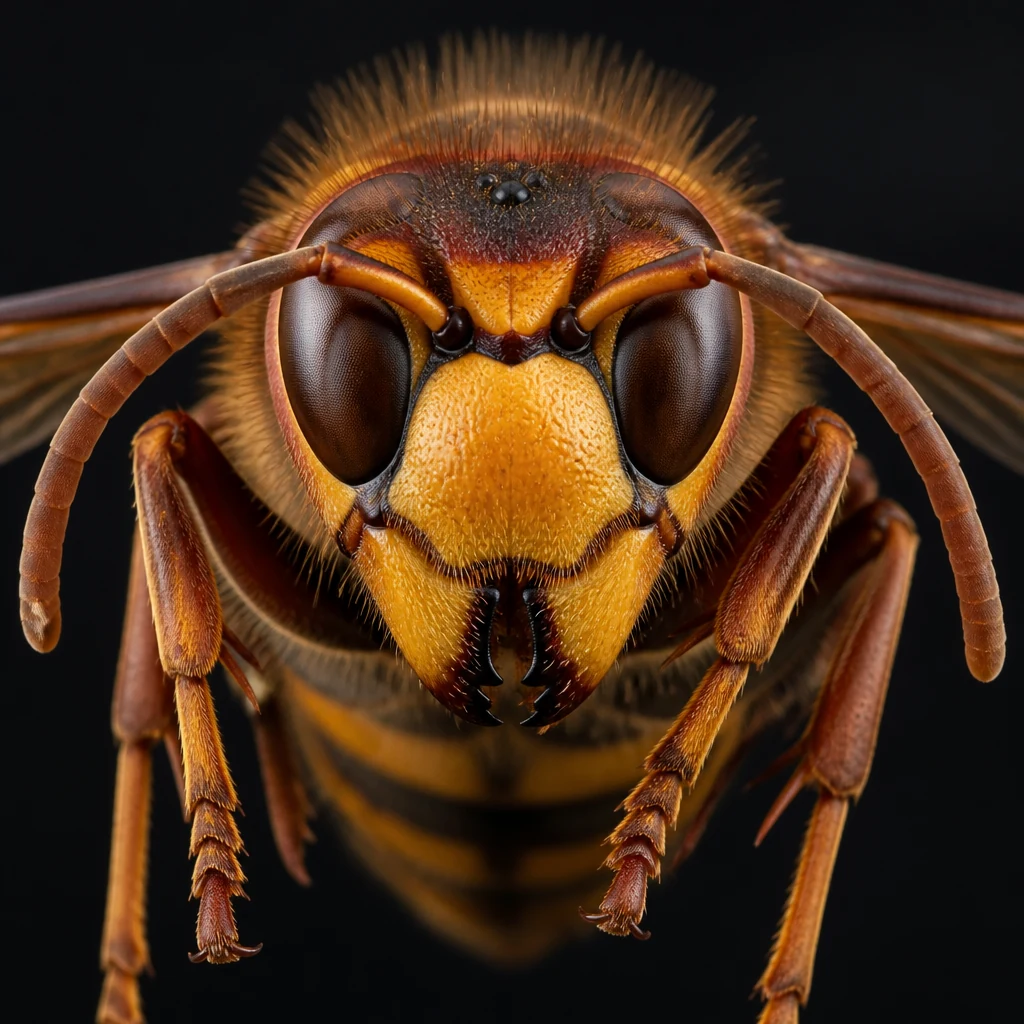
It is often said that mint, clove, vinegar, coffee grounds or incense keep wasps away in every situation; but presenting these as a reliable and lasting solution is not right. In a 2014 study that screened wasp repellents in the laboratory, some essential oils and chemicals showed a repellent effect. The results varied by substance, dose and test condition; the study does not prove that kitchen vinegar or an essential oil protects people outdoors.
Smell can sometimes attract rather than deter. The University of Kentucky Department of Entomology recommends avoiding perfume and scented personal care products, because these can attract some foraging wasps. So don’t rely on the assumption “put on a strong smell and they won’t come near.” Spraying a scented substance on a nest is also not a way to move the wasps away safely.
Do color and movement keep wasps away?
Avoiding brightly colored clothing has limited effect on its own; it is not as reliable a precaution as keeping distance from food and the nest. Waving your hand quickly, hitting it or trying to crush it while the wasp is nearby, on the other hand, can trigger defensive behavior. Calmly move away from the food area; don’t try to grab the wasp with your hand. A foraging wasp usually behaves differently from an individual defending its nest, but this doesn’t mean every encounter is risk-free.
Do homemade traps work?
Traps containing sugary liquid can attract and catch some workers; but they don’t eliminate a nearby colony and they can also draw wasps from elsewhere. University of Nebraska–Lincoln Extension states that traps can be ineffective at controlling large populations. For a few workers coming to the food table, first cover the food and the garbage; don’t mistake a trap for a nest solution.
| Situation | Practical approach | What not to expect |
|---|---|---|
| It comes to food at a picnic | Cover food and drinks, clean up spills | Vinegar or mint does not give instant protection |
| It hangs around the garbage | Use a tight lid, clean the bin regularly | A trap does not destroy the colony |
| A single wasp is flying nearby | Calmly move away, don’t swat | Color or perfume alone is not a solution |
| The nest is inside or near the house | Keep your distance, get professional help | Don’t block, shake or spray the nest |
What should you do if there is a nest?
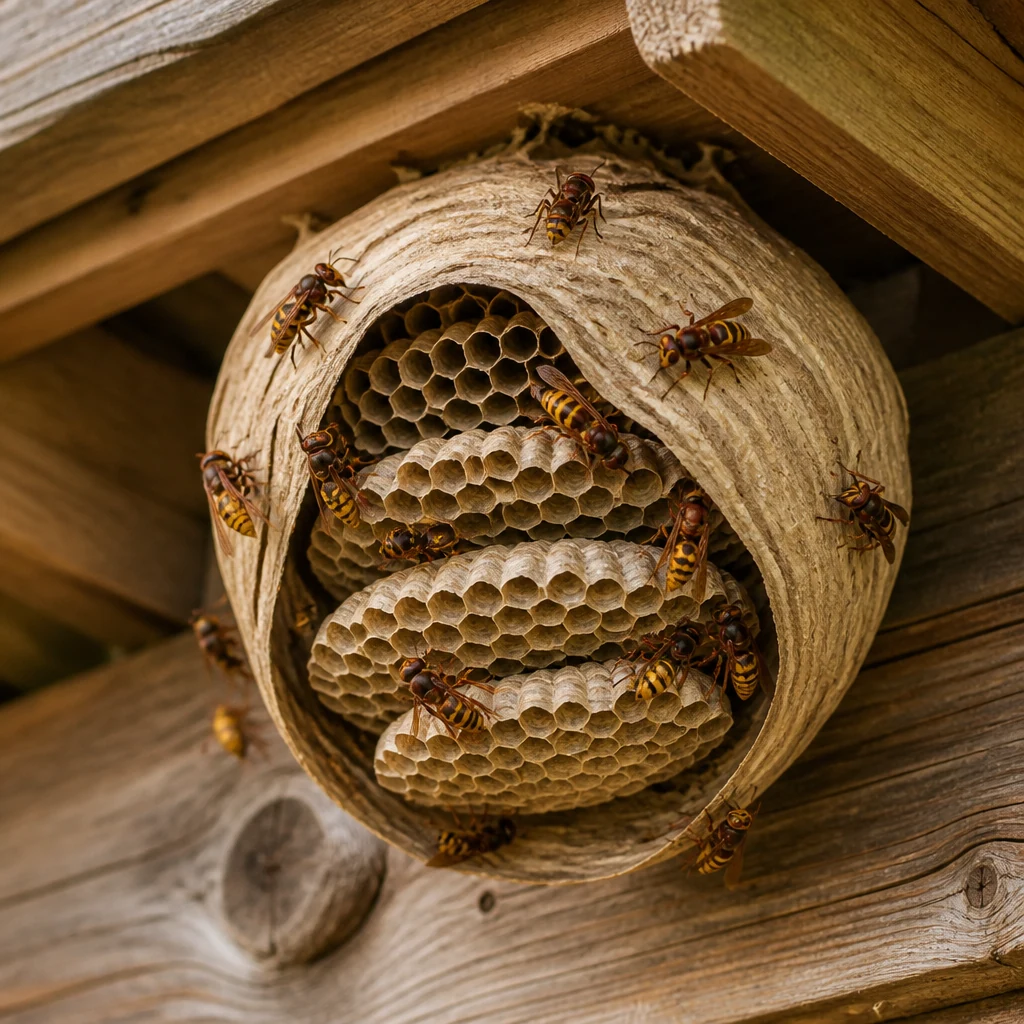
If you’ve seen the nest, don’t approach it, don’t block its entrance, don’t hit it with a stick and don’t randomly spray products on it. Disturbing the nest can cause a defensive response; a nest in a wall cavity or a high place can be especially dangerous. Keep children and pets away from the area, and consult a professional pest control service from a safe distance. For stings and risk symptoms, review the wasp sting first aid guide; to get to know the species and nests, go to the main wasp guide.
Frequently asked questions
Do coffee grounds repel wasps?
There isn’t enough evidence that coffee grounds reliably keep wasps away. Keeping food and garbage covered is a more solid precaution.
Can a wasp trap be made with a plastic bottle?
A plastic bottle trap can catch some workers; but it doesn’t eliminate the nest and doesn’t replace professional intervention. Don’t go near a nest to set up a trap.
Does perfume repel wasps?
Don’t count on it. Some scented products can attract foraging wasps; choosing unscented products and covering food is a more cautious approach.
Sources
- University of Maryland Extension, “Social Wasps: Yellowjackets, Hornets, and Paper Wasps”: https://extension.umd.edu/resource/social-wasps-yellowjackets-hornets-and-paper-wasps
- University of Kentucky Entomology, “Controlling Wasps, Hornets, and Yellowjackets”: https://entomology.mgcafe.uky.edu/ef620
- Boevé, J.-L., Honraet, K. & Rossel, B. (2014), “Screening of Repellents against Vespid Wasps,” Insects: https://pmc.ncbi.nlm.nih.gov/articles/PMC4592629/
- University of Nebraska–Lincoln Extension, “Paper Wasps and Yellowjackets”: https://hles.unl.edu/insects/urban-entomology/wasps/