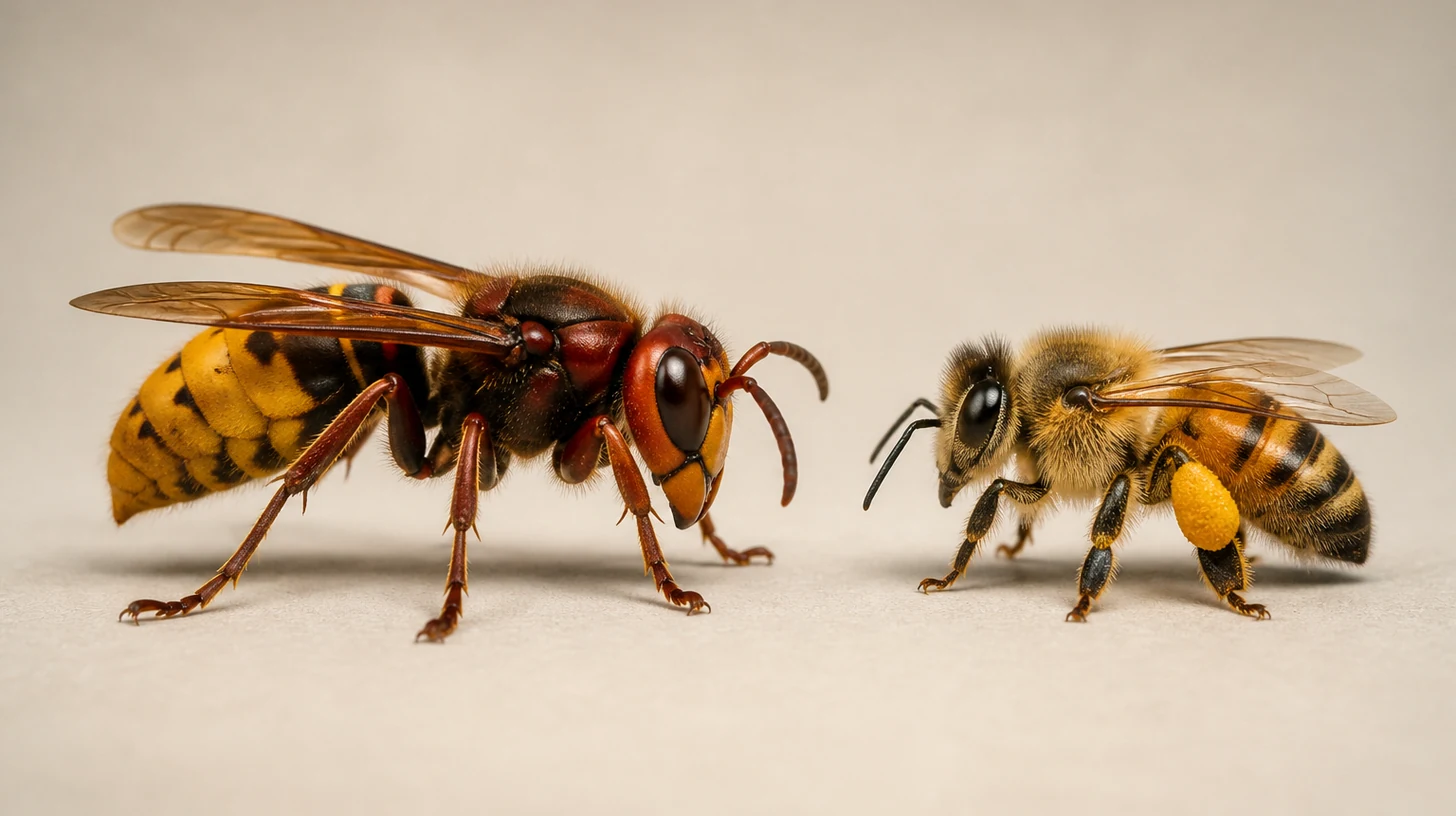
Wasps both feed on sugary liquids and mostly carry the insects they hunt to their larvae; their coming to meat is related to this protein need. The surprising detail is this: the adult worker and the larva in the nest don’t consume the same food in the same way. For the nest and behavior traits of the species found in Türkiye, see the wasp guide.
What do wasps eat?
Adult wasps get energy from sugary liquids such as nectar, ripe fruit juice, plant sap and the honeydew secreted by aphids. Larvae, on the other hand, need protein-rich food to develop. Workers catch caterpillars, flies and other small arthropods, cut them up and bring them to the nest. The University of Maryland extension service explains that adults take liquid and sugary foods, while the young receive the prey brought by the workers.
That’s why the saying “wasps eat meat” is partly true; but meat is often not the adult’s main meal. A worker chewing on a piece of meat at a picnic may be collecting the protein-rich piece for the larvae. Adults also go for sugary drinks and fruit. Because diet can vary by species, this pattern shouldn’t be taken as a rule without exception for every wasp.
This food division makes it easier to understand the division of labor in the nest: adults use sugary liquids for flight while directing protein-rich prey to the growth of the young. That’s why you need to think about feeding not only as “what is the wasp eating?” but also as “which individual is it collecting for?”
Do they eat honey bees?
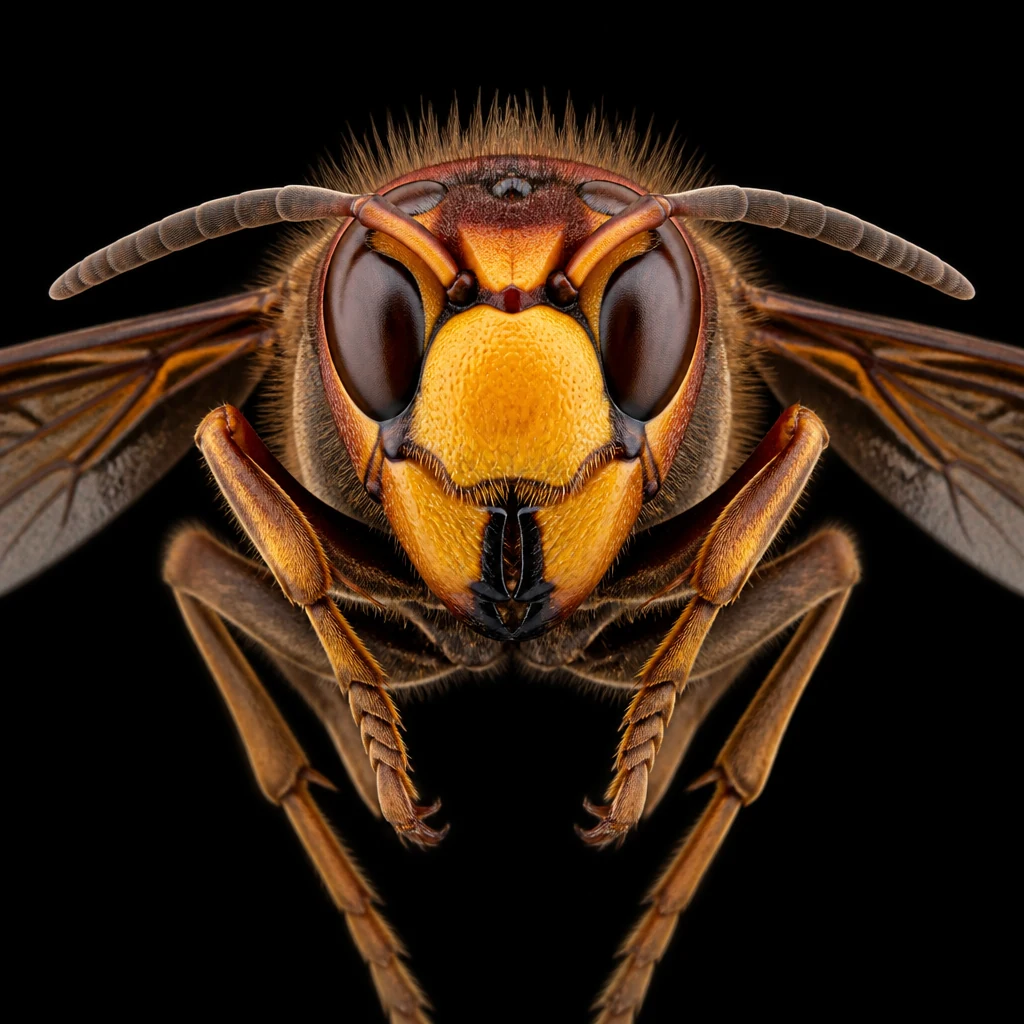
Some wasps can hunt honey bees; but a generalization like “wasps eat honey bees” that is extended to all species is not correct. The name wasp covers different Vespidae species. Some species can catch honey bees or look for prey around an apiary; other species hunt different insects. The prey carried to the colony meets the larvae’s protein needs.
Honey bees aren’t always the target of wasps either. For the differences in appearance and behavior between wasps and honey bees, you can read the comparison guide. The honey bee article gives more detailed information about the honey bee’s colony structure and diet.
Why do they come to meat?
Uncovered meat, cooked meat and food scraps look like an easy-to-find protein source to workers. While the nest is active, workers look for this kind of food they can take to the young. The smell of the meat and its easy accessibility can lead wasps to come to the table, especially at outdoor meals. This behavior on its own doesn’t show that they are “about to attack”; still, sharing the food or shooing them away with hand movements increases the risk of being stung.
Toward the end of summer, the number of workers in the colony and the nest’s food needs can be high; at the same time, the decline in natural sugar sources can also steer the wasps toward human food. That’s why some days you see wasps coming to fruit or a sweet drink, and on another day to the meat plate. This observation doesn’t mean their diet suddenly changed or that they specifically target people. The wasp is trying to reach the food; waving your hand next to the food or trying to crush the wasp, on the other hand, can trigger a defensive response. Not drinking from open drink cans without checking them also reduces the risk of being accidentally stung in the mouth.
Keep food covered, put waste in a lidded bin and clean up spilled sugary drinks. When a wasp comes close, move away calmly without sudden swatting movements. If you’re near a nest, don’t approach it or intervene yourself. For first aid after a sting and emergency symptoms, see the wasp sting guide.
What is the difference in diet between wasps and honey bees?
| Feature | Wasp (common social species) | Honey bee |
|---|---|---|
| Frequently consumed by the adult | Nectar, fruit and sugary liquids | Nectar and honey |
| Food for the young | Insects and protein-rich prey brought by workers | Royal jelly and pollen-based food prepared by worker bees |
| Going for a piece of meat | May be related to workers carrying protein to the larvae | Not typical feeding behavior |
| Winter food pattern | In many temperate species the colony disperses at the end of the season | The colony can overwinter on its honey stores |
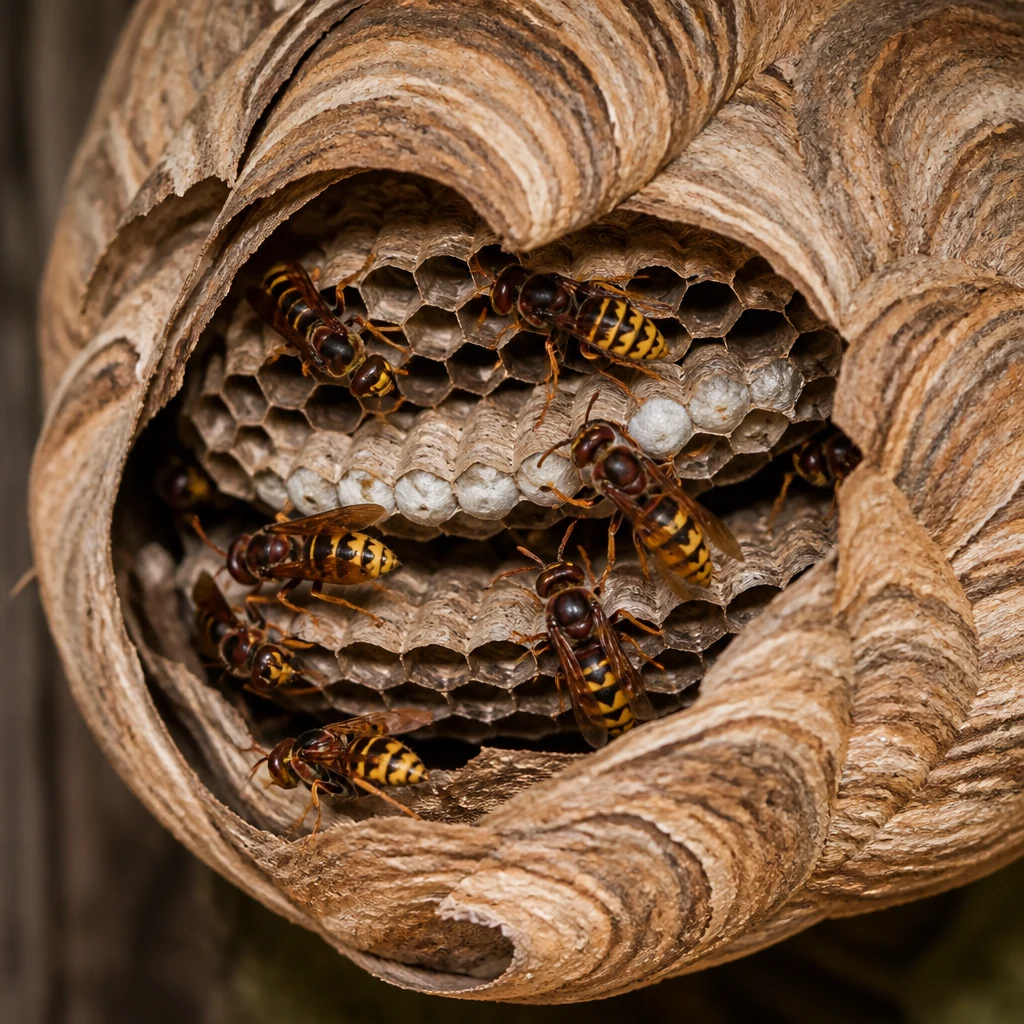
The comparison is for common social wasps; not all species behave the same way. For example, some tropical wasps store honey. So saying “no wasp stores honey” isn’t correct either; these exceptions are explained in the article about wasp honey. The paper-like cells of a wasp nest also don’t, on their own, show that there is honey.
Does the wasp carry meat for itself?
A worker wasp can chew and break up meat; it mostly delivers the protein-rich material it collects to the larvae. Adults can also benefit from the nutritious liquids they receive from the larvae. Food sharing binds colony members to one another: while workers bring prey, the larvae also produce liquid food that adults can use. That’s why thinking of the wasp that comes to the meat on the table only as a “meat-eating adult” is misleading.
Sources
- University of Maryland Extension, “Social Wasps: Yellowjackets, Hornets, and Paper Wasps”: https://extension.umd.edu/resource/social-wasps-yellowjackets-hornets-and-paper-wasps
- University of Nebraska–Lincoln Extension, “Paper wasps and Yellowjackets”: https://hles.unl.edu/insects/urban-entomology/wasps/
- “Honey wasps differ from other wasps in possessing large gut communities dominated by host-restricted bacteria,” PNAS / PubMed Central (2025): https://pmc.ncbi.nlm.nih.gov/articles/PMC12607865/