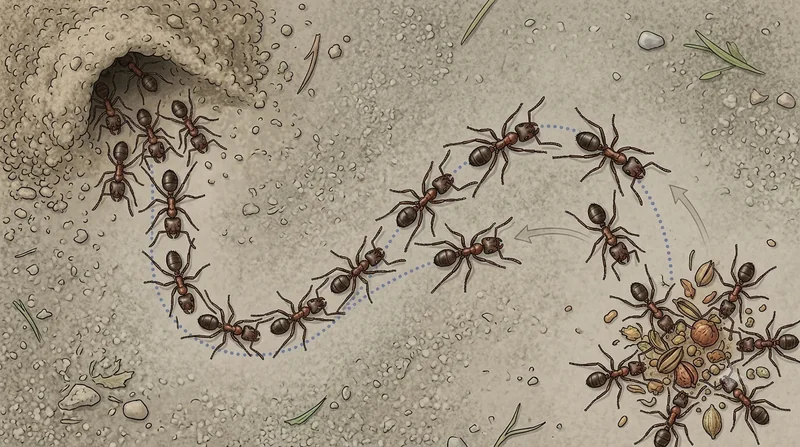
Ant trail — formation of a pheromone trail

How Do Ant Trails Form? The Pheromone Language

An ant trail is set up not by the intelligence of a single ant but by colony behavior. The first food discovery leaves a trail; this trail is read by the antennae of the other workers; then each passing individual adds a little more pheromone onto the trail. In this way a weak route turns into a strong line in a short time. This simple mechanism brings together efficient searching and signal amplification in nature. Nature doesn’t use brute force here; it makes distributed decisions. For the broader backbone, our main ant article is the main map. ...
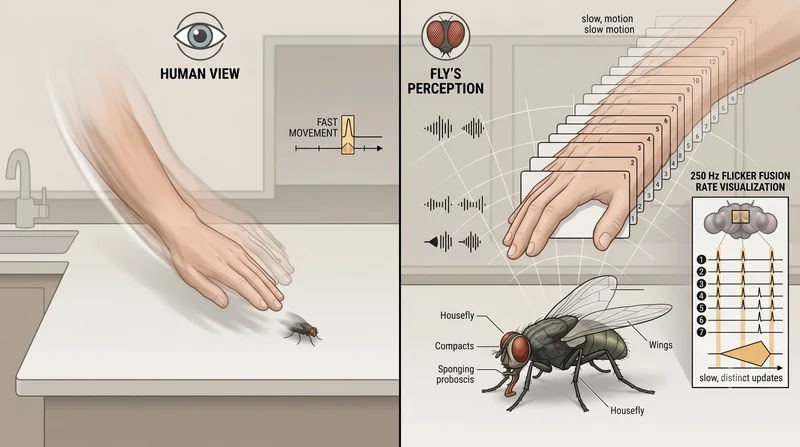

House fly escaping a hand movement in slow motion

Why Does the House Fly Escape So Fast? The Wonder of the Eye

The house fly can escape a hand movement because time doesn’t read for it the way it does for us. The structure of its compound eye samples motion more frequently and raises the alarm early. That’s why what feels to us like a single sudden attack is, on its side, an approach noticed early. For the general picture, go back to the article House Fly: Biology, Behavior and Seasonal Effects; the backbone of biology and behavior sits there. ...

Cockroaches entering the home — a kitchen setting

Why Do Cockroaches Come Indoors? Food, Moisture, Temperature

A cockroach generally enters a home for three things: food, water and warmth. But it doesn’t end there. If the home has a hidden entry point, a damp corner and easily reached crumbs, the setting is ready for it. That is why the kitchen and bathroom are the areas where it is seen most often. For broader biology and species differences, also see the Cockroach: Species, Biology and Relationship with Humans page. The issue here is not a single cause; it is the attraction factors gathering at the same point. When [food], [moisture] and [temperature] come together, the home becomes an easy stop for the cockroach. ...

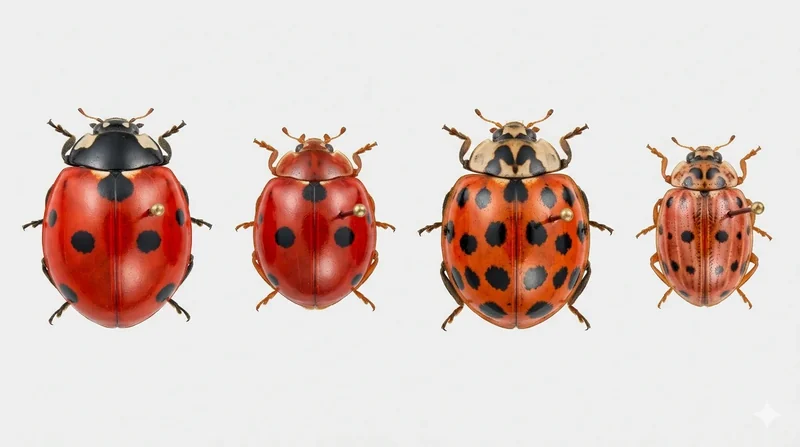
4 ladybug species in Turkey

Ladybug: Between Science and Folklore

The ladybug is a beetle belonging to the family Coccinellidae within the order Coleoptera, one that people easily love but whose ecological impact should not be underestimated. It has more than 6000 species worldwide; in other words, the small red spotted form we see is not a single type. The most talked-about shared trait is that it hunts aphids, also known as plant lice. That’s why the ladybug is not just “cute”; it is a useful predator in farming and in the garden. Its evolutionary history also goes back quite far; the group’s roots reach back about 60 million years. In short, this beetle is not a showcase color but a working part of nature. This article is a general guide; for the detail most often asked about in daily life, you can look at our article Why Is the Ladybug Considered Lucky? Folklore and Science. ...

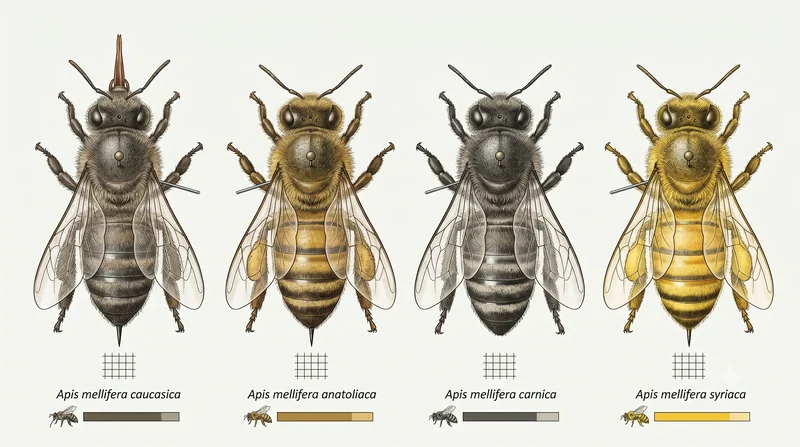
The 4 honey bee subspecies in Türkiye

Honey Bee: Society, Communication and Ecological Importance

Short answer: the honey bee is one of the best-known representatives of the genus Apis, belonging to the family Apidae within the order Hymenoptera. Its evolutionary origin goes back roughly 30 million years; human contact with beekeeping, meanwhile, has a history of at least 9000 years. Although in everyday language it is called just “the insect that makes honey,” the story is bigger: the honey bee is a pollen-carrying worker that helps plants reproduce sexually, a society living in a hive and an ecological element critical for agriculture. This article is a general guide; for the detail asked about most often in daily life, you can look at our article Honey Bee Dance Language: Karl von Frisch and the Figure-8 Waggle Dance. ...

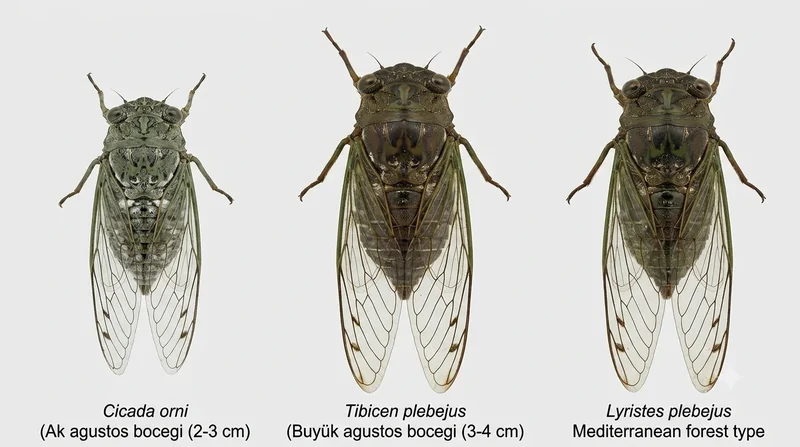
3 cicada species in Türkiye

Cicada: Sound, Nature and Life Cycle

The short answer: the cicada is an old and populous insect group of the family Cicadidae within the order Hemiptera, noticed in the summer heat by its sound. We are talking not about a single species but about a large family with more than 3000 species. Its origin is not new either; its evolutionary traces go back roughly 200 million years. Everyday language claims it as just a “bug”, but what it does is not ordinary: it produces one of the strongest insect sounds in nature, comes onto the stage with daylight and hot weather, and calls a mate with its sound. This article is a general guide; for the detail asked about most often in daily life, you can look at our article Why Do Cicadas Sing Constantly? The Sound Mechanism. ...

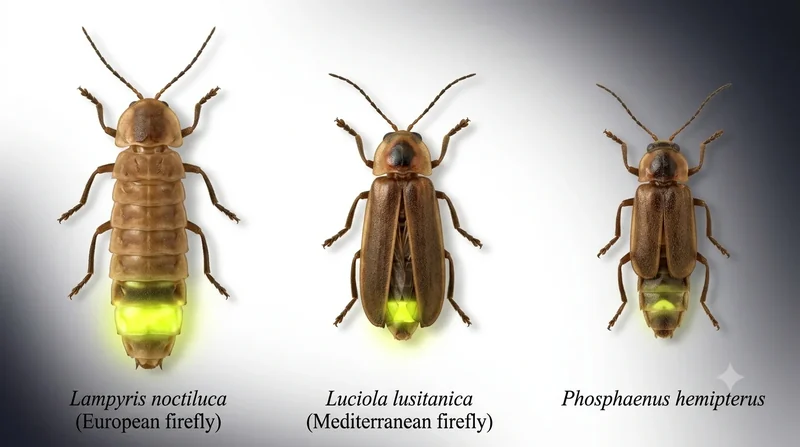
3 firefly species seen in Türkiye

Firefly: Bioluminescence and Ecology

Short answer: the firefly is a group of insects belonging to the family Lampyridae within the order Coleoptera. In everyday speech it is called an insect, and scientifically it is an insect too. Its most special feature is that it can produce its own light in the dark and uses this light in mating communication. When we say firefly, we should think not of a single creature but of an old group made up of more than 2000 species; its origins go back roughly 100 million years. This article is a general guide; for the detail asked about most often in daily life, you can look at our article Why Do Fireflies Glow? The Secret of Bioluminescence. ...

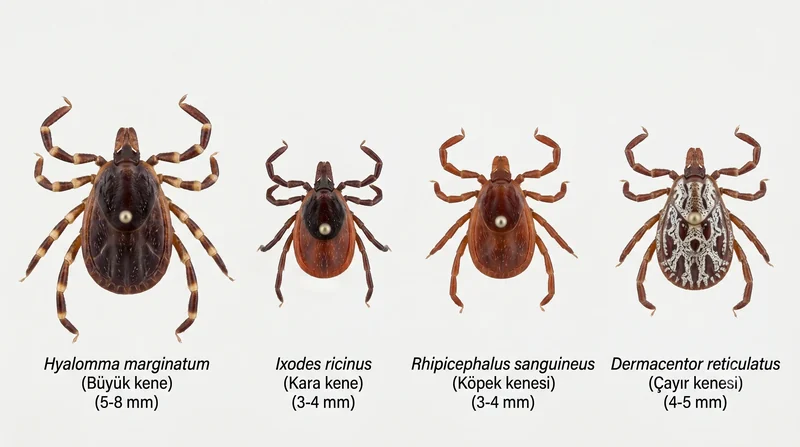
4 tick species found in Türkiye

Tick: Biology, Life Cycle and Health Perspective

Although ticks are called “bugs” in everyday speech, they are not insects in scientific terms; they are arthropods belonging to the order Ixodida within the class Arachnida. They have eight legs and are relatives of spiders and scorpions. There are more than 900 species worldwide. Their evolutionary line goes back about 100 million years; in other words, this group of animals is thought to have been around in the age of the dinosaurs as well. Visually, people put them in the same basket as insects, but knowing the correct class matters. That is because the tick, with its behavior and health impact, stands apart from the classic “flying, stinging bug” logic. This article is a general guide; for the detail people ask about most often in daily life, see our article What to Do After a Tick Bite? An Evidence-Based Guide. ...

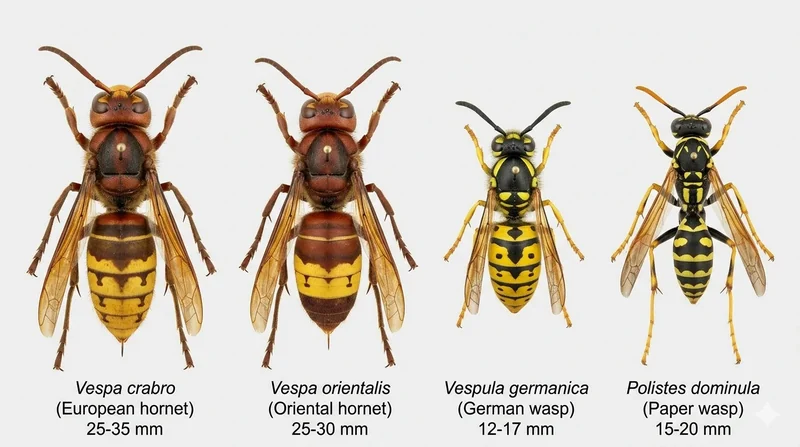
4 types of wasp found in Türkiye

Wasp: Social Structure and Relationship with Humans

The wasp is a member of the Vespidae family within the order Hymenoptera. This group, which people know as the “big bee,” actually stands on a separate line from the honey bee. There are over 5,000 species worldwide, and their distribution extends across Europe, Asia and North America. Their evolutionary line goes back about 150 million years. In other words, the creature in front of you is not a short-term summer guest, but a social insect group with a long evolutionary history. That’s why seeing the wasp as just a “stinging insect” falls short; the right view is to read it as a community of species in which biology, behavior and the relationship with humans come together. This article is a general guide; for the detail asked about most often in daily life, see our Wasp vs Honey Bee: How to Tell Them Apart? article. ...

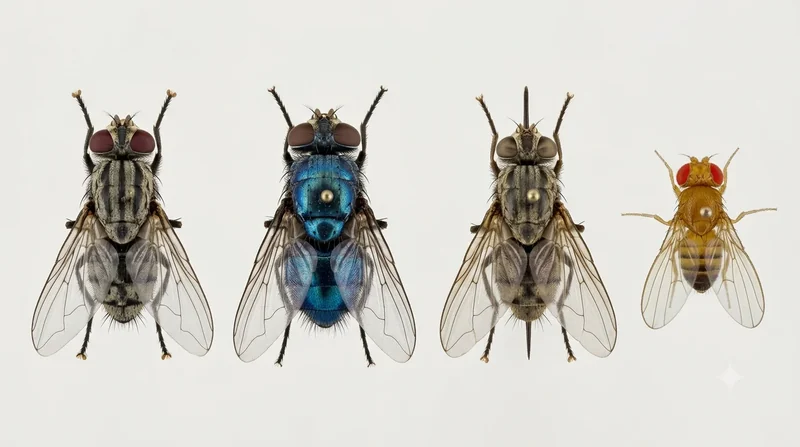
4 types of house fly seen in Türkiye — composite image

House Fly: Biology, Behavior and Seasonal Effects

The house fly is a member of the Diptera that the public recognizes most easily but often names wrongly. The most commonly seen species is Musca domestica, and this species belongs to the family Muscidae. The roots of the house fly lineage go back about 50 million years; in other words, this creature is not a new guest of the city but a very old master of adaptation. Seeing it in the house is no coincidence. There is usually organic waste, open food, a damp surface or an attraction source coming in from outside in the immediate surroundings. This article is a general guide; for the detail asked about most often in daily life, you can look at our article Why Does the House Fly Escape So Fast? The Wonder of the Eye. ...

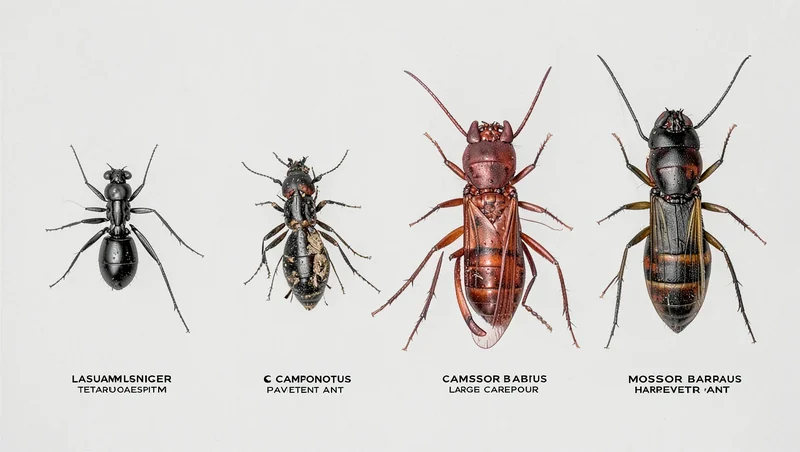
4 ant species seen in Türkiye — composite image

Ant: The Insect World's Master of Social Structure

The ant is a group of social insects belonging to the family Formicidae within the order Hymenoptera. The number of described species exceeds 14,000; its evolutionary history goes back roughly 140 million years, to the Cretaceous period. Living as a colony rather than as single individuals, this group sets up a division of labor shared by queens, workers, soldiers and males. An ant you see in the house is usually not alone but the forward outpost of a larger organization. This article is a general guide; for the detail asked about most often in daily life, you can look at our article How Do Ant Trails Form? The Pheromone Language. ...

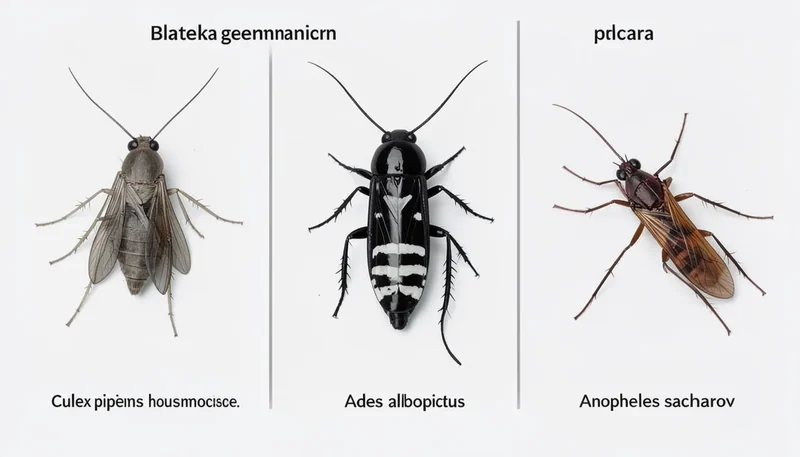
3 mosquito genera found in Türkiye — composite image

Mosquito: Biology, Species and Health Information

The mosquito is a group of insects belonging to the family Culicidae within the order Diptera. There are more than 3,500 species worldwide; the fossil record goes back about 190 million years, to the Cretaceous period. Its Turkish folk name, “sivrisinek”, comes from its long, pointed proboscis. In other words, “sivri” (pointed) and “sinek” (fly) are combined; but this animal is not an ordinary fly — with its blood-feeding females, its water-dependent life cycle and its many vector roles, it forms a separate group. This article is a general guide; for the detail people ask about most often in daily life, see our article Why Do Mosquitoes Bite Some People More? The ETM Complex. ...