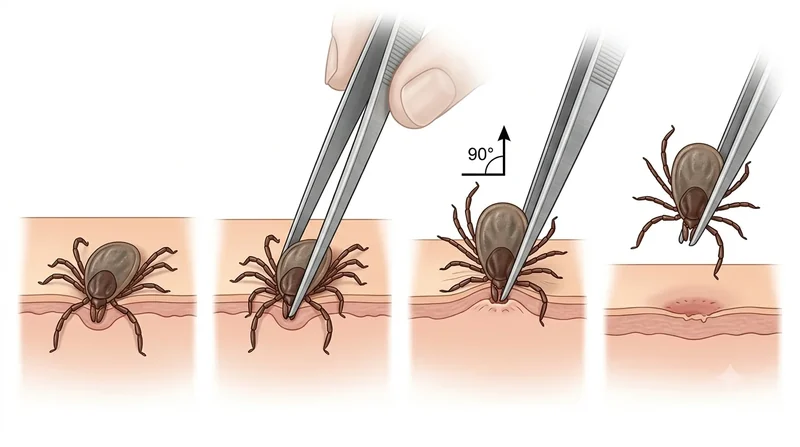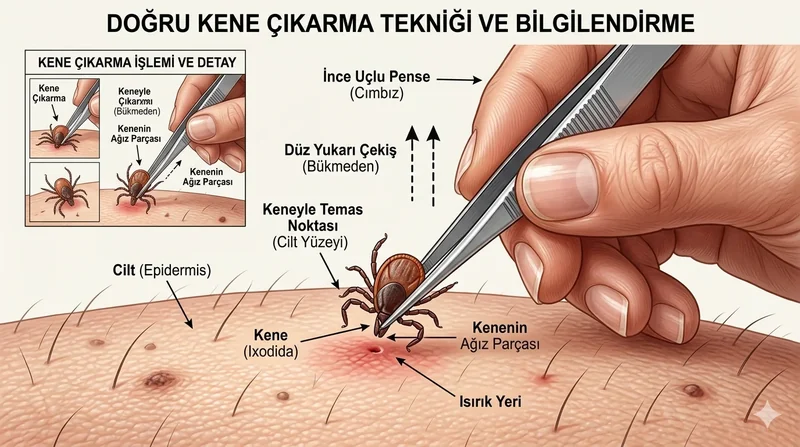
Removing a tick with fine-tipped tweezers — the correct method

Tick Removal Method: The Correct Pull with Tweezers

Medical notice: This article is for general information; for detailed aftercare, see the What to Do After a Tick Bite? An Evidence-Based Guide page. If there is fainting, severe bleeding, shortness of breath, rapidly increasing pain, a high fever or a rash, seek care at a healthcare facility. The short answer to how to remove a tick is clear: with fine-tipped tweezers, a tick remover or ordinary tweezers, grasp the tick at the point closest to the skin, pull straight upward and don’t twist. This method is consistent with the attachment logic described on the Tick: Biology, Life Cycle and Health Perspective page; for the steps you need to follow after removal, also see the What to Do After a Tick Bite? An Evidence-Based Guide page. The aim here is not brute force but a controlled removal. ...
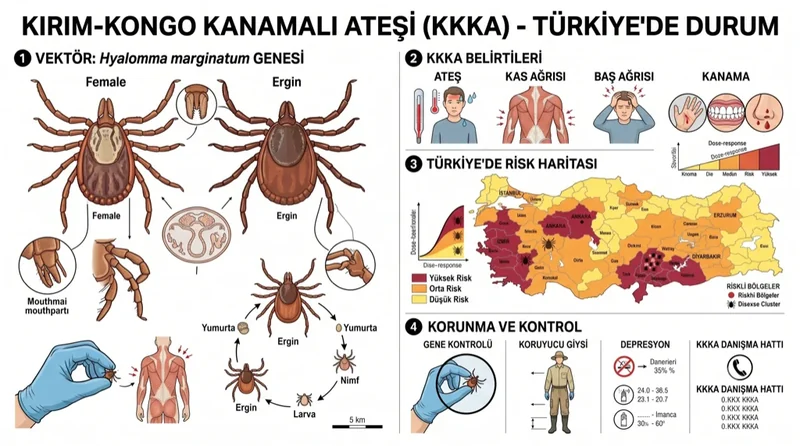
Medical cover image showing CCHF Crimean-Congo symptoms, Hyalomma marginatum and a Türkiye risk map together

CCHF: Crimean-Congo Symptoms and Emergency Triage Guide

When it comes to CCHF Crimean-Congo symptoms, the game turns into one about delay. In the Tick: Biology, Life Cycle and Health Perspective article we covered the vector side; in What to Do After a Tick Bite? An Evidence-Based Guide we covered first response. This page has a single job: to make clear the stages of the disease, the risk areas in Türkiye and the threshold for calling your country’s emergency number. ...

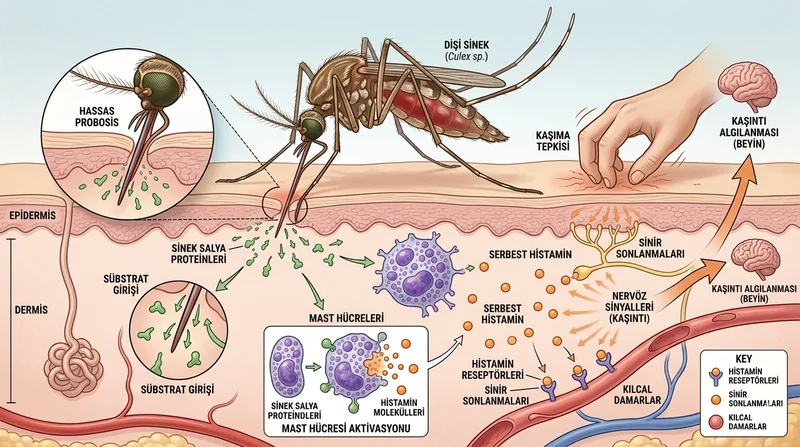
Medical education cover image explaining the histamine chain behind itching after a mosquito bite

Why Do Mosquito Bites Itch? The Histamine Chain

Why do mosquito bites itch? The short answer is clear: proteins in the female mosquito’s saliva enter the skin, mast cells treat this as a foreign signal, release histamine, and the itching starts. For the general framework, see the Mosquito: Biology, Species and Health Information article, and for the broader question of target selection, see the Why Do Mosquitoes Bite Some People More? The ETM Complex page. This text is general information; if there is shortness of breath, swelling of the lips or tongue, rapidly spreading redness or fainting, emergency help is needed. ...

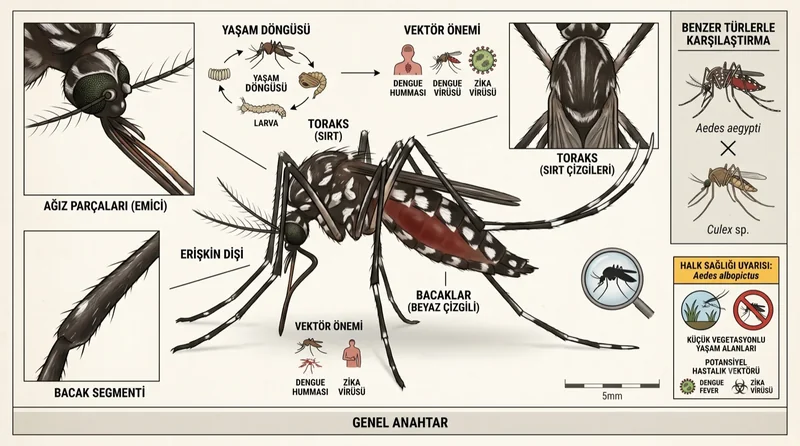
Asian tiger mosquito — black-and-white striped body and legs

Asian Tiger Mosquito (Aedes albopictus): Spread in Türkiye, Identification and Protection

The Asian tiger mosquito is a species that looks small for Türkiye but has to be taken seriously. If you want to read the general framework, first look at the article Mosquito: Biology, Species and Health Information; here we open up the Aedes albopictus side of the matter directly. What makes this species noteworthy is both that it is easy to recognize and that it is monitored separately in terms of health surveillance. Its appearance in Türkiye is not read like that of an ordinary summer mosquito. ...

Cockroach allergen and asthma triggers in a child's room

How Does Cockroach Allergy Trigger Asthma in Children?

Cockroach allergy in a child is not an ordinary runny nose; the species structure we described in the Cockroach: Species, Biology and Relationship with Humans article combines here with airway sensitivity. The trio of moisture, warmth and food in the Why do cockroaches come indoors? article turns into an allergen load this time. The proteins that remain inside the home make an asthma attack, especially in a child, anything but a minor matter. ...

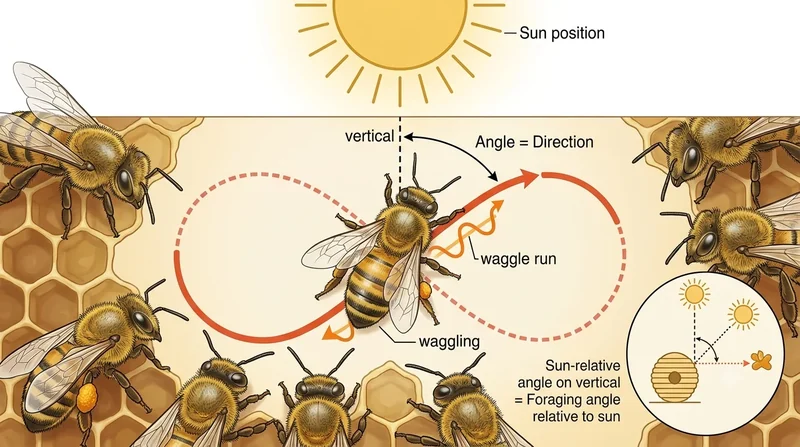
A honey bee performing the figure-8 waggle dance on the comb — carrying direction and distance information about a food source to the colony

The Honey Bee Dance Language: Karl von Frisch and the Figure-8 Waggle Dance

The honey bee dance language is a bee giving the colony location and quality information about a source it has found. Its best-known form is the waggle dance, that is, the figure-8 dance. Here the bee doesn’t just waggle; it encodes direction, distance and the strength of the source. This article should be thought of as a subtopic connected to section 5 of our main Honey Bee article. The short answer is this: the honey bee turns the information of the individual that found food into collective intelligence. This behavior is one of the most advanced examples of symbolic communication in the insect world. For the colony behavior section of the Honey Bee article, this topic is a key piece in understanding colony logic. ...

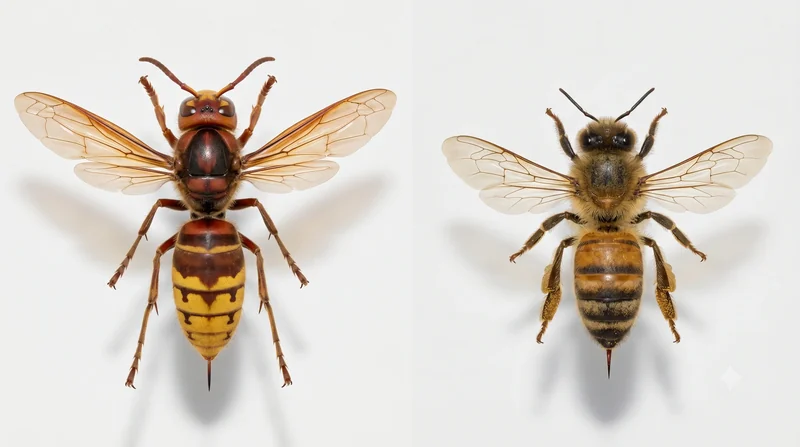
Wasp and honey bee side-by-side comparison

Wasp vs Honey Bee: How to Tell Them Apart in 5 Seconds?

The wasp is large, shiny and almost hairless; the honey bee is small, round and hairy. The way to tell them apart at a single glance from a distance is to look at the hair: the honey bee looks velvety, the wasp looks polished. The real difference, though, is not in appearance. A honey bee can sting you once and usually pays for it with its life; a wasp pulls its stinger back and stings again and again. That is why confusing the two also means making the wrong decision about approaching. In other words, in the field the first difference is visible to the eye, while the second becomes clear when you make the mistake of getting too close. The right attitude is not curiosity but keeping your distance. In this article we separate the differences between the wasp and the honey bee in a practical, clear way, without creating panic. ...

First response after a tick bite — correct removal with fine-tipped tweezers and 14 days of monitoring

What to Do After a Tick Bite? An Evidence-Based Guide

The first thing to do after a tick bite is to stay calm. Don’t panic, don’t crush the tick (critical for CCHF — the virus in tick secretions increases the risk of transmission into the blood), and don’t apply alcohol, oil, petroleum jelly or heat to it. If you have fine-tipped tweezers, grasp the tick at the point closest to the skin and pull it straight up with steady, even pressure; don’t bend, twist or jerk it. Once it is out, clean the area with soap and water, then wash your hands. Then, for 14 days, watch for fever, rash, weakness, headache, muscle pain and signs of bleeding. Important — the CCHF vs Lyme incubation difference: for CCHF (Crimean-Congo hemorrhagic fever), the incubation period is 1-9 days (usually 1-3) via a tick bite, and 5-13 days via contact with blood/body fluids. For Lyme disease, this period is 3-30 days (usually 7-14). So if no fever appears in the first 9 days after the bite, CCHF risk is most likely ruled out; but follow-up for up to 30 days is needed for the erythema migrans rash. This article is not medical advice; but the evidence-based field rule is: remove it correctly, clean, monitor, and see a doctor when in doubt. For details, the Tick: Biology, Life Cycle and Health Perspective page is the main reference. ...

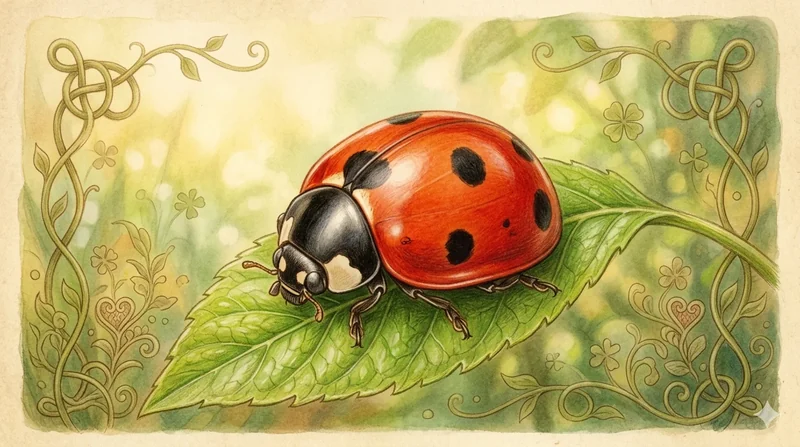
A ladybug on a leaf

Why Are Ladybugs Considered Lucky? Folklore and Science

The ladybug is an insect that is underestimated because of its small body, yet it does heavy work both in the garden and in culture. People made it a symbol of “luck” because they first saw its benefit and then loaded meaning onto it. On one side there is its role as a natural predator that reduces aphid pressure; on the other there is a folkloric story of luck stretching from Europe to Anatolia. When these two lines came together, a familiar symbol emerged. The basic definition in The Ladybug: Between Science and Folklore is expanded with folklore and science in this sub-article. The short answer is this: the ladybug is considered lucky because it does work; and people love what is useful. ...

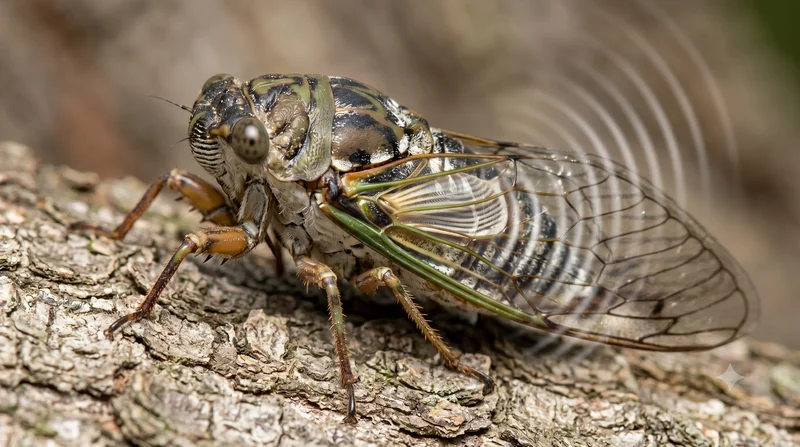
A cicada singing

Why Do Cicadas Sing Constantly? The Sound Mechanism

Why does the cicada sing constantly? The short answer is this: the male individual produces a click-click sound by rapidly contracting and relaxing the tymbal organ on the sides of its abdomen; the abdominal cavity then amplifies this sound. What sounds to the ear like a continuous buzz is actually the sum of mechanical pulses repeated hundreds of times per second. The main purpose of this sound is the mating call. So it is not random noise but a biological message. For the wider framework, see the main article: Cicada: Sound, Nature and Life Cycle. ...

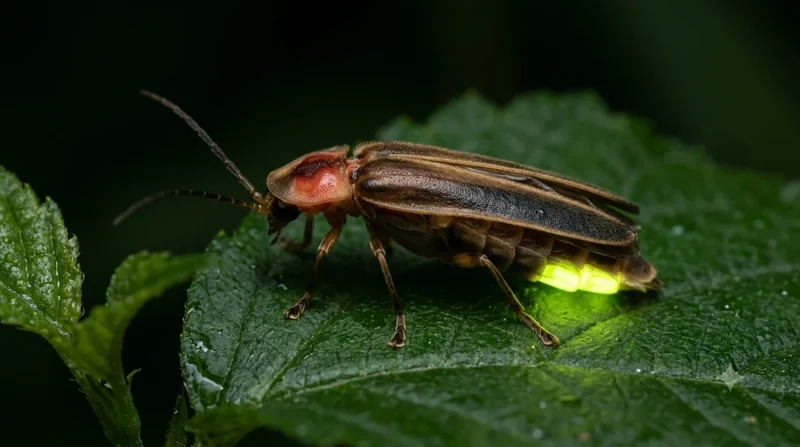
Green glow on a firefly's abdomen

Why Do Fireflies Glow? The Secret of Bioluminescence

Why do fireflies glow? The short answer is this: the photophore organ in the abdomen controls the reaction between luciferin and luciferase; when ATP and oxygen come into play, cold light is produced. This light is not a random flash but a signal used for communication within the species. In other words, the light is lit not to attract the attention of some other creature but directly to find the right mate. If you want detail, the main framework is in the main article: Firefly: Bioluminescence and Ecology. ...

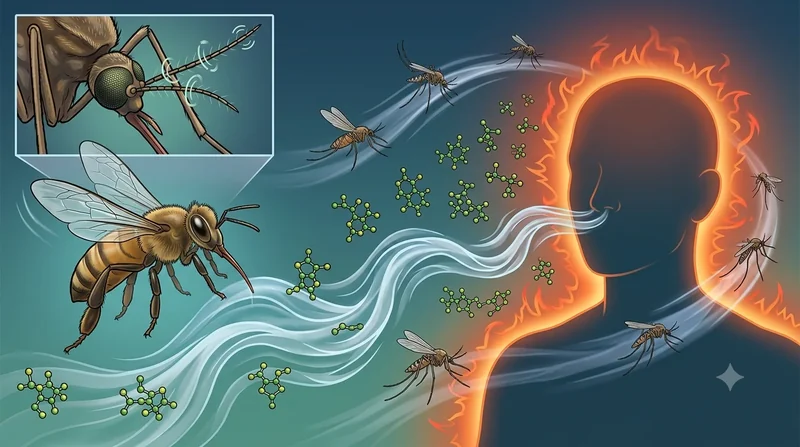
Mosquito biting preference — CO2 and sweat chemistry

Why Do Mosquitoes Bite Some People More? The ETM Complex

Why do mosquitoes bite some people more? The short answer is clear: female mosquitoes do not choose at random. They read CO2, body heat, sweat chemistry and micro-cues on the skin surface together. Because these cues vary from person to person, one person can appear “more attractive.” Some studies also add blood type 0 (O), pregnancy and certain microbiota patterns to this picture. In other words, the issue is not a single cause; it is the sum of more than one signal. For the general framework, you can go back to the Mosquito: Biology, Species and Health Information article. ...