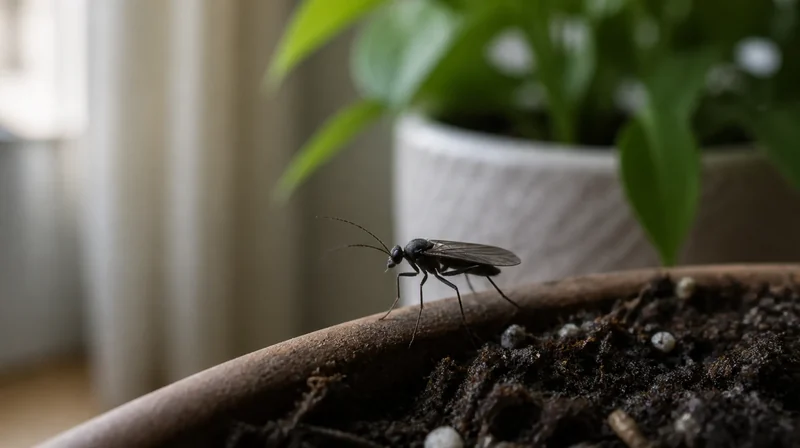
A fungus gnat (Sciaridae) in the house: a small dark-colored fly seen on damp potting soil

Fungus Gnats in the House: The Little Flies in Your Pots

If you are seeing fungus gnats in the house, the first place to look is not the fruit bowl but the potting soil. These small, dark-colored flies mostly hang around damp growing mix. For lasting control, as with an ant problem in the house, catching only the flying adults is not enough; you also need to reduce the breeding conditions. Adjust watering to the plant’s needs, don’t leave water in the pot saucer and watch new plants for a while. ...

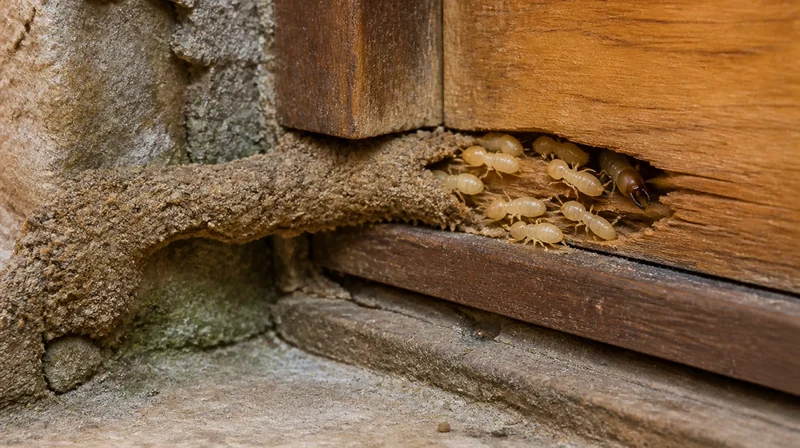
Close-up of door threshold wood and a subterranean termite mud tube at the base of a wall in a suspected termite case at home

Termites in the House: Signs and Safe Control

When you suspect termites in the house, the first job is not to spray the insect you see but to record the traces. If you see a thin tube made of mud at the base of a wall, wood that has been hollowed out, or wings shed along a window sill, the entry point and the damage should be investigated. Not every hole in wood is a termite; termites are easily confused with the ant, especially winged individuals. Fix the source of moisture and ask for an expert inspection without interfering with load-bearing wood. The colony may remain inside the wall or the soil. ...

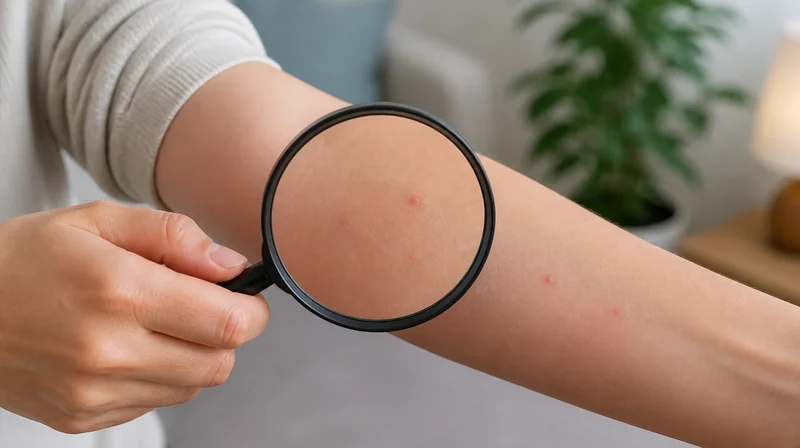
Different raised bumps on the skin of an arm and a skin check with a magnifying glass, for identifying insect bites

Identifying Insect Bites: What Can the Marks Tell You?

Medical notice. This article is for general information only and is not a substitute for medical advice. If you have symptoms such as a severe reaction, a widespread rash, fever or shortness of breath, contact a healthcare provider. In an emergency, call your country's emergency number. When identifying an insect bite, looking at the shape of a single bump and naming the exact species is not reliable. Different creatures such as mosquitoes, fleas and bed bugs can cause itchy redness; some skin problems can also look similar. More useful clues are where the mark appeared, when it was noticed, whether there are signs of insects in the surroundings and whether the person has any other complaints. As when examining the signs of fleas in the house, you also need to observe the surroundings; but a mark on its own is not a diagnosis. ...

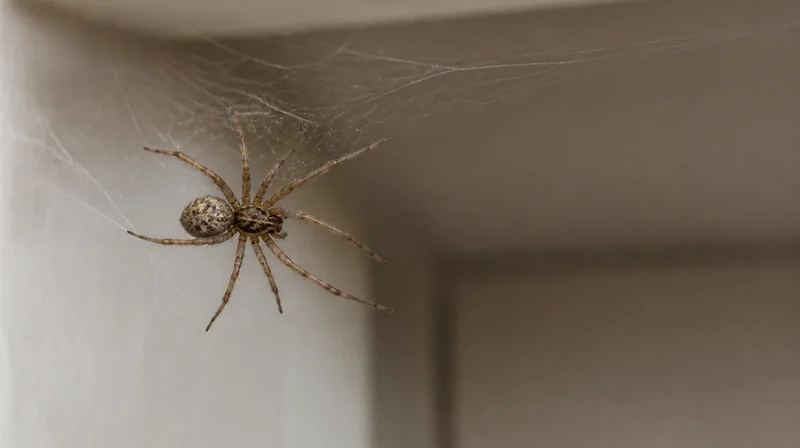
Spider in the house: an eight-legged spider sitting in its web in a wall corner, Araneae

Spiders in the House: Why Are They There, Are They Harmful?

When you see a spider in the house, the first question is usually “Is it harmful?” Most spiders stay away from people and hunt small arthropods in the home; still, it is not right to pin down the species and the health risk just by looking at a photo. Don’t touch the spider with bare hands. If there are a few webs or repeated sightings, first check entry gaps, cluttered hiding places and other small insects in the home. In this article, you will start with the basic ways of identifying insects in the house and find the steps for managing a spider problem calmly and safely. ...

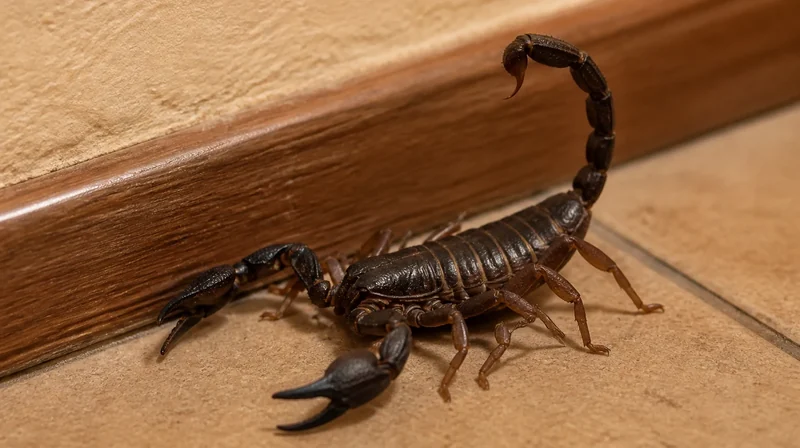
Scorpion in the house: a scorpion seen along a wall, representing the order Scorpiones with its eight legs and curved tail

Scorpions in the House: Why Do They Appear, How to Prevent Them?

If you’ve seen a scorpion in the house, first don’t approach it; don’t try to catch or crush it with your bare hands. Scorpions, like spiders, belong to the class Arachnida and are recognized by their eight walking legs, their pincer-bearing pedipalps and the stinger at the tip of the tail. Seeing a single scorpion does not prove that there is a nest inside the house; but it is a good signal to check under doors, plumbing penetrations and hiding places around the house. In Türkiye, scorpion species and sting risk can vary by region. If you can’t identify the species with confidence, not handling it and preventing risky contact is the best start. To recognize another eight-legged arthropod that is not a scorpion, you can also look at the tick guide. ...

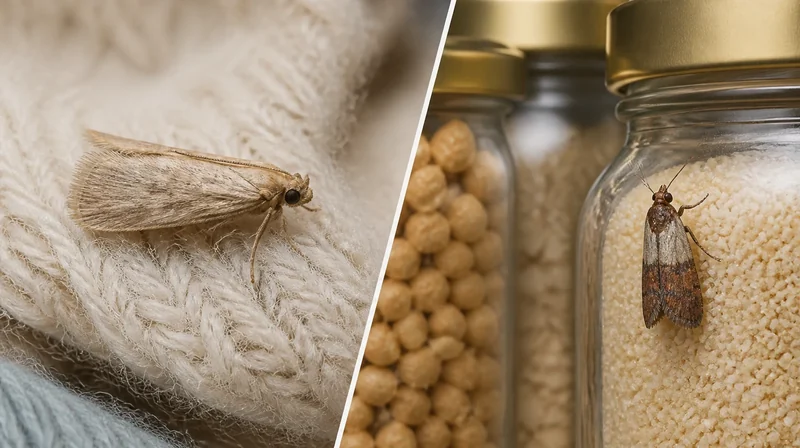
Small Lepidoptera species seen around the wardrobe, pantry and dry food in a household moth problem

Moths in the House: Signs, Sources and Control

“Moths in the house” is used as if it were the name of a single insect; but indoors there are two separate lines of problems: the clothes moth and the pantry moth. The short answer is this: killing the small flying moth is not enough; you need to find the source and remove it. In this respect, controlling moths in the house is, like fleas in the house, a matter of breaking the life cycle; like bed bugs, it requires tracking hidden cracks, but it does not show blood-feeding behavior. ...

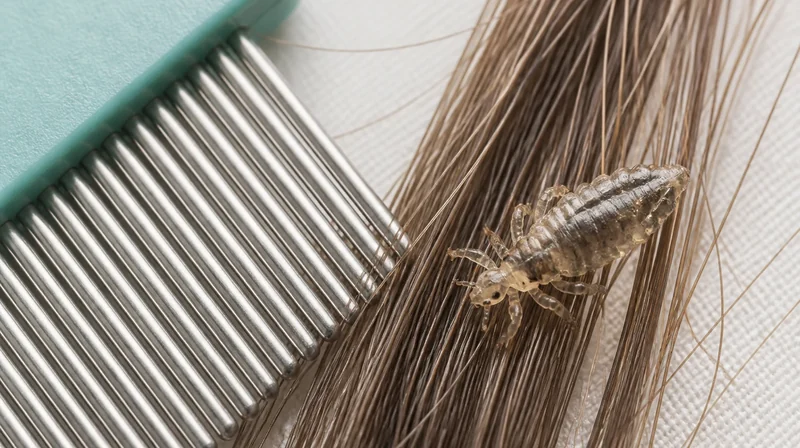
Pediculus humanus capitis on a strand of hair and a fine-toothed lice comb, for a lice problem in the house

Lice in the House: Symptoms, Spread and Cleaning Plan

Lice in the house should not be thought of as an ordinary household insect that comes out of the wall or breeds in the carpet. The short answer is this: when lice are suspected in the house, the main goal is not spraying the rooms, but finding live head lice in the hair or nits stuck to the hair, checking contacts on the same day, and managing close belongings such as the comb, hat and pillowcase that were used. Bites and itching can be confused with other species; that’s why you need to tell them apart from creatures such as bed bugs, fleas in the house and ticks. ...

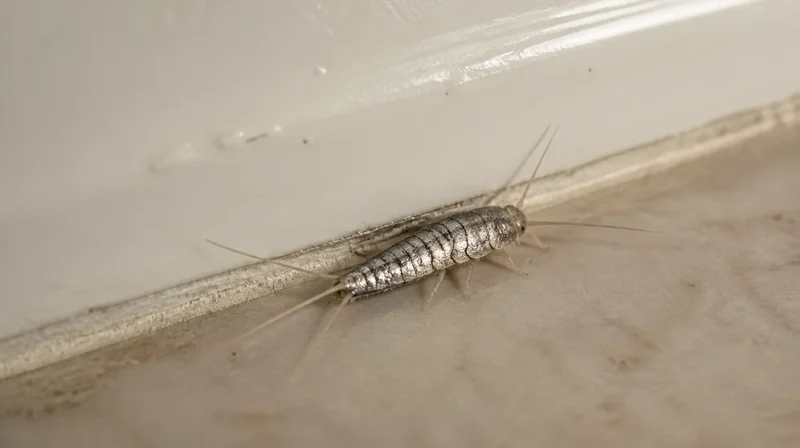
A silverfish (Lepisma saccharina) in the house: a silver-colored wingless insect next to a bathroom baseboard

Silverfish in the House: Why Do They Appear?

Silverfish in the house usually do not mean the house is dirty; they show that moisture, dark cracks and starchy sources such as paper and cardboard have gathered along the same line. The short answer is this: don’t confuse this animal with a blood-feeding bed pest like bed bugs or a species that jumps and bites like fleas in the house. The silverfish is not an insect that targets people; the real issue is that a suitable hiding and feeding area for it persists in the home. ...

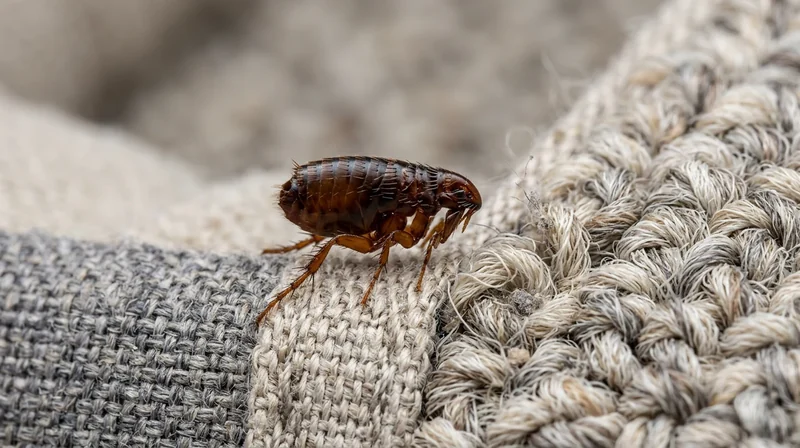
A flea in the house (Ctenocephalides felis): a small jumping insect seen among carpet fibers and around a pet bed

Fleas in the House: Signs, Sources and Control

Fleas in the house are usually not a single jumping insect but a small cycle that spreads along the line of pets, carpets, sofas, beds and baseboards. The short answer is this: seeing an itchy mark on your leg is not a diagnosis on its own; you need to tell fleas apart from a species that hides in bed cracks like bed bugs and from an animal that attaches to the skin like a tick. For the logic of cutting off sources inside the home, the how to get rid of cockroaches guide shows the same principle: you target not the visible individual but the conditions it lives in. ...

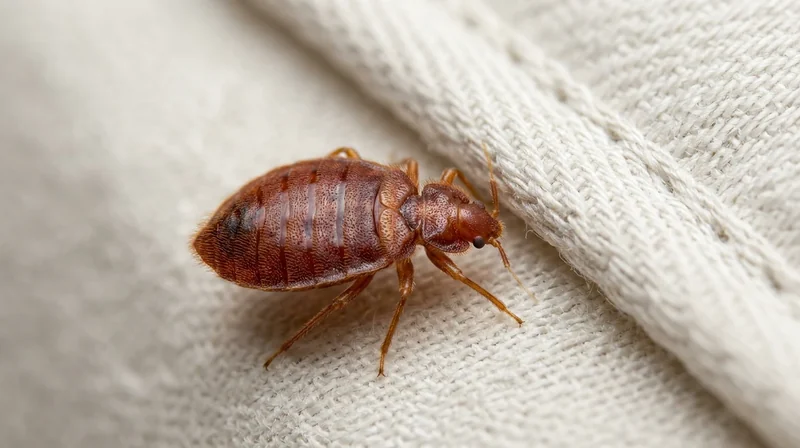
A bed bug (Cimex lectularius): a flat brown household insect hiding at the edge of a bed

Bed Bugs: Signs, Life Cycle and Control

Medical notice. This article is for general information only and is not a substitute for medical advice. If you have symptoms such as a severe reaction, a widespread rash, fever or shortness of breath, contact a healthcare provider. In an emergency, call your country's emergency number. The bed bug is a household insect that feeds on human blood, is active at night and hides during the day in narrow spaces such as the mattress seam, cracks in the bed base and the back of the headboard. The short answer is this: seeing an itchy mark on the bed is not a diagnosis on its own; unlike a pest that wanders out in the open during the day such as the cockroach, the bed bug is usually caught by its traces. To understand the logic of insect control inside the home, the source-cutting approach in the how to get rid of cockroaches guide is useful here too; in addition, the what is an insect article explains the language of classification, and the cockroach allergy in children article explains why the health risk of different household pests needs to be handled species by species. With bed bugs, however, the area around the bed, the transport line and heat treatment come first. ...
A summer evening scene where insect sounds mix among trees, meadow and streaks of light

Summer Insect Chorus Guide: Which Sound Belongs to Whom?

This guide sits on top of the backbone formed by Cicada, Why Do Cicadas Sing Constantly?, Firefly and Honey Bee. Not everything you hear on the same summer evening is a cicada. You’ll read first the time, then the place, and then the mechanism. Looked at this way, summer insect sounds come across not as a jumble but in layers. First, separate the signs The biggest mistake in this is pinning a single sound on a single species. So when you go out into the field, don’t break the order: ...

Biological control and beneficial insects in the garden

Garden Biological Control Guide: Ladybugs, Dragonflies and Parasitoid Wasps

Biological control in the garden brings down to a single plane the network you have seen separately in the Ladybug, Ant and Honey Bee articles: it is not about poisoning the pest but about keeping the chain of predators, parasitoids and pollination standing. The short verdict is this: first protect the creatures that lower the pressure, then adjust the habitat. This article gathers the field practices for the focus keyword “biological pest control garden”. ...