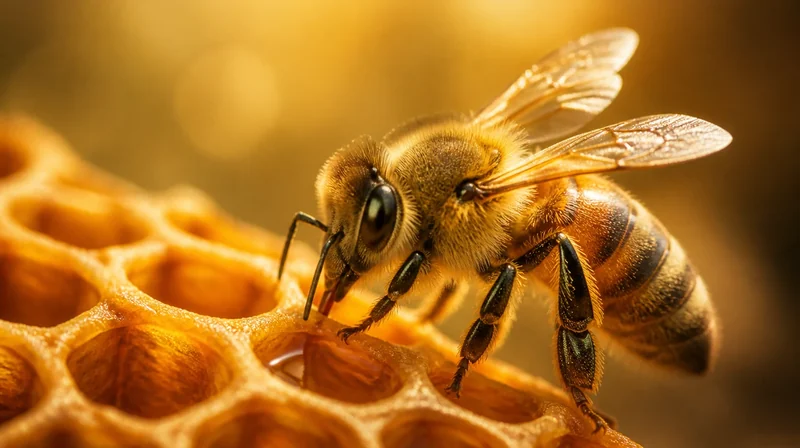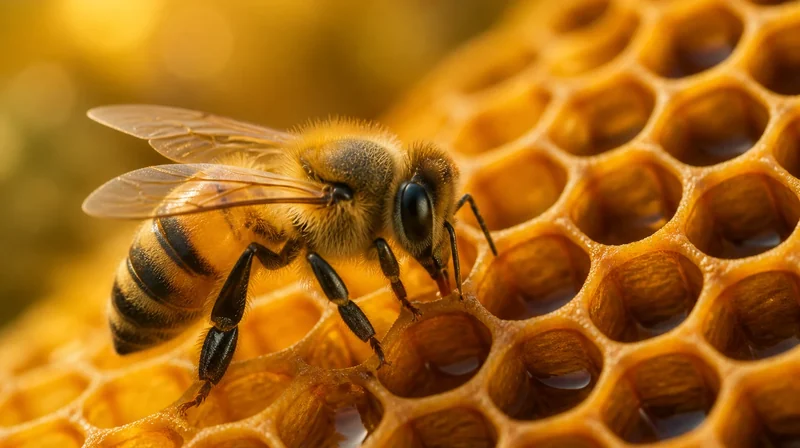
A honey bee colony and the queen, worker and drone bees in the colony

Why Do Bees Swarm? How Does a Honey Bee Colony Split?

A honey bee swarms when the colony is going to reproduce and found a new nest: the old queen leaves the hive with part of the workers, while the remaining colony raises a new queen. The surprising part is that the cluster of bees hanging in a tree is usually a temporary stop; while scout workers look for a new nest, the colony waits, holding on to one another. For the colony’s general organization, you can take a look at the honey bee guide. ...
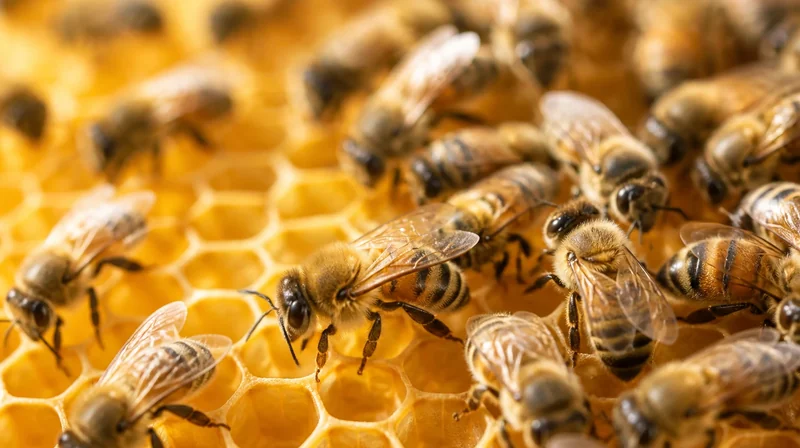
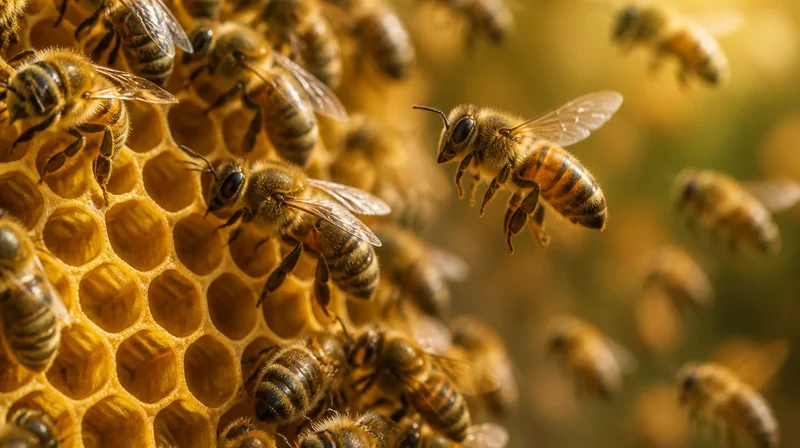
Differences in the roles of the queen, workers and drones in a honey bee colony

How Does a Queen Bee Develop, and What Is Her Role?

A queen bee develops when a young female larva is raised as a queen by the colony; her main role in the hive is to lay eggs. But the queen is not just a big bee: her development is set up by the worker bees, her pheromones affect the colony’s behavior and her appearance changes depending on whether she has mated. So how does an ordinary female larva turn into a queen, what exactly is her job in the hive and how do you tell her apart from the workers? The honey bee’s colony organization and communication gives the general framework of this division of labor. ...

Workers in a honey bee colony turning nectar into honey in the comb

How Do Honey Bees Make Honey? From Nectar to Comb

A honey bee makes honey by transforming flower nectar with enzymes and reducing the water in it; it stores the ripened honey in comb cells and caps it with beeswax. The surprising part is that this transformation is not the work of a single bee, but a shared process that the workers in the hive carry out in turn. You can see the division of labor inside the colony in the general guide to the honey bee. ...

Lifespans of queen, worker and drone bees in a honey bee colony, varying with their tasks

How Long Do Honey Bees Live? Worker, Drone and Queen

A honey bee’s lifespan depends on its task: a summer worker lives about 15–38 days, a winter worker 150–200 days, a drone mostly a few weeks, and the queen an average of 1–2 years. What is really surprising is that, because of season and task, the lifespans of individuals in the same hive can stretch from weeks to years. In this article we compare the lifespans of the worker, the drone and the queen separately. To see the structure of the colony in a broader frame, you can also look at the honey bee guide. ...
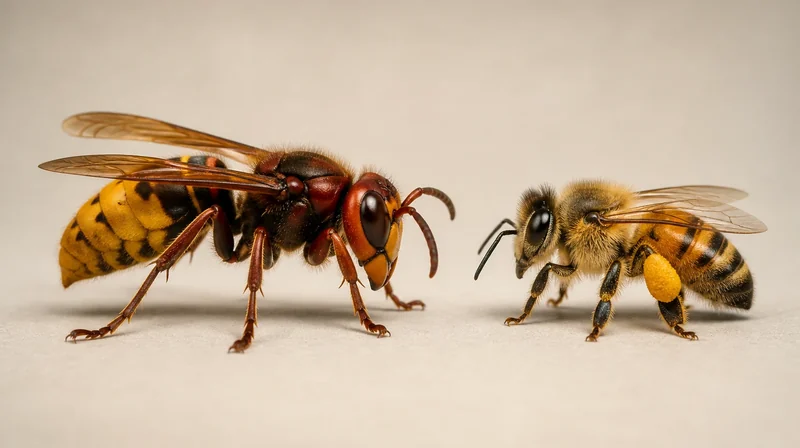
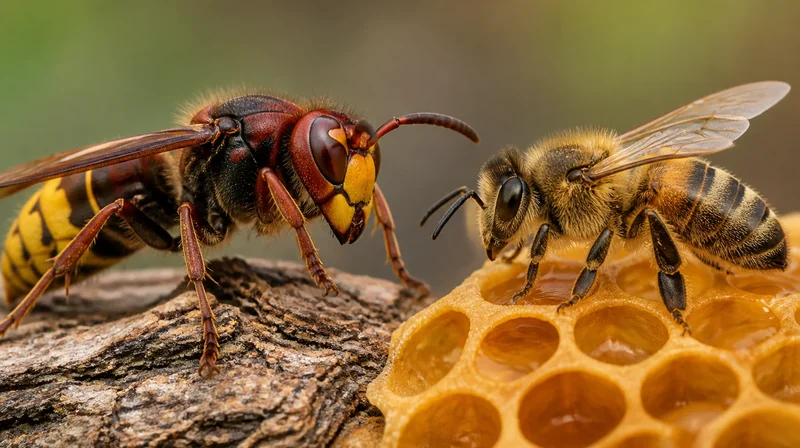
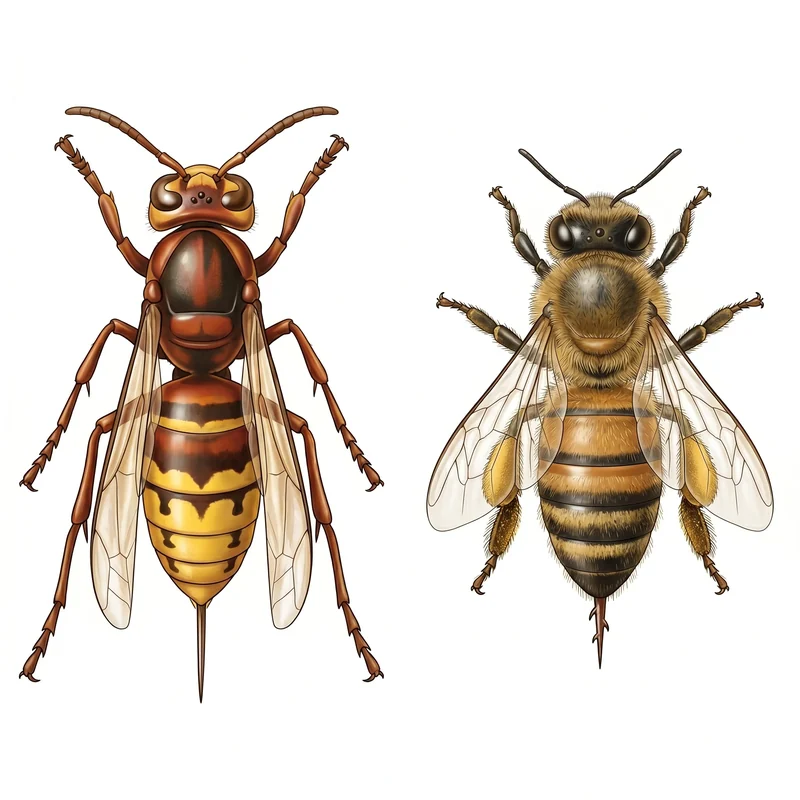
An image comparing the appearance of a wasp and a honey bee

Why Do Bees Sting? The Difference Between Wasps and Honey Bees

The basic reason for a bee sting is defense; the wasp and the honey bee do it with different stinger structures. A wasp can usually pull out its stinger and use it again, while the honey bee’s barbed stinger can get stuck in human skin. The details of the behavior vary by species; the life and behavior of wasps and the colony organization of the honey bee help in understanding this difference. ...

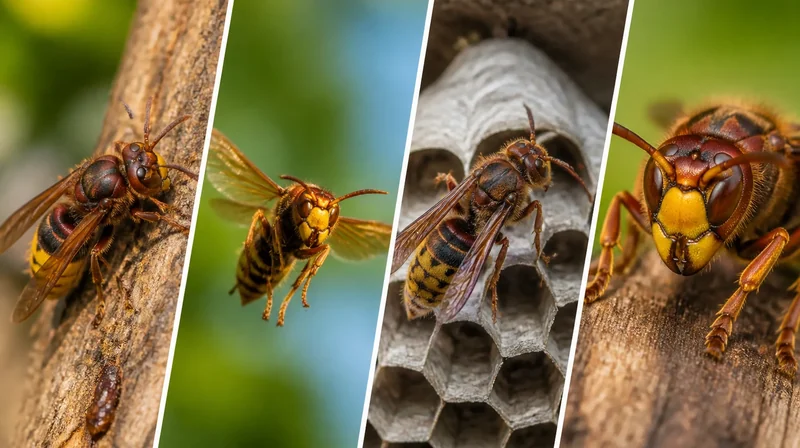
Scientific image showing the life stages of the wasp and the nest cycle

How Long Do Wasps Live? What Happens in Winter?

A wasp’s lifespan varies with its role: workers mostly live for a single active season, while mated new queens can get through the winter and found a colony the following year. The really surprising part is that those that survive the winter are not the whole colony waiting in the old nest but mostly the new queens. Since “wasp” is used for different Vespidae species, the durations vary with the species and the climate; the cycle below is the general pattern of social species in temperate regions. To get to know the species and nests in Türkiye, you can take a look at the wasp guide. ...

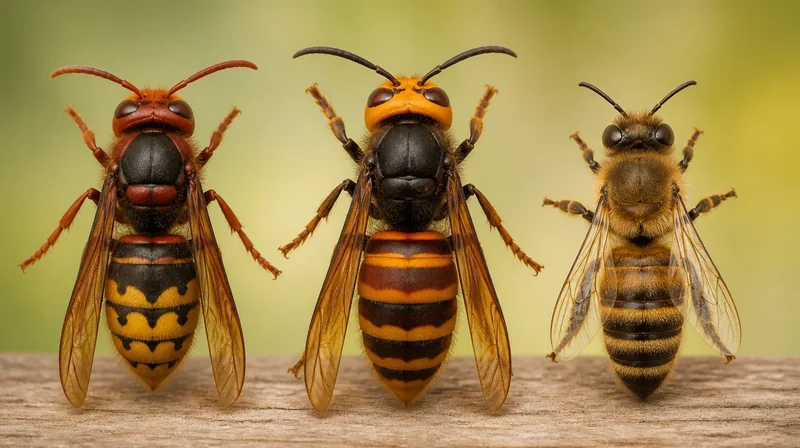
Scientific image comparing a wasp with a honey bee

What Repels Wasps? What Do They Dislike?

What keeps wasps away most reliably is not leaving food and garbage out in the open; no single smell or homemade mixture is a sure repellent. The really important distinction is this: moving a foraging worker away from the table is one thing, dealing with a wasp near a nest is an entirely different risk. For the feeding behavior of wasps and why they come to meat, see the guide to what wasps eat. ...

Scientific image comparing a wasp with a honey bee

What Do Wasps Eat? Do They Eat Honey Bees and Meat?

Wasps both feed on sugary liquids and mostly carry the insects they hunt to their larvae; their coming to meat is related to this protein need. The surprising detail is this: the adult worker and the larva in the nest don’t consume the same food in the same way. For the nest and behavior traits of the species found in Türkiye, see the wasp guide. What do wasps eat? Adult wasps get energy from sugary liquids such as nectar, ripe fruit juice, plant sap and the honeydew secreted by aphids. Larvae, on the other hand, need protein-rich food to develop. Workers catch caterpillars, flies and other small arthropods, cut them up and bring them to the nest. The University of Maryland extension service explains that adults take liquid and sugary foods, while the young receive the prey brought by the workers. ...

Scientific image explaining the question of whether wasps make honey, showing the difference between a wasp and a honey bee

Do Wasps Make Honey? Can Their Honey Be Eaten?

No, the wasps commonly encountered in Türkiye do not make honey and store it in the nest. The really surprising point is that a few tropical wasps can store nectar and honeydew; this exception does not mean that the comb-like structure in every wasp nest is full of honey. For the species in Türkiye and their nesting behavior, you can also read the main wasp guide. Why don’t wasps make honey? “Making honey” here is not the same as collecting flower nectar. Wasps can also take sugary liquid from flowers; adults use sources such as nectar and ripe fruit for flight energy. But in common social species, the behavior of storing nectar in the nest for a long time and maturing it as colony food, as honey bees do, is not seen. The colony works differently: workers mostly hunt other insects to provide protein for the larvae, while adults consume sugary food. For details, you can look at the wasp feeding and hunting behavior page. ...

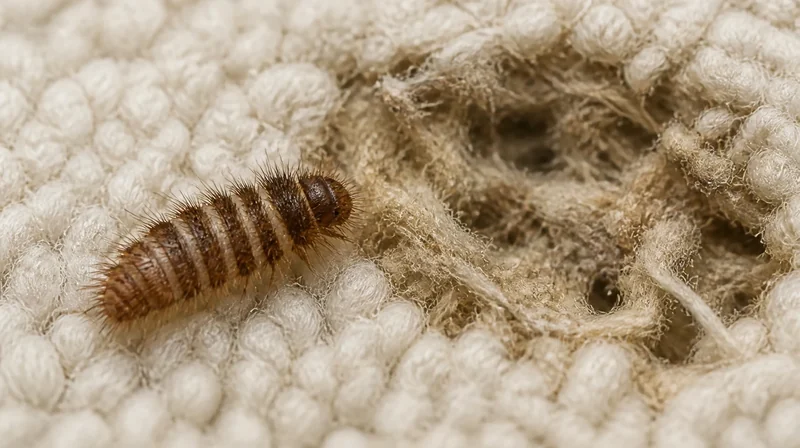
Carpet beetle (Dermestidae) larva and the irregular damage it leaves on woolen fabric

Carpet Beetle Signs and Ways to Control Them

When you suspect carpet beetles, the most meaningful sign is not a single small adult beetle; it is hairy larvae and shed larval skins seen together with recurring damage on items containing wool, fur, feathers or other animal fibers. Carpet beetles are beetles in the family Dermestidae. For the classification and basic body structure of insects, you can look at the general guide to insects. Inspect the damaged area and its surroundings systematically, clean the suitable textiles, and if the signs persist, get professional help to find the source. To avoid confusing them with the silverfish seen in the home, also look at body shape and the type of damage. ...

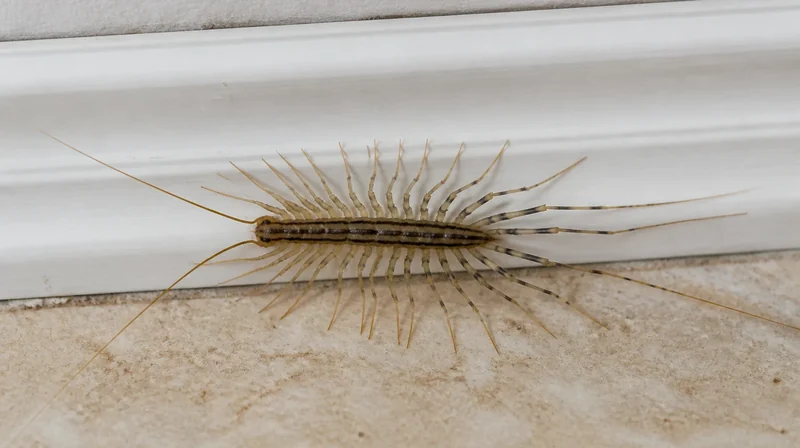
A house centipede (Scutigera coleoptrata) moving along the edge of a wall with its long striped body and very long legs

Centipedes in the House: Why They Appear and How to Prevent Them

If you have seen a centipede in the house, don’t try to catch it with your bare hands first; watch this fast-moving animal from a safe distance. The house centipede encountered in homes is mostly known as Scutigera coleoptrata: it stands out with its long antennae, striped body and very long legs. Seeing a single centipede does not prove that there is a nest inside the house or that the house is dirty. It is more accurate to assess damp areas, small prey animals and possible entry gaps together. To tell other arthropods in the house apart, you can also look at the spider guide, the silverfish guide and the scorpions in the house guide. ...

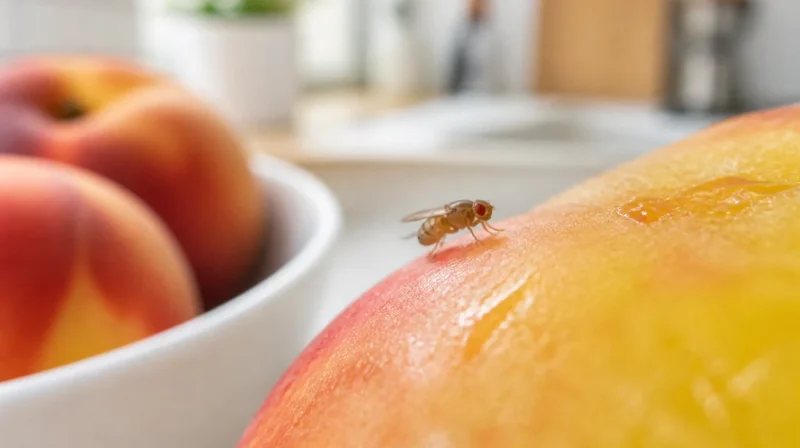
Fruit fly (Drosophila melanogaster) on ripe fruit, with its red eyes and small yellow-brown body

Fruit Fly (Drosophila melanogaster): Identification and Prevention

The small, red-eyed flies wandering around your kitchen may often be fruit flies, that is, Drosophila melanogaster. The adults are a few millimetres long; they are seen around ripe fruit, drops of fruit juice and organic residues that are starting to ferment. If a few flies keep reappearing, you need to find not just the flying adults but also the source that feeds them and lets them multiply. Knowing the difference between the house fly and the fruit fly helps you avoid misclassifying similar small flies. ...