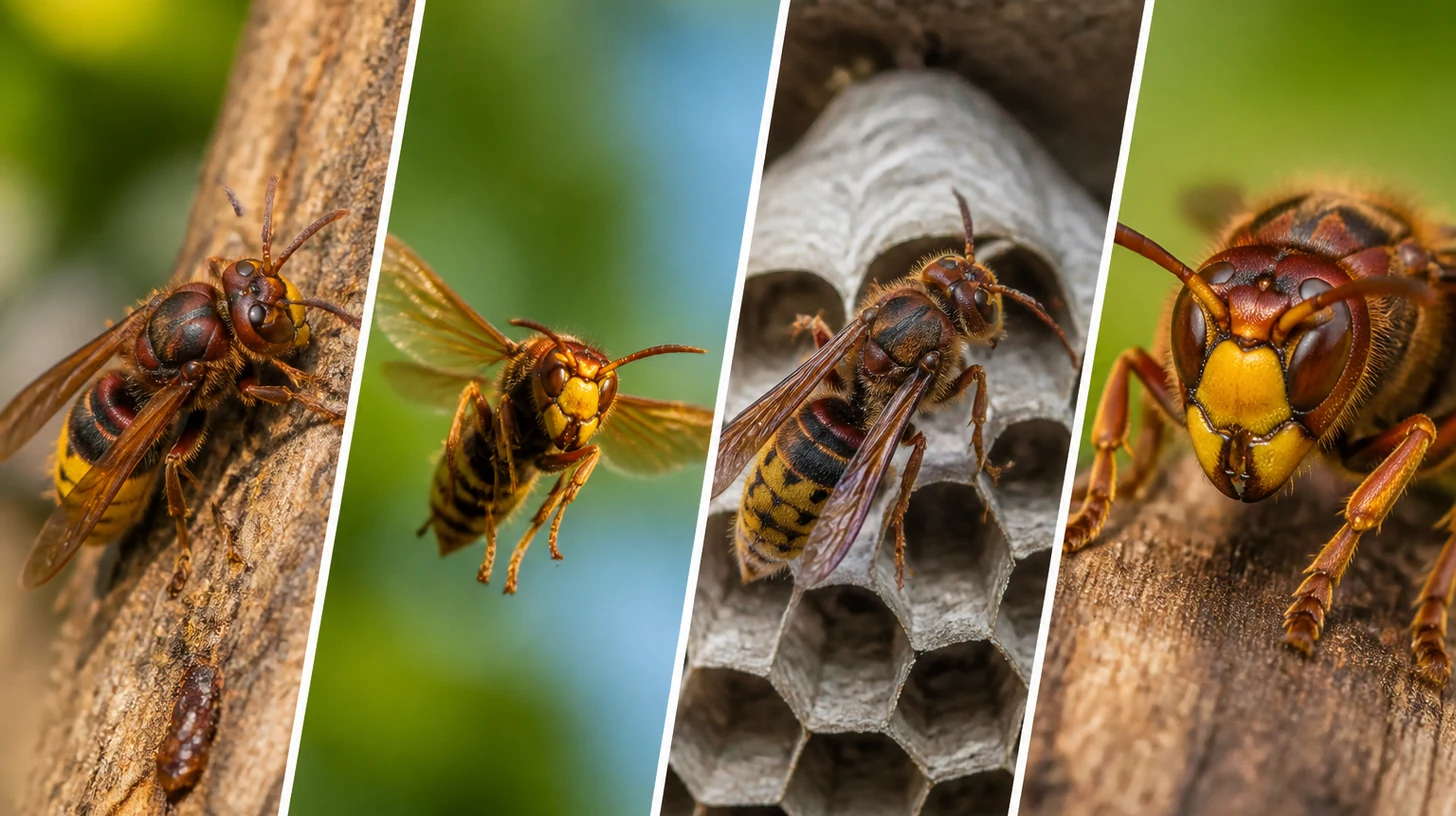
A wasp’s lifespan varies with its role: workers mostly live for a single active season, while mated new queens can get through the winter and found a colony the following year. The really surprising part is that those that survive the winter are not the whole colony waiting in the old nest but mostly the new queens. Since “wasp” is used for different Vespidae species, the durations vary with the species and the climate; the cycle below is the general pattern of social species in temperate regions. To get to know the species and nests in Türkiye, you can take a look at the wasp guide.
How long do wasps live?
Worker wasps usually live between weeks and a few months; in most annual species, the queen in the colony also produces eggs for one season. Giving a single “wasp lifespan” number would not be right: the species, whether it is a worker or a reproductive individual, and weather and food conditions affect the duration. Virginia Cooperative Extension’s guide on yellowjackets reports that the colony declines in autumn after the reproductive individuals emerge and that the workers die with the cold.
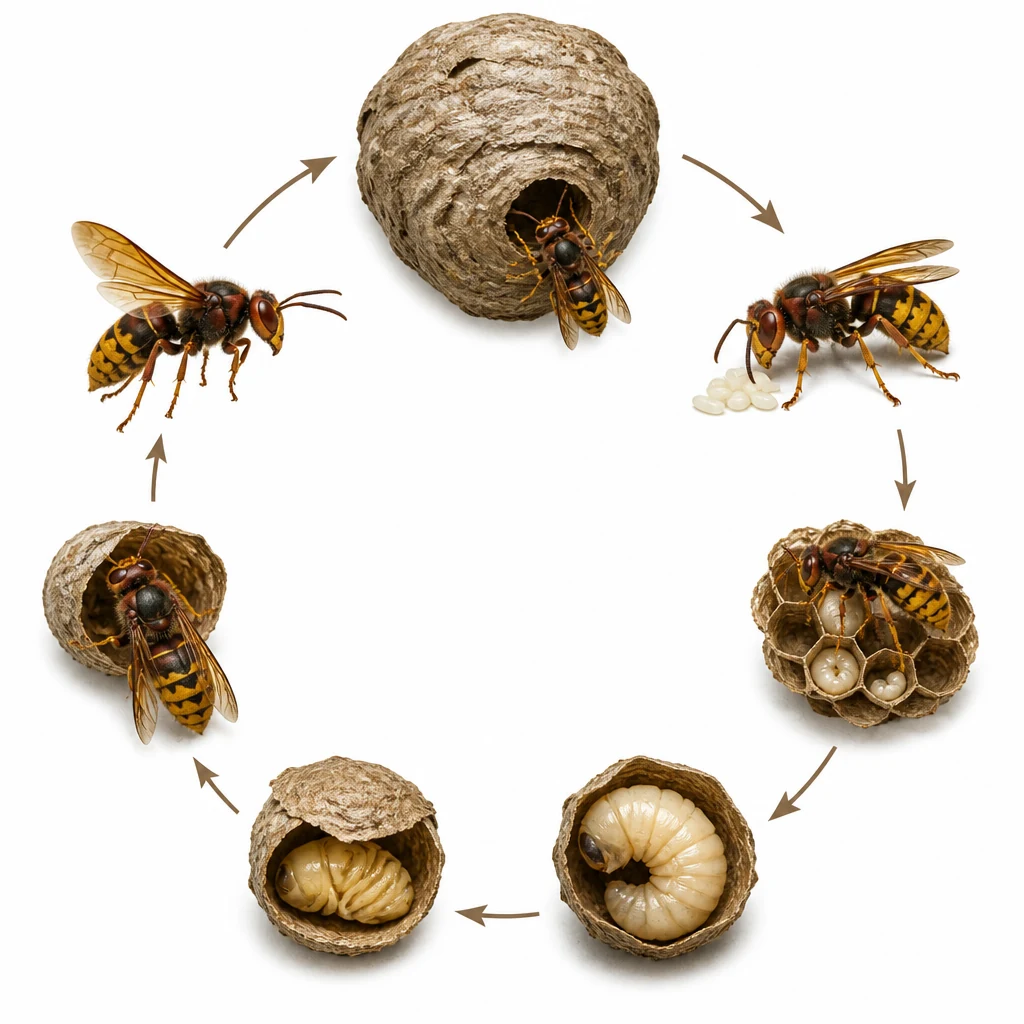
The lifespan of the colony is not the same as the lifespan of a single individual. In spring a fertilized queen founds a nest; once the first workers grow up, they take over the tasks of collecting food and caring for the brood. Throughout the summer the colony expands. At the end of the season new queens and males are produced; while the mated new queens prepare for winter, the old colony breaks up. You can also find the nest side of this cycle in the article describing the wasp’s nest and colony organization.
Do wasps die in winter?
Most of the workers and the old queen die once the cold sets in and the colony cycle ends. Mated new queens, on the other hand, spend an inactive period in a sheltered place; in spring they can wake up and build a new nest. The Virginia Tech source states that these queens can overwinter in sheltered places such as debris, rotting wood, rodent burrows or cavities in buildings.
That’s why not seeing wasps around in winter does not mean that they have all disappeared as a species. New queens get through the cold period by using their energy reserves. Sutter Yuba Mosquito and Vector Control District also reports that mated females spend the winter largely inactive in sheltered places and look for a nest site in spring. There may be exceptions in some mild or sheltered conditions; saying “every individual of the colony definitely dies” is not correct for all species and regions.
Is an old wasp nest reused in winter?
In most annual social species, the old nest is not reused the following year; the new queen starts her own nest somewhere else. The Virginia Tech guide says that abandoned nests are usually not used the next year. Still, because colonies can survive the winter in sheltered warm areas or the nest cycle can differ in some species, this general rule should not be considered free of exceptions.
If you find a nest that looks empty in winter, don’t put your hand inside it or try to pull the nest out of an enclosed cavity in a building. If you’re not sure the nest is really abandoned, observe it without approaching; if you see repeated flights inside a building, see the wasp nest and removal guide for safe intervention. A single queen getting into the house does not on its own prove that a colony has been established inside.
How long do the worker, the old queen and the new queen live?
| Individual | General life pattern | Status in winter |
|---|---|---|
| Worker | Weeks or throughout the active season; depends on the species and conditions | Mostly dies as the colony declines |
| Old queen | Founds the colony and produces eggs during the season | Usually dies at the end of the season |
| New, mated queen | Leaves the colony in autumn | Overwinters in a sheltered place; starts a new colony in spring |
| Male | Appears during the breeding period and mates | Is usually not an overwintering colony member |
The distinction in the table is not a promise of an exact duration for every species called a wasp. For example, bumblebees are also not Vespidae but a different group; their colonies and overwintering pattern should be studied separately. The articles on how wasps differ from honey bees and what wasps eat complete the related comparisons.
Conclusion: the winter is mostly survived by the new queen
In summary, a social wasp colony mostly lives for one season; while the workers and the old queen die in the cold period, mated new queens get through the winter and start the new cycle in spring. Because the duration varies with the species and the climate, giving a single lifespan number is misleading. For broader information on species, nests and behavior, you can read the main wasp guide.
Sources
- Virginia Cooperative Extension — Yellowjackets in Virginia
- Sutter Yuba Mosquito & Vector Control District — The Life Cycle of a Wasp/Yellowjacket
- Bumblebee Conservation Trust — The Bumblebee Lifecycle (only for comparative life cycle information)
- UW–Madison — Life Cycle and Biology of Bumble Bees (only for comparative life cycle information)