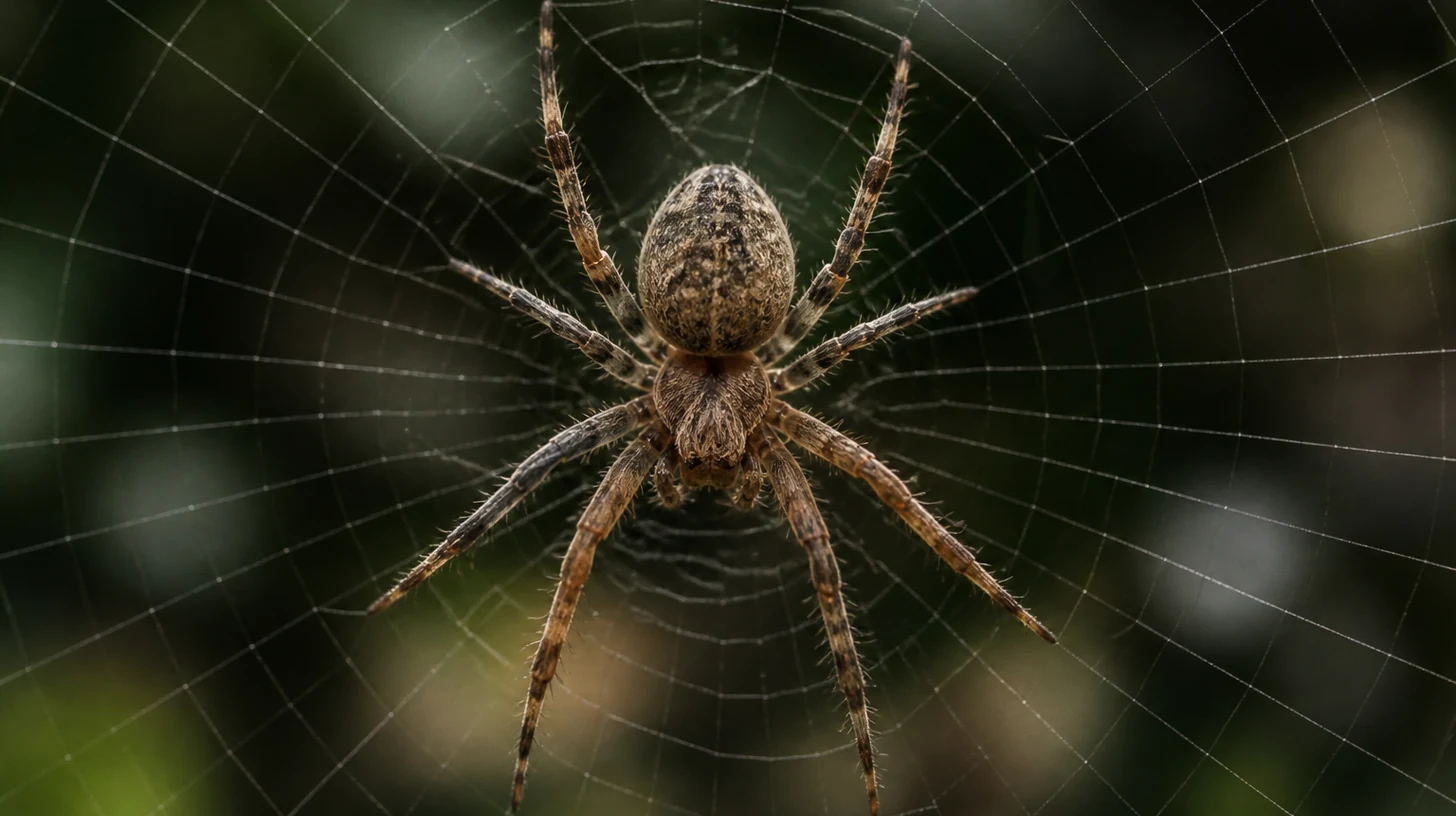
Spiders mostly live from a few months to a few years; a female spider’s egg sac, depending on the species, can contain anything from a few eggs to hundreds, and in some species more. Because “spider” covers thousands of different species, there is no single lifespan or egg count. What is truly surprising is that some females leave the sac in their web while others carry it in their jaws or at the back of their bodies. For basic clues about the species of the spider you see at home, you can look at the guide to identifying spiders in the house.
How long does a spider live?
A spider’s lifespan varies according to its species, its sex and its living conditions. Short-lived species can complete their life cycle before a year is up; the females of some house spiders can live through more than one season. That’s why a single number such as “a spider lives two years” is not a reliable answer for an animal whose species is unknown.
The natural history museum Natural History Museum’s record on house spiders states that the young can reach adulthood in about one year, that adult males die in autumn after mating, and that many females can survive into the following year. This example applies to particular house spider groups and to the British context; it cannot be generalized directly to every spider in Türkiye. For spiders as a whole, the right approach is not to give a definite age without identifying the species.
The lifespans of the female and the male may also not be the same. In some species the males live for a short time after reaching adulthood and mating, while the females can produce egg sacs for longer. In some large spider groups such as tarantulas, the lifespan of females can extend to years; these exceptional examples should not be presented as the average lifespan of ordinary house spiders.
How many eggs does a spider lay?
There is no single number. According to Britannica’s overview of spider reproduction, a female can lay anywhere from a few eggs up to about a thousand in one sac; some species, however, produce more than one sac. The number of eggs may decrease in later sacs. This wide range does not mean that every spider will produce hundreds of young: a small sac may contain few eggs, while in some species there may be several sacs over a single female’s lifetime.
| Comparison | Reported example | How should it be interpreted? |
|---|---|---|
| Number of eggs, single sac | Between a few and about 1,000 | Wide variability between species; not a value specific to each species |
| Long-legged cellar spider (Pholcus phalangioides) | 13–60 per sac; about 3 sacs in a female’s lifetime | Example given by Clemson Extension for a particular species |
| Short-bodied cellar spider | About 10–27 per sac | Values can differ even within the same family |
| Female lifespan | Months, a few years or longer in some groups | Depends on species and sex; no single average |
These data from Clemson Cooperative Extension relate to cellar spiders encountered in South Carolina. They should not be used as a direct measurement for house spiders in Türkiye. But even these two closely related examples show that there is no single “number of spider eggs”.
Where are spider eggs laid?
The eggs are generally inside a protective sac made of silk. The female may attach the sac to a part of the web, leave it in a hidden crevice or carry it with her. Clemson Extension’s page on cellar spiders describes how the females carry the sacs with their mouthparts and how the young climb onto their bodies for a short time after hatching. In other species, the female guards the sac, or the spiderlings disperse independently after leaving the sac.
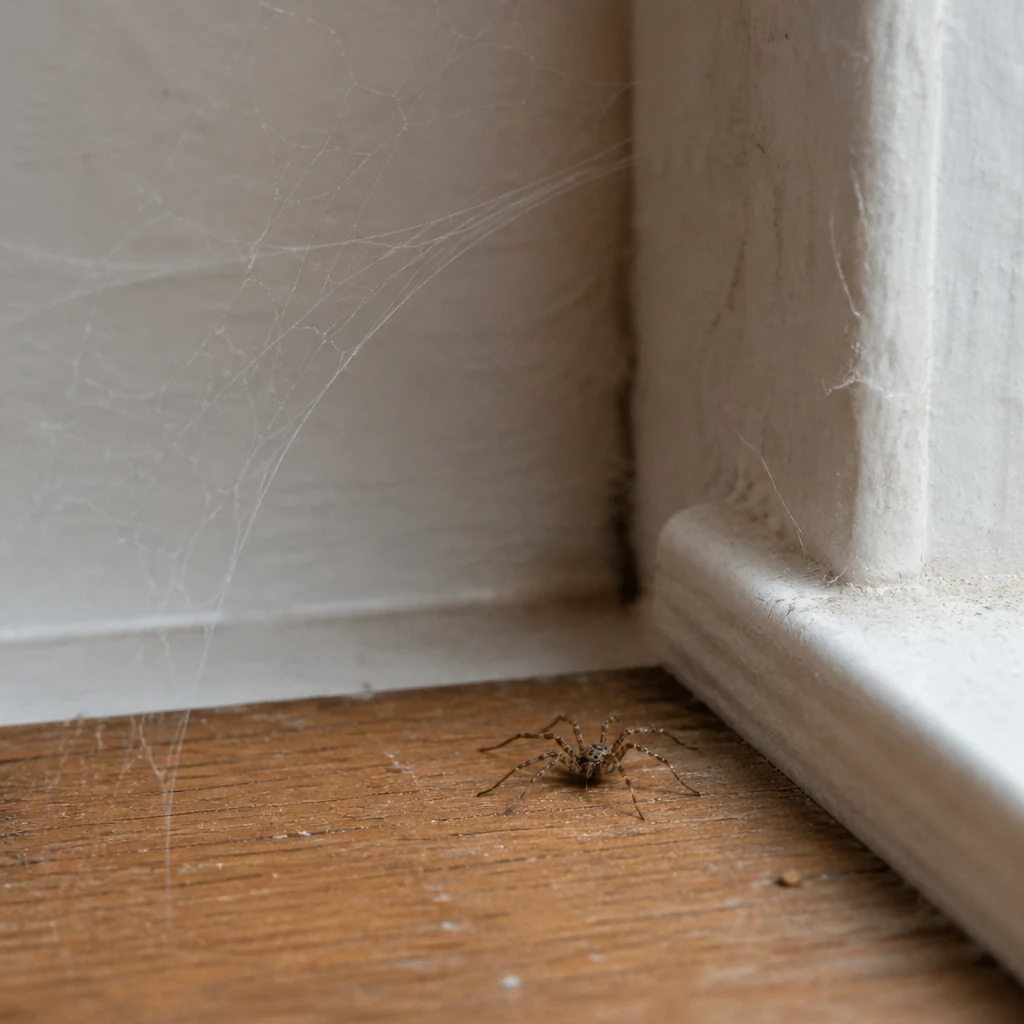
The hatching time of the eggs is not fixed either. Temperature and the developmental calendar of the species affect the duration; some young may wait in the sac for a period. Finding an egg sac does not prove that all the eggs inside will develop or that the young will survive in the house. Identifying the species from the number and appearance of sacs is also difficult.
How long do the young stay with their mother?
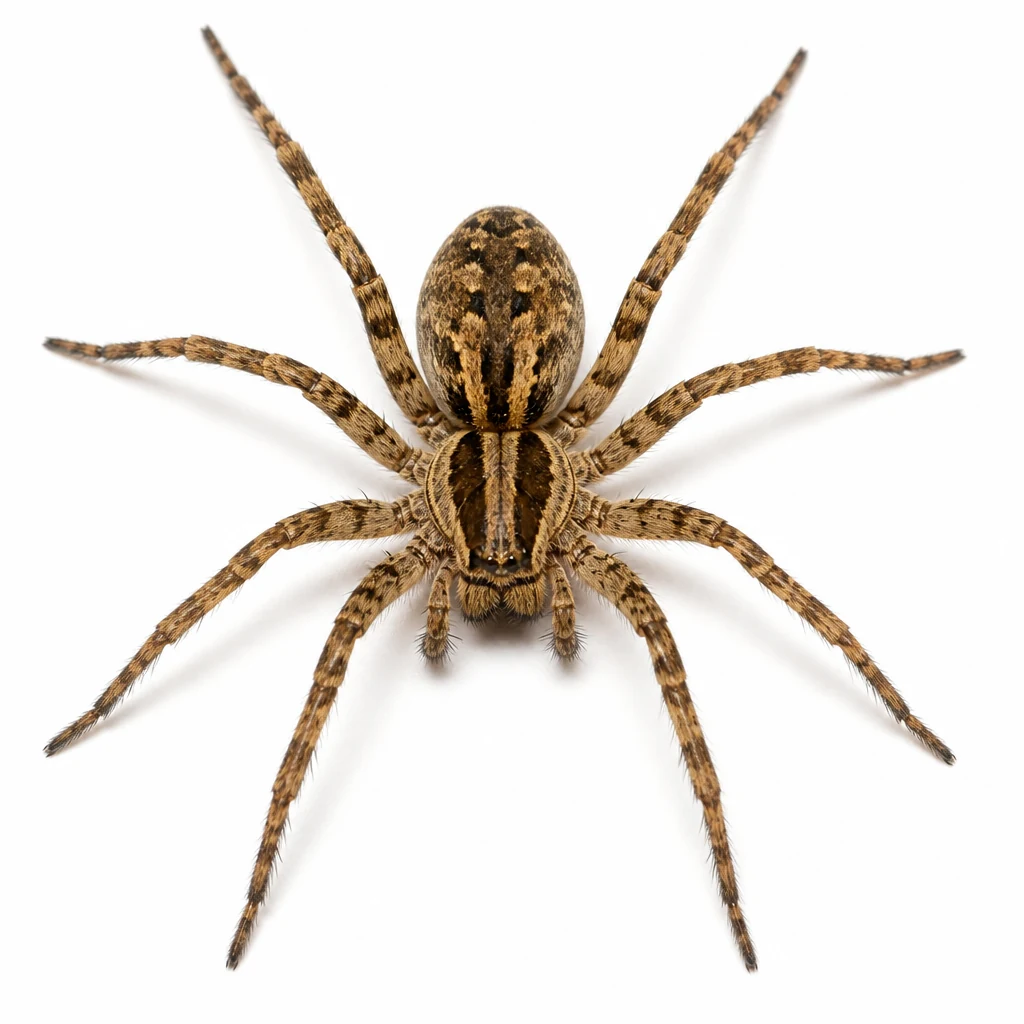
Most spiderlings disperse on their own after leaving the sac. But care behaviour varies by species. In wolf spiders the young climb onto the mother’s back and are carried for a short time; Britannica reports that this carrying can last about ten days and that the number of young is mostly between 20–100. This number belongs not to all spiderlings but to the example group mentioned.
Spiderlings moult several times as they grow. The time to adulthood, the developmental stage in which winter is spent and how many of the young survive differ between species. For this reason, the number of young emerging from the sac and the number of adult spiders are not the same.
What should you do if you see an egg sac at home?
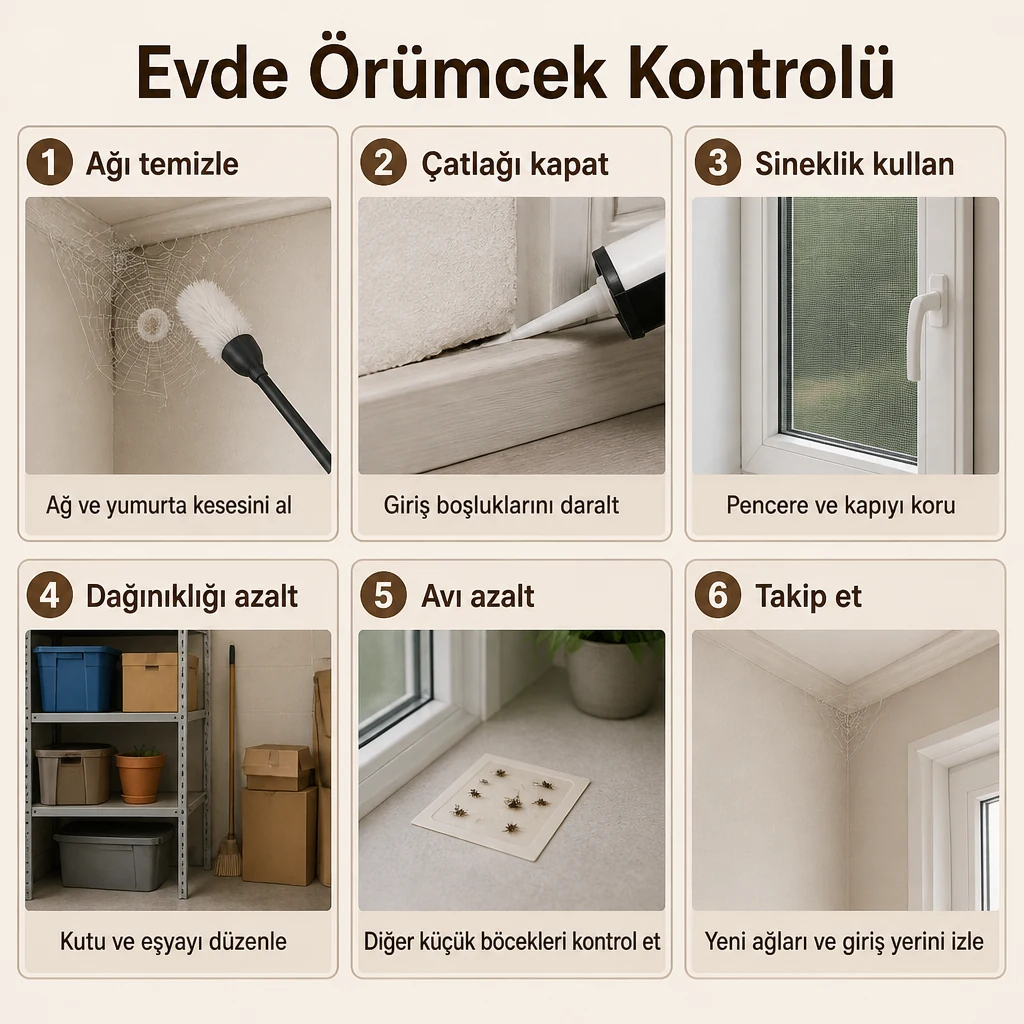
Don’t touch the sac with bare hands and keep children and pets away from the area. If it’s somewhere accessible, use gloves or a suitable tool to put it into a closed bag and take it out to the waste outside the house; then clean up the webs and the cracks around them. A single sac doesn’t mean the house will fill with spiders. If you keep seeing sacs or webs at the same spot, check the entry gaps and stored items. Safe control steps for spiders in the house are in the spider guide; so as not to confuse them with other arachnids, you can also read the article on the scorpion’s lifespan and way of reproducing.
Frequently asked questions
Does a spider die after laying eggs?
The females of some species die after producing their last sac; others may care for the young for a while or live until the next season. This behaviour is not the same for all spiders.
How many spiders come out of one egg sac?
The number of eggs in the sac varies by species, and not all of the eggs may develop. For a sac whose species is unknown, it is not possible to give an exact number of young.
How many years does a house spider live?
“House spider” covers different species. Some live for a short time while some females can survive more than one season; it is not right to give a clear number of years without identifying the species.
Sources
- Clemson Cooperative Extension, Home & Garden Information Center, “Cellar Spiders”: https://hgic.clemson.edu/factsheet/cellar-spiders
- Encyclopaedia Britannica, “Spider: Eggs and Egg Sacs”: https://www.britannica.com/animal/spider-arachnid/Eggs-and-egg-sacs
- Natural History Museum, “House spider”: https://www.nhm.ac.uk/take-part/identify-nature/spiders-in-your-home/house-spider.html