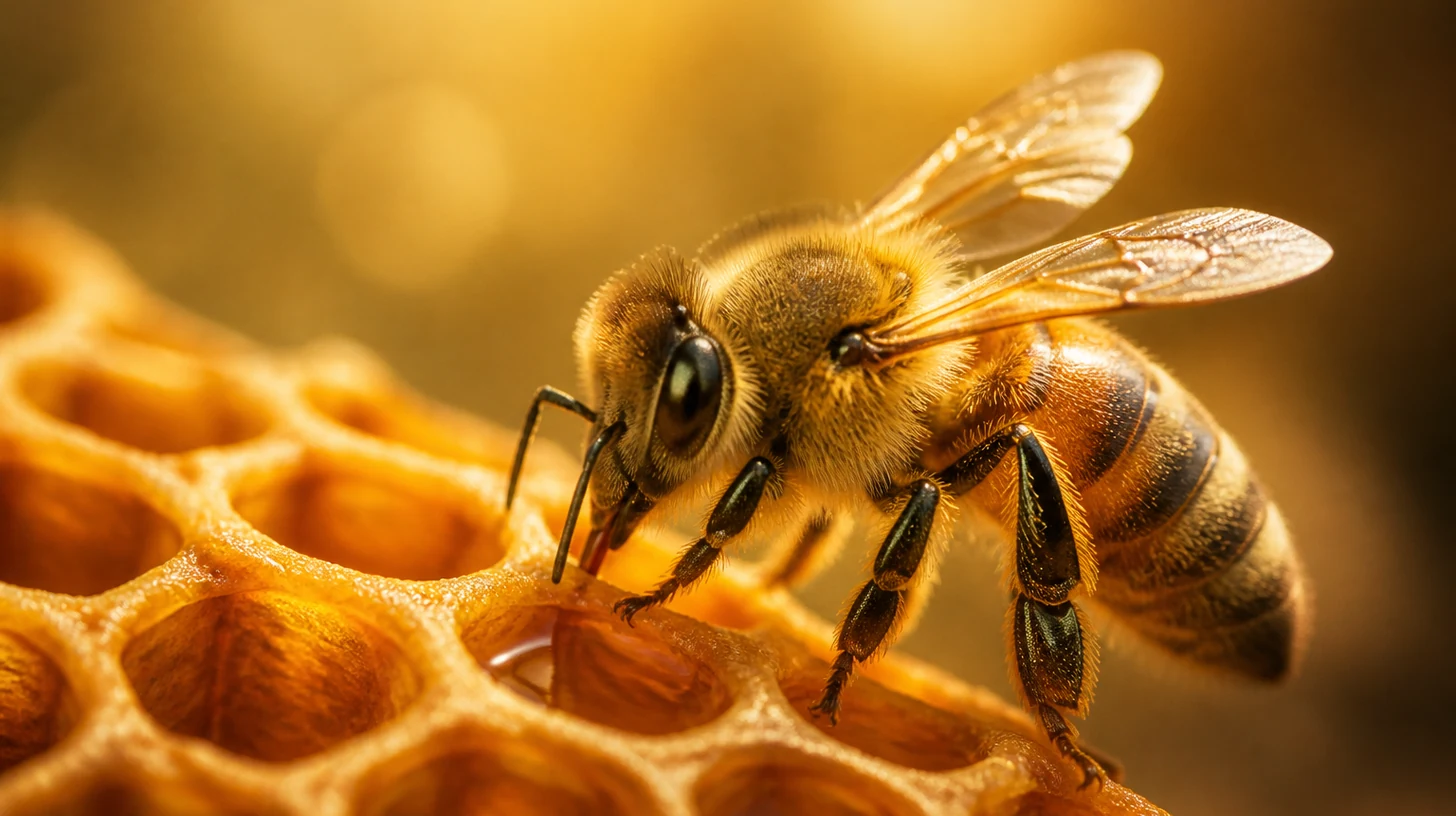
A honey bee’s lifespan depends on its task: a summer worker lives about 15–38 days, a winter worker 150–200 days, a drone mostly a few weeks, and the queen an average of 1–2 years. What is really surprising is that, because of season and task, the lifespans of individuals in the same hive can stretch from weeks to years. In this article we compare the lifespans of the worker, the drone and the queen separately. To see the structure of the colony in a broader frame, you can also look at the honey bee guide.
How long does a worker honey bee live?
The lifespan of worker bees that work hard in summer is generally a few weeks. Scientific reviews give a range of about 15–38 days for summer workers. Their lifespans vary with the load of tasks such as in-hive maintenance, feeding the brood and collecting nectar and pollen outside. On its flights, the forager worker faces additional risks such as weather conditions, predators and wear.
Workers preparing for winter are different. Individuals that develop in autumn and keep the colony going during the cold period can live longer; one review reports 150–200 days for winter workers. This figure is not the exact lifespan of every winter bee. Intraspecific differences, colony health and climate change the result. Because winter workers may face less brood care and flight load, they do not wear out at the same rate as workers that work hard in summer.
How many days does a male honey bee live?
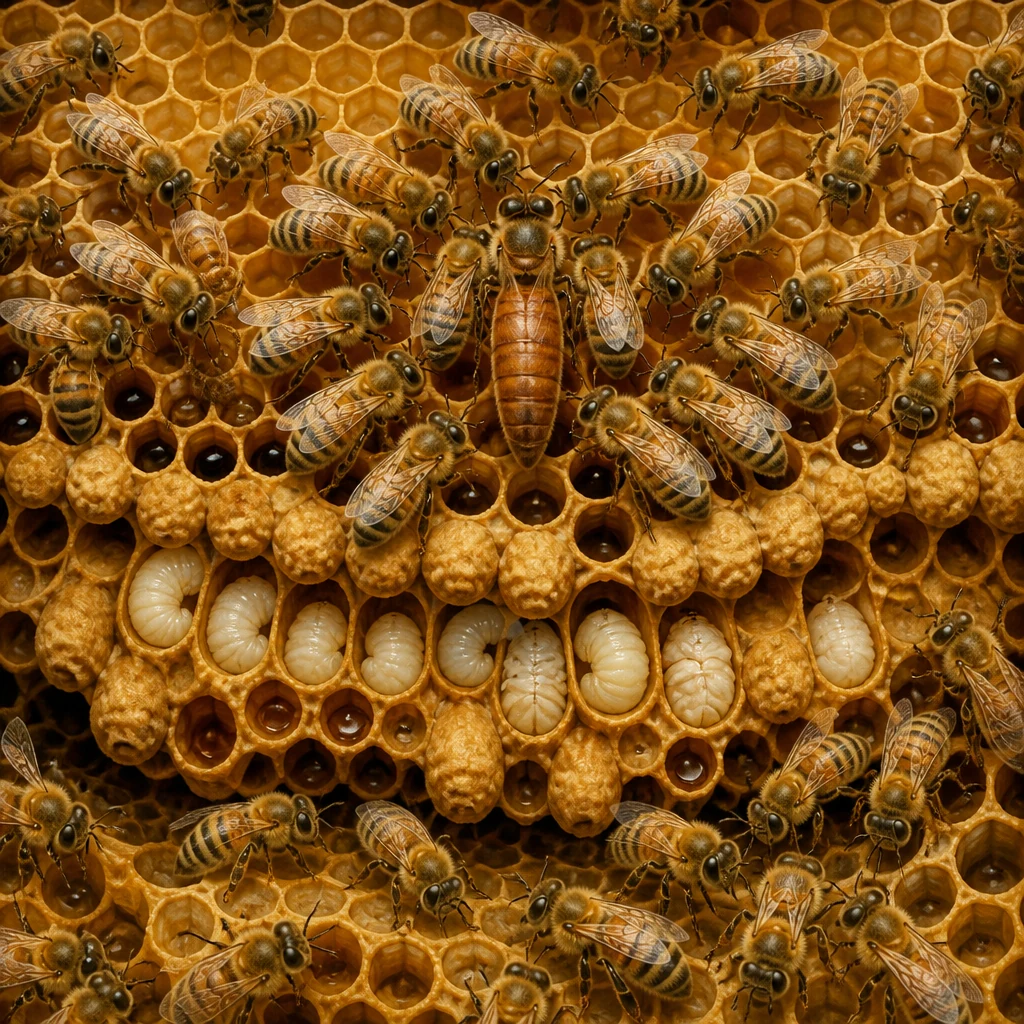
Male bees, that is, drones, serve the function of mating with the queen. There is no single exact number for their average lifespan: the season, mating success and the state of the colony matter. In a peer-reviewed study, the average life of drones was reported as about 30 days. Successful mating results in the drone’s death; drones that do not mate, on the other hand, can be thrown out of the hive at the end of the season when resources become scarce. So the sentence “a drone always dies after mating” is true, but it does not mean every drone will die after the same length of time.
How many years does a queen honey bee live?
The queen is the longest-living individual of the three types. A peer-reviewed review gives her average lifespan as 1–2 years. Longer durations may appear in beekeeping sources; however, a colony may replace the queen before her natural death because of her productivity or colony management. So the biological potential should not be confused with the time she actually remains in the hive.
The queen’s long life is related to her role in the colony of continuously laying eggs and being fed and protected by the workers. Her lifespan is not determined only “because she is the queen”: mating status, disease, genetics and hive conditions also play a part. The honey bee’s colony organization and communication describes this division of labor in detail.
Why are lifespans so different?
| Bee type | Typical lifespan | Main factor changing the duration |
|---|---|---|
| Summer worker | About 15–38 days | Heavy work and foraging |
| Winter worker | About 150–200 days may be reported | Season and task within the colony |
| Male (drone) | Average about 30 days; variable | Mating and being thrown out of the hive at season’s end |
| Queen | Average 1–2 years | Colony conditions and queen replacement |
The ranges in the table come from different studies and conditions; within a single colony they do not work like a calendar for every individual. In particular, the statement “a worker bee lives six weeks” is a practical approximation for summer workers and does not cover winter workers. The idea that all the bees in the hive die within a short time over winter is also wrong: the colony gets through the cold period with the living winter workers and the queen.
Which conditions affect a bee’s lifespan?
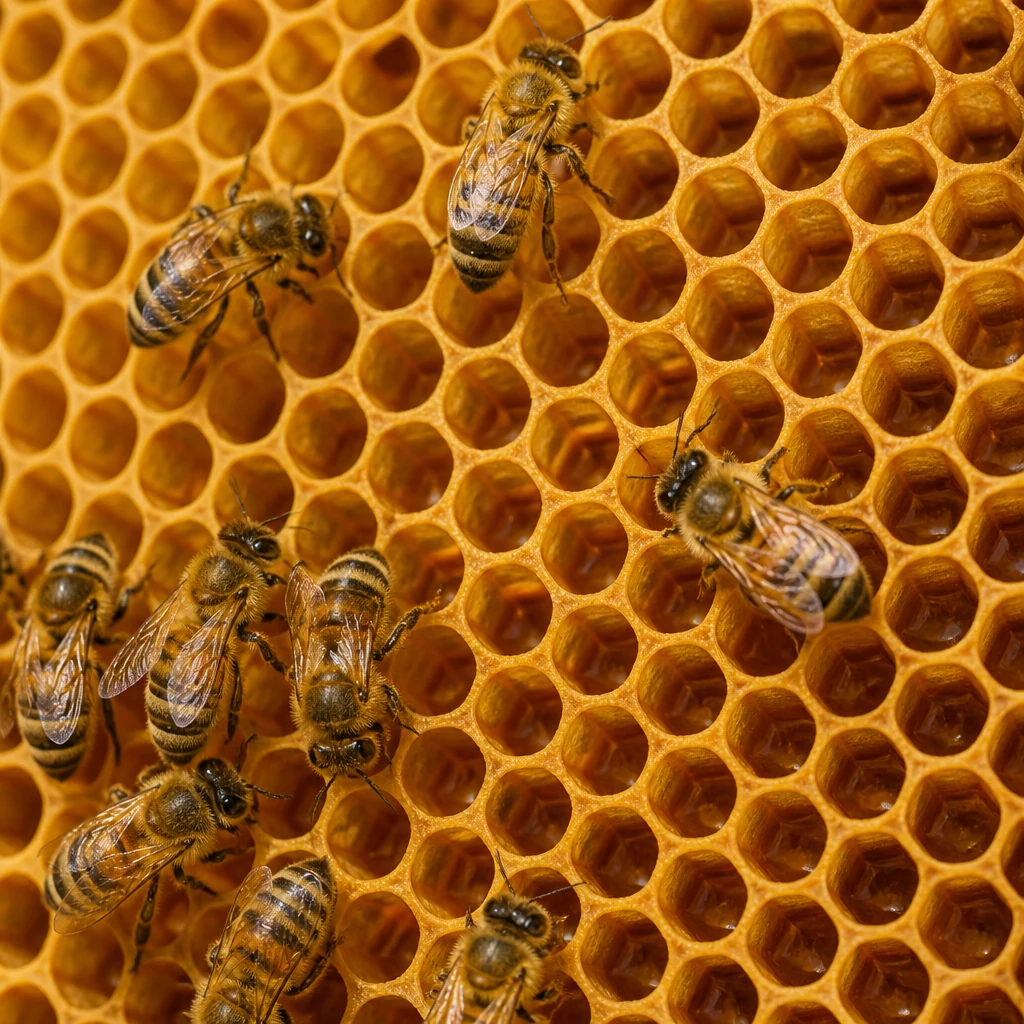
The season explains the basic difference, but it is not the only factor. The adequacy of food sources, disease and parasite pressure, weather conditions, genetic traits and the amount of brood in the colony can change the life expectancy of workers. The task in the colony also matters: the risk faced by a worker working inside the hive is not the same as that faced by a forager making long flights. Whether a colony is strong or weak can affect how many of the worker bees stay in brood care and how many search for resources outside. That’s why lifespans measured from hive to hive don’t come out exactly the same; it is not right to draw firm conclusions for the whole colony from the lifespan of a single bee.
When comparing figures from different sources, keep the terms “average”, “typical range” and “longest reported duration” apart. For example, some sources giving higher values of several years for queens does not invalidate the 1–2 year average in the research review; the measured conditions may not be the same. The biology of the honey bee is understood together with this sharing of roles within the colony. For separate information on the stinger and defensive behavior, you can look at the bee sting and first aid guide.
Sources
- Curious about bee longevity? Here’s a review of the lifespan of honey bees — seasonal lifespans of queen and worker bees.
- Reproductive Senescence in Drones of the Honey Bee (Apis mellifera) — lifespan and reproductive aging of drones.
- Honey Bees in the Tropics Show Winter Bee-Like Longevity in Response to Seasonal Dearth and Brood Reduction — the role of season and brood amount in worker lifespan.