No, the wasps commonly encountered in Türkiye do not make honey and store it in the nest. The really surprising point is that a few tropical wasps can store nectar and honeydew; this exception does not mean that the comb-like structure in every wasp nest is full of honey. For the species in Türkiye and their nesting behavior, you can also read the main wasp guide.
Why don’t wasps make honey?
“Making honey” here is not the same as collecting flower nectar. Wasps can also take sugary liquid from flowers; adults use sources such as nectar and ripe fruit for flight energy. But in common social species, the behavior of storing nectar in the nest for a long time and maturing it as colony food, as honey bees do, is not seen. The colony works differently: workers mostly hunt other insects to provide protein for the larvae, while adults consume sugary food. For details, you can look at the wasp feeding and hunting behavior page.
Another difference is the life cycle. Many wasp colonies in temperate regions break up at the end of the season; the winter is mostly survived by fertilized young queens. A honey bee colony, on the other hand, needs a large food store to survive through the winter. This is not an absolute rule that explains the behavior of both groups on its own; it is one of the basic ecological differences between the common species and the honey bee. Wasps turning more toward sugary food in late summer and autumn does not show that the colony is accumulating honey. During that period, while the number of workers and colony activity change, the availability of natural sugar sources can also play a role. So workers that come to drinks or fruit outdoors are individuals foraging for food; they should not be thought of like honey bees returning to the hive to collect honey.
Is a comb-like nest a honeycomb?
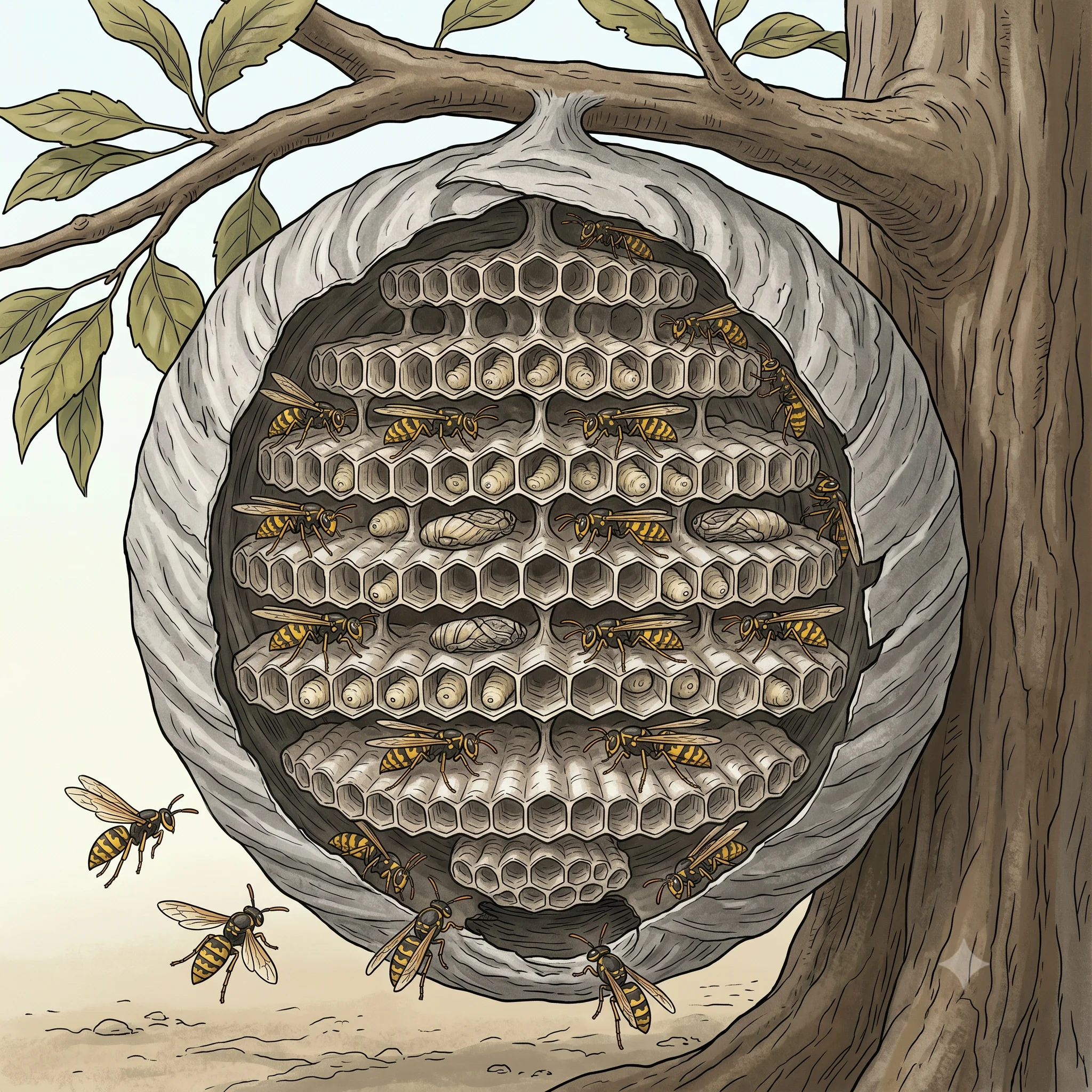
No. The cells in a wasp nest are made of a paper-like material made from chewed wood fibers. Honey bee combs, by contrast, are made of beeswax and serve to store honey as well as to raise brood. Seeing hexagonal cells in a wasp nest does not show that there is edible honey inside. There is more information about the nest structure and the colony in the wasp guide.
Do no wasps make honey at all?
Some species are the exception. Some social wasps in the genera Brachygastra and Polybia store nectar or the honeydew secreted by aphids in their nests. These wasps, referred to in the scientific literature as “honey wasps”, are not the same insect group as honey bees. A study published in 2025 also reports that honey-storing wasps use and store this food. These are mainly species in tropical America; it would not be right to generalize this trait to the ordinary wasp you see in Türkiye.
| Feature | Common wasps | Honey bee | Some honey-storing wasps |
|---|---|---|---|
| Nectar collection | Yes, for adult energy | Yes | Yes |
| Long-term honey store | Usually none | Yes | Yes in some species |
| Nest material | Chewed plant/wood fiber | Beeswax | Paper-like structure depending on the species |
| Distribution | Can be encountered in Türkiye | Found in Türkiye | Especially tropical America |
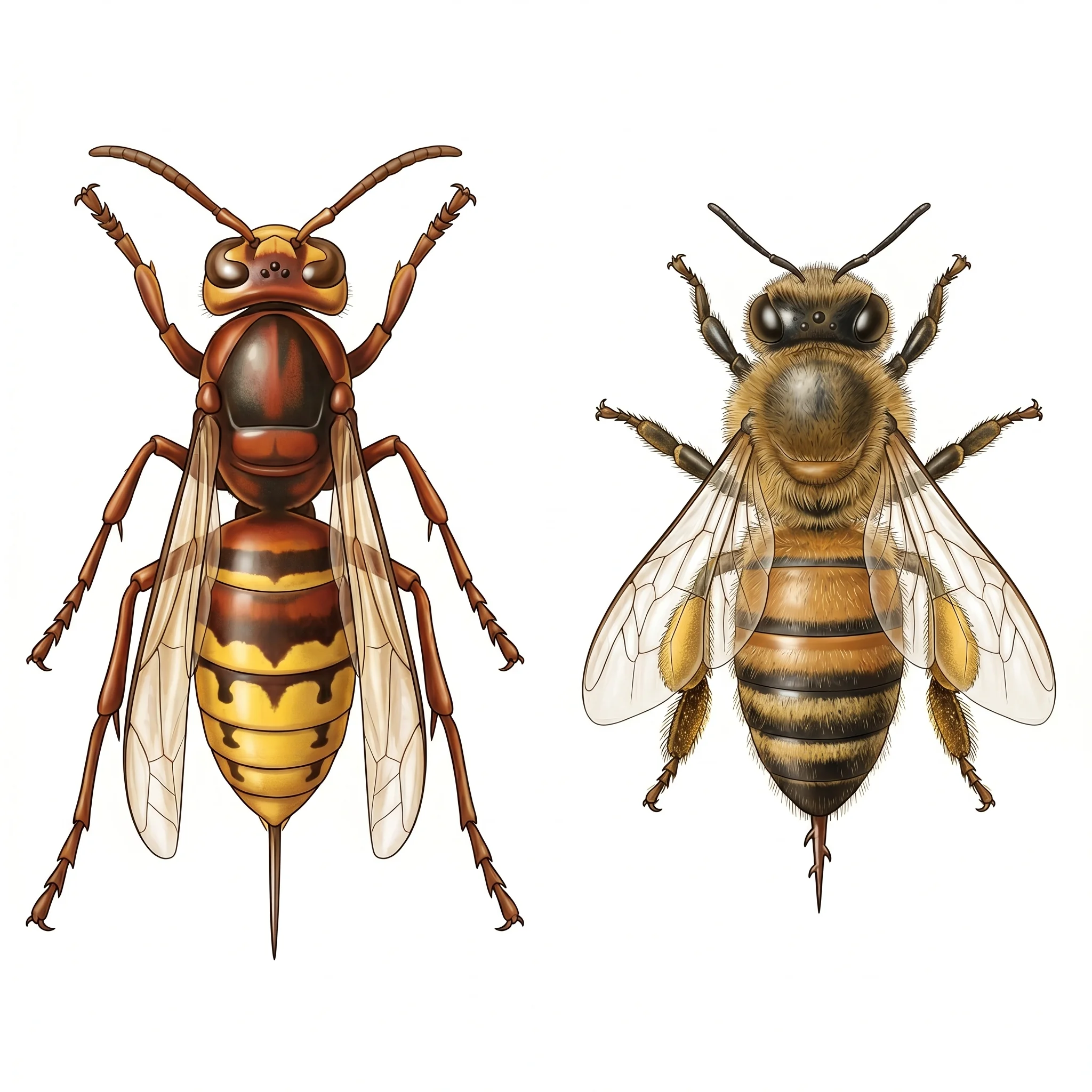
Reading how the honey bee produces honey shows this difference more clearly. For comparative identification, also take a look at the differences between wasps and honey bees.
Can wasp honey be eaten?
In some societies, the products of certain honey-storing wasps have traditionally been eaten. But not every substance seen as “wasp honey” is safe. The plants the nectar comes from matter: the toxic compounds of some plants can pass into honey. In addition, with a product taken from a wild nest whose species and source are unknown, safety, hygiene and correct identification cannot be guaranteed. So don’t try to collect honey from a wasp nest; approaching the nest also increases the risk of being stung. The existence of edible examples in scientific sources is not a recommendation to eat the product of a nest in Türkiye.
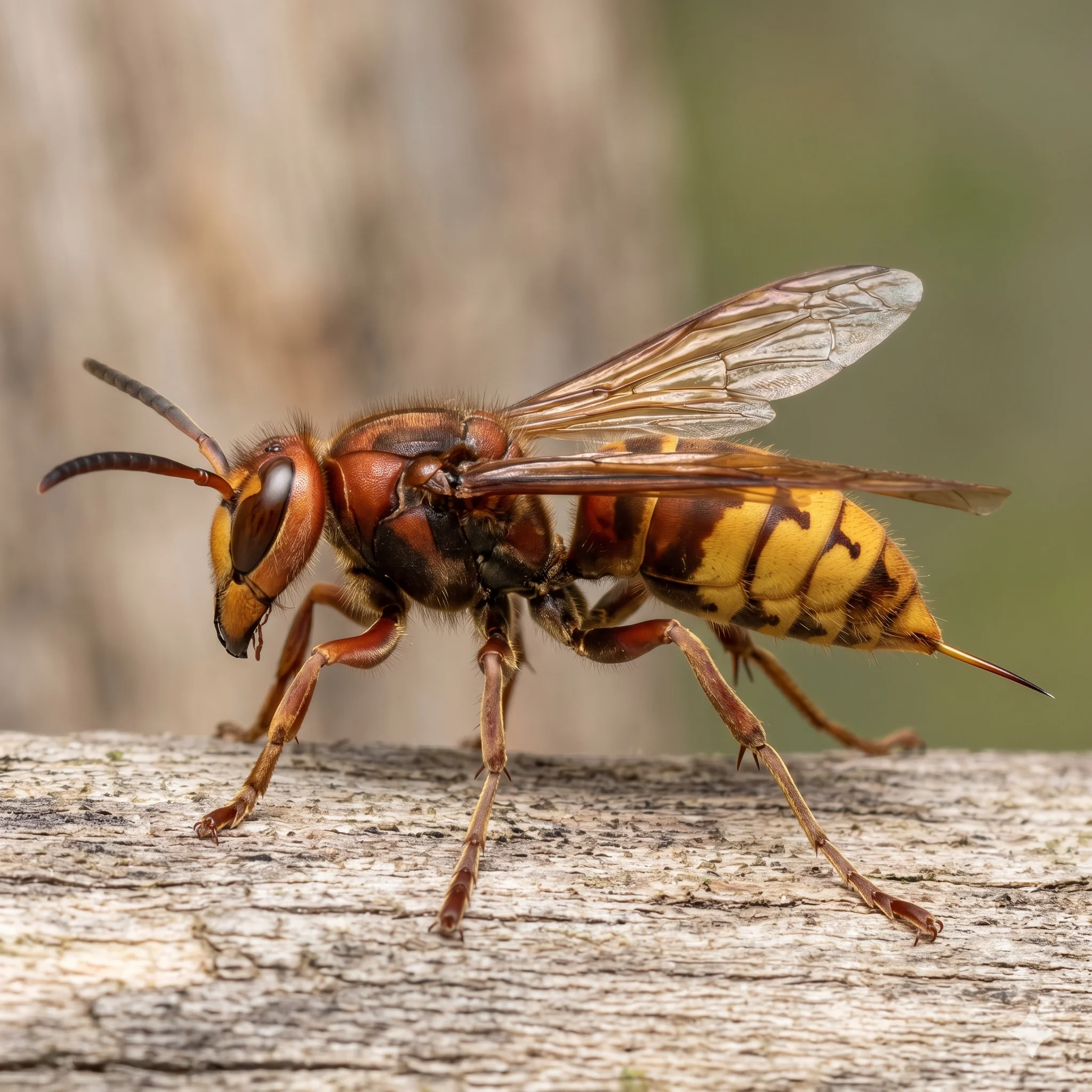
Seeing a sugary substance inside the nest does not on its own confirm that it is honey either. Nest cells are compartments where the young develop; honey is not stored in every cell. What’s more, the common Turkish folk name for wasps can cover not a single species but different members of Vespidae. Transferring the behavior of a species in tropical regions to the European hornet or to the yellow-and-black wasps in Türkiye would be scientifically wrong. Without identifying the species, it also cannot be known which plants the product comes from and whether it is safe.
Short answer
The common wasps in Türkiye do not make honey the way honey bees do; some tropical wasp species can store nectar. Because of this exception, saying “no wasp stores honey” would also be wrong. A comb-like nest cell is not proof that there is honey, and eating a wild wasp product of uncertain origin is not considered safe.
Sources
- Jo-anne C. H. et al. (2025), research on honey wasps, Proceedings of the National Academy of Sciences / PubMed Central: https://pmc.ncbi.nlm.nih.gov/articles/PMC12607865/
- BuzzAboutBees, “Do Wasps Make Honey? Some Do! Meet The Honey Wasps”: https://www.buzzaboutbees.net/do-wasps-make-honey.html
- Texas Entomology, “Mexican Honey Wasp – Brachygastra mellifica”: https://www.texasento.net/Brachygastra.htm