Cover showing the distinction between maggot therapy and myiasis

Maggots and Health: The Line Between Treatment and Myiasis

The first clear distinction here is this: in health, “maggot” leads to two different doors. Behind one door are Diptera logic, as with the house fly, and the larval stage; behind the other are infection and wound management. To see the logic of carriers, the mosquito article; to see the difference in biting species, the wasp article; and to complete the biological setting, the honey bee article bring the same picture together. This article is medical information; it does not make a diagnosis. If there is an open wound, fever, shortness of breath, rapidly spreading redness, a change in consciousness, or eye or throat involvement, call your country’s emergency number. ...
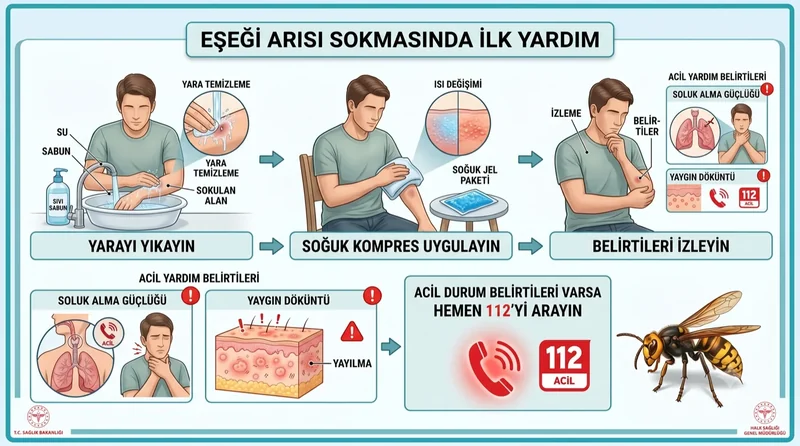
First aid steps after a wasp sting — washing, cold compress, emergency symptoms

Wasp Sting First Aid: What to Do, When to Call the Emergency Number?

The short answer to the question “stung by a wasp, what should you do?” is this: first clean the area, then identify your reaction, then don’t miss the emergency threshold. For the general picture of the species, see the Wasp: Social Structure and Relationship with Humans article, and to see the difference from the honey bee clearly, see the Wasp vs Honey Bee: How to Tell Them Apart? page. Here the topic is first aid directly, because a wasp doesn’t sting once and leave; given the chance, it can sting again. ...

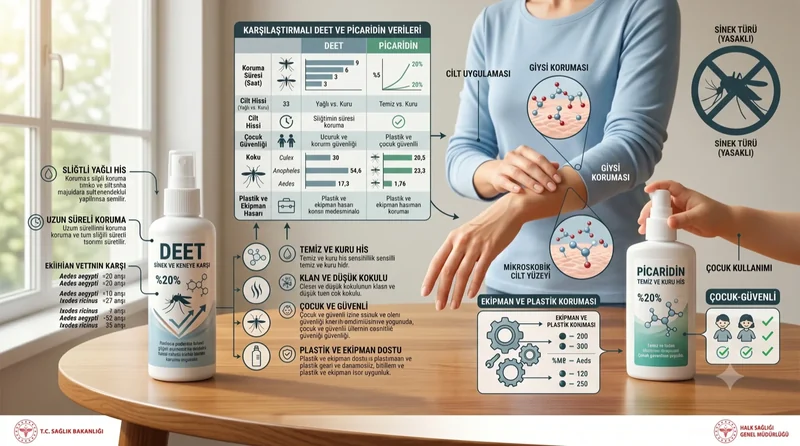
DEET and picaridin mosquito repellent comparison; cover image focused on skin, clothing and family use

DEET vs Picaridin: A Mosquito Repellent Guide

This article builds on Mosquito: Biology, Species and Health Information and Why Do Mosquitoes Bite Some People More? The ETM Complex. The question here is clear: which repellent goes on the skin, which one goes on clothing, and which one makes more sense for a baby. Quick decision DEET and picaridin don’t belong in the same basket. DEET is the older option and is considered stronger; picaridin is an option with less smell, a less oily feel and better compatibility with plastic. Permethrin is a separate class: it goes not on the skin but on clothing. Oil of Lemon Eucalyptus is a natural alternative, but it is not the first choice for every household. ...

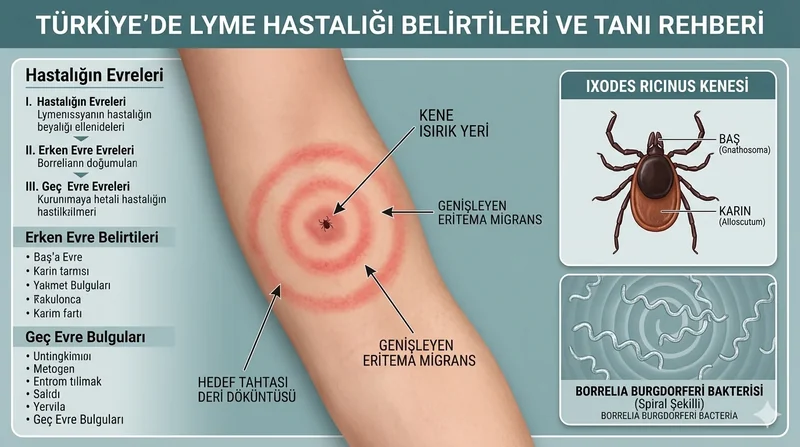
Medical cover image showing target-like erythema migrans, a symptom of Lyme disease, and the tick vector

Lyme Disease Symptom: What Does Erythema Migrans Look Like?

This page is the Lyme branch of the Tick: Biology, Life Cycle and Health Perspective article; if you want to see tick removal separately, look at the Tick Removal Method: The Correct Pull with Tweezers page. The aim here is to recognize erythema migrans correctly and not to miss the late stage. Short rule: if there is only typical EM, a same-day outpatient clinic; if fever, a neurological finding, palpitations, chest pain or rapid deterioration is added to EM, the urgency rises. ...

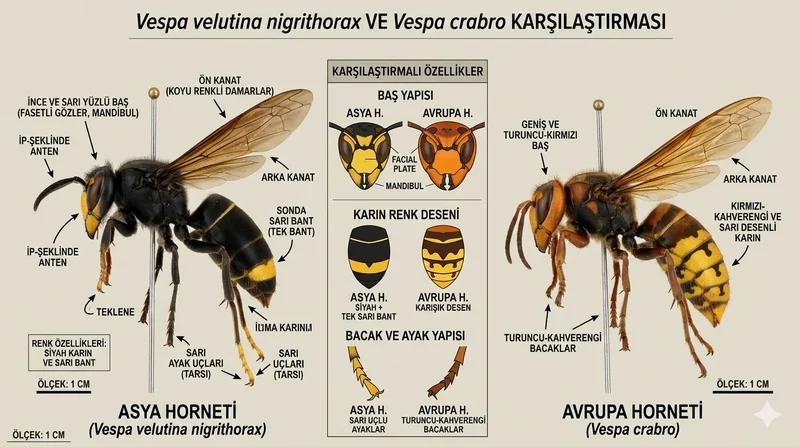
Specimen-plate style comparison image for Vespa velutina in Turkey

Vespa velutina in Turkey: The Asian Hornet and the Beekeeping Risk

This article is a narrowed-down continuation of the main Wasp framework; read it together with Wasp vs Honey Bee: How to Tell Them Apart? for telling species apart. The topic here is not a single insect but an invasive species dealt with together with hive pressure, field monitoring and health risk. If you want to move on to the nest removal line, the Wasp Nest Removal article, a separate and tougher operation, covers that ground. ...

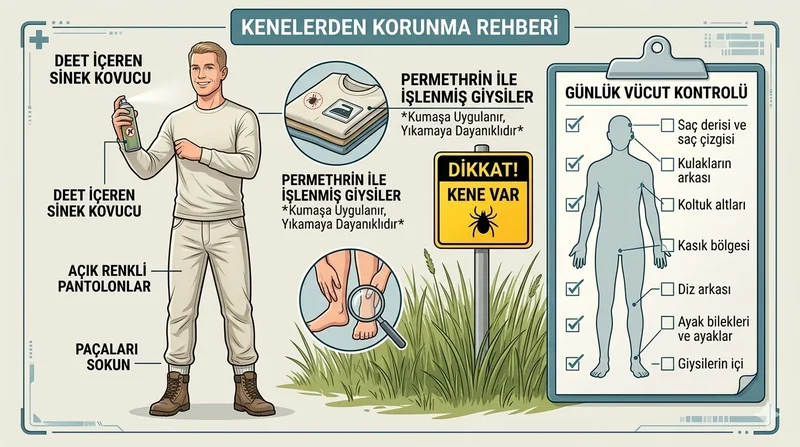
Medical cover image showing repellent, clothing and checking steps as tick prevention methods

Tick Prevention Methods Guide

Tick prevention methods are not just a matter of spray; the picture is complete if the field behavior in the Tick: Biology, Life Cycle and Health Perspective article is read together with What to Do After a Tick Bite? An Evidence-Based Guide. This page makes clear what to wear and what to apply before you go out, and what to check when you get back. Short rule: first lower the chance of being bitten, then check more often. The Tick Removal Method: The Correct Pull with Tweezers page shows what the second line is if a tick slips through. ...

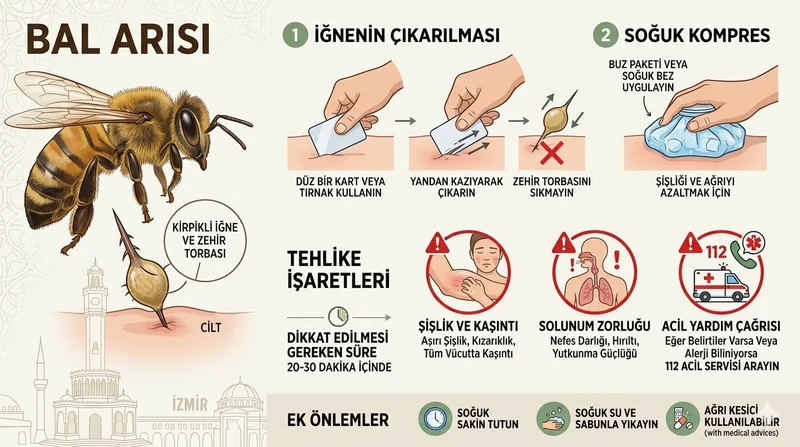
First aid after a honey bee sting — stinger removal, anaphylaxis and the emergency threshold

Honey Bee Sting: First Aid, Stinger Removal and Anaphylaxis

If we’re going to talk about honey bee stings, first look at the main framework: the Honey Bee article covers the species and the logic of the colony; Honey Bee Dance Language opens up another side of the same cluster. This page is the field side of that cluster: the sting, the stinger, allergy and the emergency threshold. If you want to see the same related line, the Wasp vs Honey Bee Differences article is also useful. ...

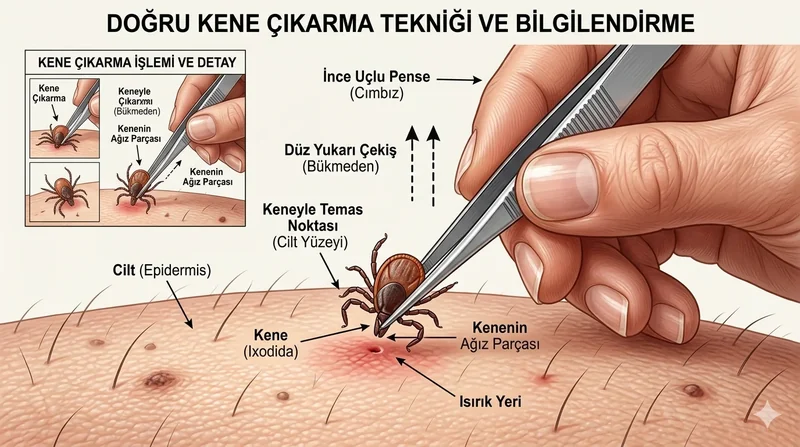
Removing a tick with fine-tipped tweezers — the correct method

Tick Removal Method: The Correct Pull with Tweezers

Medical notice: This article is for general information; for detailed aftercare, see the What to Do After a Tick Bite? An Evidence-Based Guide page. If there is fainting, severe bleeding, shortness of breath, rapidly increasing pain, a high fever or a rash, seek care at a healthcare facility. The short answer to how to remove a tick is clear: with fine-tipped tweezers, a tick remover or ordinary tweezers, grasp the tick at the point closest to the skin, pull straight upward and don’t twist. This method is consistent with the attachment logic described on the Tick: Biology, Life Cycle and Health Perspective page; for the steps you need to follow after removal, also see the What to Do After a Tick Bite? An Evidence-Based Guide page. The aim here is not brute force but a controlled removal. ...

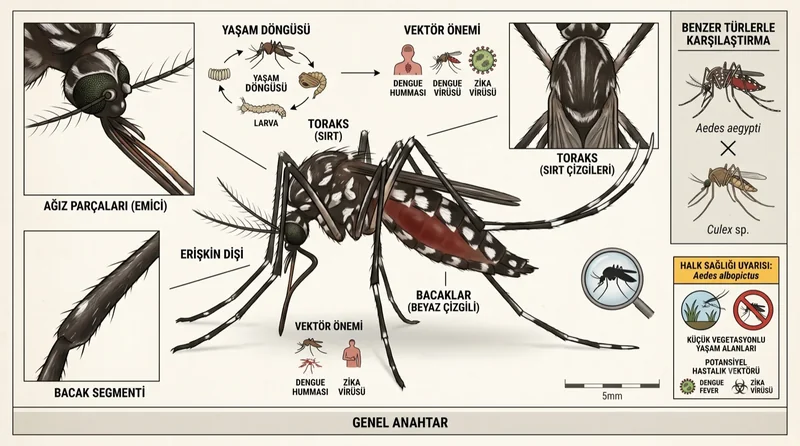
Asian tiger mosquito — black-and-white striped body and legs

Asian Tiger Mosquito (Aedes albopictus): Spread in Türkiye, Identification and Protection

The Asian tiger mosquito is a species that looks small for Türkiye but has to be taken seriously. If you want to read the general framework, first look at the article Mosquito: Biology, Species and Health Information; here we open up the Aedes albopictus side of the matter directly. What makes this species noteworthy is both that it is easy to recognize and that it is monitored separately in terms of health surveillance. Its appearance in Türkiye is not read like that of an ordinary summer mosquito. ...