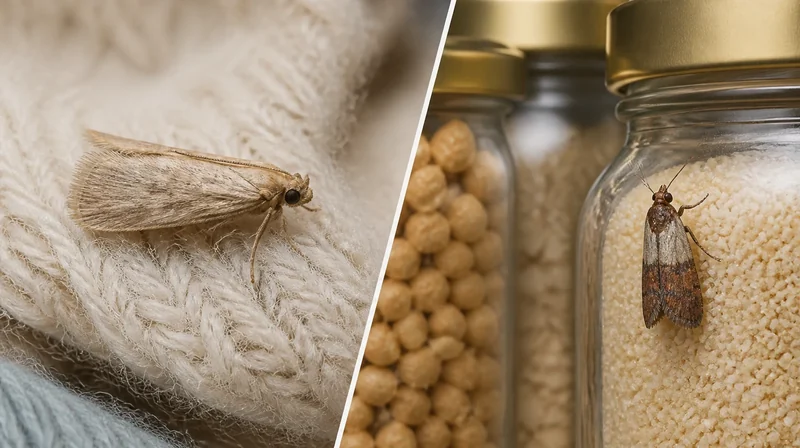
Small Lepidoptera species seen around the wardrobe, pantry and dry food in a household moth problem

Moths in the House: Signs, Sources and Control

“Moths in the house” is used as if it were the name of a single insect; but indoors there are two separate lines of problems: the clothes moth and the pantry moth. The short answer is this: killing the small flying moth is not enough; you need to find the source and remove it. In this respect, controlling moths in the house is, like fleas in the house, a matter of breaking the life cycle; like bed bugs, it requires tracking hidden cracks, but it does not show blood-feeding behavior. ...

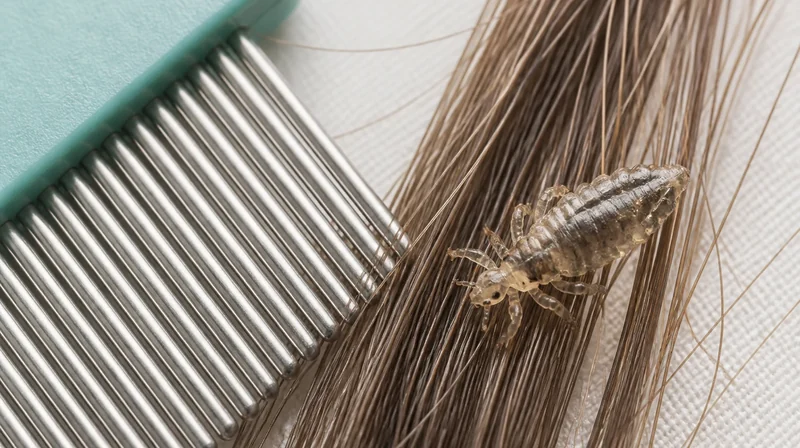
Pediculus humanus capitis on a strand of hair and a fine-toothed lice comb, for a lice problem in the house

Lice in the House: Symptoms, Spread and Cleaning Plan

Lice in the house should not be thought of as an ordinary household insect that comes out of the wall or breeds in the carpet. The short answer is this: when lice are suspected in the house, the main goal is not spraying the rooms, but finding live head lice in the hair or nits stuck to the hair, checking contacts on the same day, and managing close belongings such as the comb, hat and pillowcase that were used. Bites and itching can be confused with other species; that’s why you need to tell them apart from creatures such as bed bugs, fleas in the house and ticks. ...

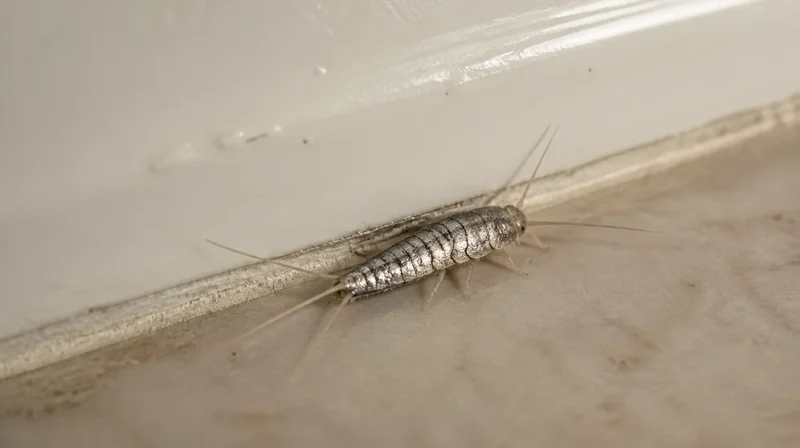
A silverfish (Lepisma saccharina) in the house: a silver-colored wingless insect next to a bathroom baseboard

Silverfish in the House: Why Do They Appear?

Silverfish in the house usually do not mean the house is dirty; they show that moisture, dark cracks and starchy sources such as paper and cardboard have gathered along the same line. The short answer is this: don’t confuse this animal with a blood-feeding bed pest like bed bugs or a species that jumps and bites like fleas in the house. The silverfish is not an insect that targets people; the real issue is that a suitable hiding and feeding area for it persists in the home. ...

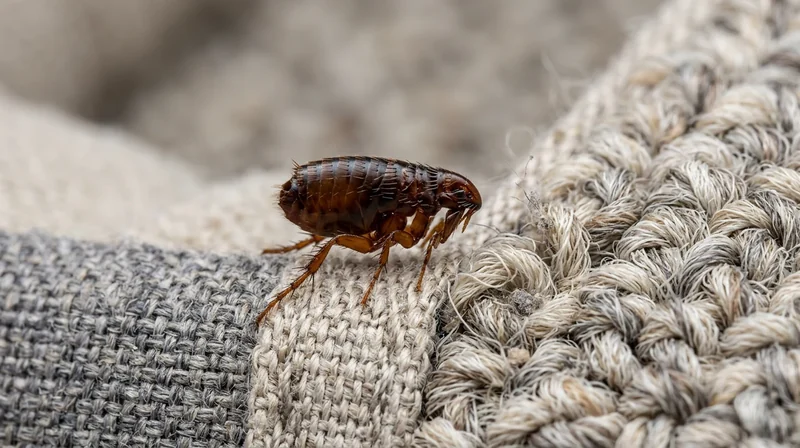
A flea in the house (Ctenocephalides felis): a small jumping insect seen among carpet fibers and around a pet bed

Fleas in the House: Signs, Sources and Control

Fleas in the house are usually not a single jumping insect but a small cycle that spreads along the line of pets, carpets, sofas, beds and baseboards. The short answer is this: seeing an itchy mark on your leg is not a diagnosis on its own; you need to tell fleas apart from a species that hides in bed cracks like bed bugs and from an animal that attaches to the skin like a tick. For the logic of cutting off sources inside the home, the how to get rid of cockroaches guide shows the same principle: you target not the visible individual but the conditions it lives in. ...

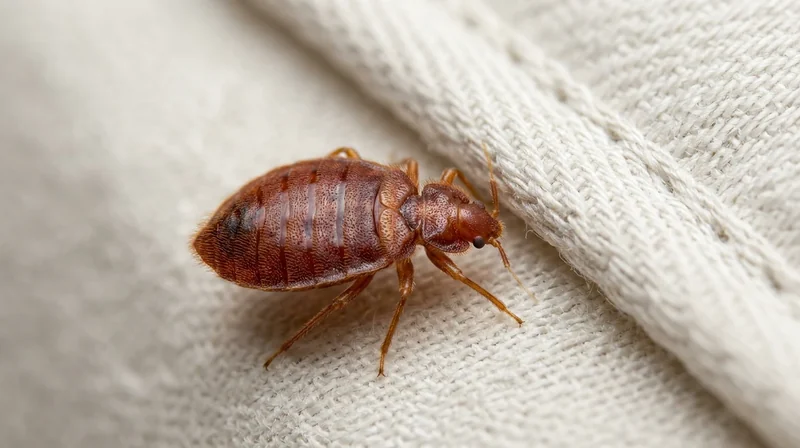
A bed bug (Cimex lectularius): a flat brown household insect hiding at the edge of a bed

Bed Bugs: Signs, Life Cycle and Control

Medical notice. This article is for general information only and is not a substitute for medical advice. If you have symptoms such as a severe reaction, a widespread rash, fever or shortness of breath, contact a healthcare provider. In an emergency, call your country's emergency number. The bed bug is a household insect that feeds on human blood, is active at night and hides during the day in narrow spaces such as the mattress seam, cracks in the bed base and the back of the headboard. The short answer is this: seeing an itchy mark on the bed is not a diagnosis on its own; unlike a pest that wanders out in the open during the day such as the cockroach, the bed bug is usually caught by its traces. To understand the logic of insect control inside the home, the source-cutting approach in the how to get rid of cockroaches guide is useful here too; in addition, the what is an insect article explains the language of classification, and the cockroach allergy in children article explains why the health risk of different household pests needs to be handled species by species. With bed bugs, however, the area around the bed, the transport line and heat treatment come first. ...
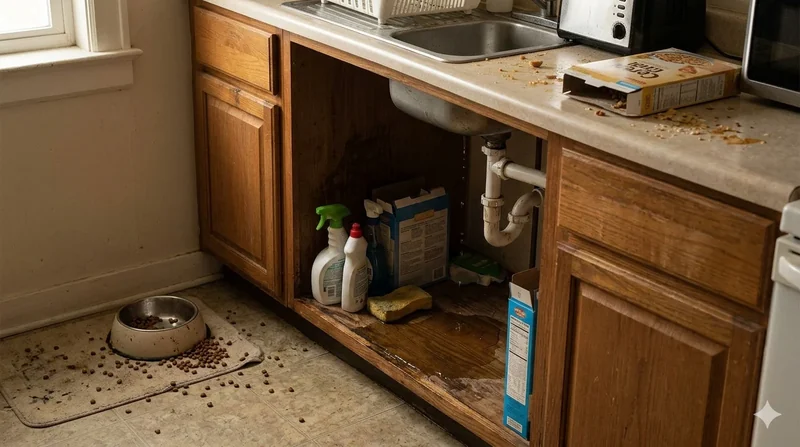
How to get rid of cockroaches — the kitchen, the bathroom and hidden entry points

How to Get Rid of Cockroaches: A Clear Protection Guide for Your Home

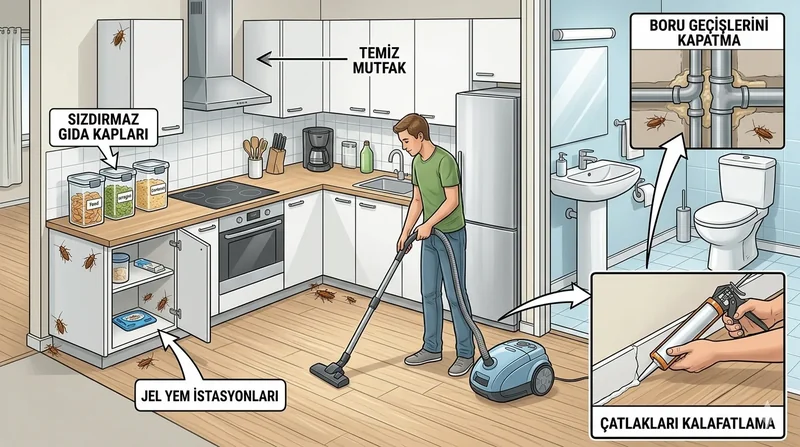
The short answer to the question of how to get rid of cockroaches is this: first you cut off the source, then you seal the entry points, and last you bring the pressure down with bait and traps. This guide builds on the main cockroach article and clarifies what to do inside the home. If you have not yet read the part about why the insect gets into the house, the why do cockroaches come indoors article also describes the beginning of the same chain. The goal here is not to chase insects one by one but to make the environment unattractive to them. ...

How to get ants out of the house — kitchen, bait station and entry points

How to Get Ants Out of the House? A Lasting Solution with Bait

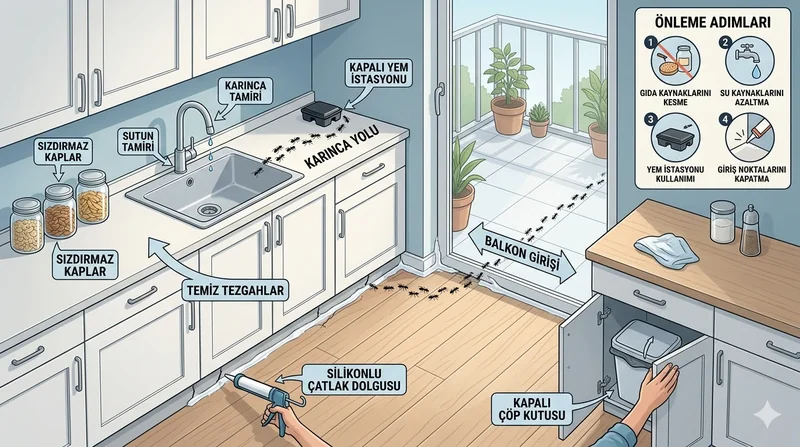
The clear answer to the question of how to get rid of ants is this: first you cut off the source, not the worker line. To see the main backbone of ant behavior, look at the article Ant: The Insect World’s Master of Social Structure, and to understand how the trail is set up, look at the article How Do Ant Trails Form? The Pheromone Language. This article builds the fight inside the house accordingly: it targets not the visible individual but the system that leaves the trail. ...

Ant trail — formation of a pheromone trail

How Do Ant Trails Form? The Pheromone Language

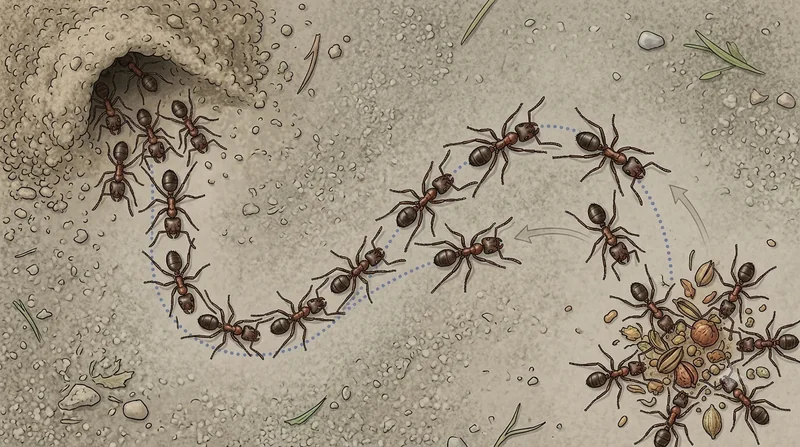
An ant trail is set up not by the intelligence of a single ant but by colony behavior. The first food discovery leaves a trail; this trail is read by the antennae of the other workers; then each passing individual adds a little more pheromone onto the trail. In this way a weak route turns into a strong line in a short time. This simple mechanism brings together efficient searching and signal amplification in nature. Nature doesn’t use brute force here; it makes distributed decisions. For the broader backbone, our main ant article is the main map. ...

House fly escaping a hand movement in slow motion

Why Does the House Fly Escape So Fast? The Wonder of the Eye

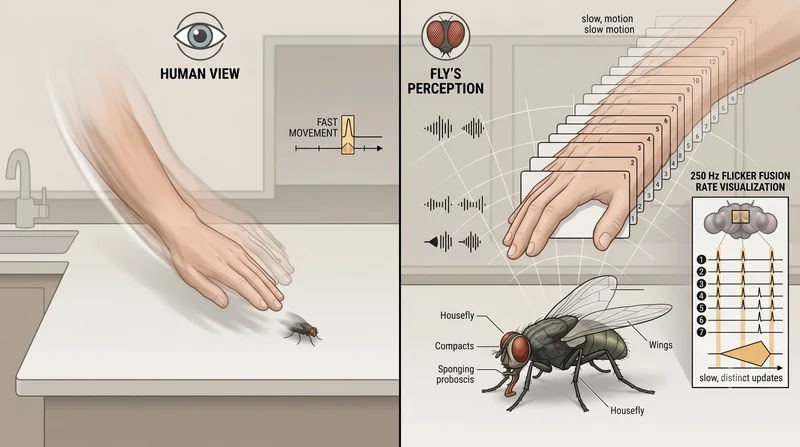
The house fly can escape a hand movement because time doesn’t read for it the way it does for us. The structure of its compound eye samples motion more frequently and raises the alarm early. That’s why what feels to us like a single sudden attack is, on its side, an approach noticed early. For the general picture, go back to the article House Fly: Biology, Behavior and Seasonal Effects; the backbone of biology and behavior sits there. ...

Cockroaches entering the home — a kitchen setting

Why Do Cockroaches Come Indoors? Food, Moisture, Temperature

A cockroach generally enters a home for three things: food, water and warmth. But it doesn’t end there. If the home has a hidden entry point, a damp corner and easily reached crumbs, the setting is ready for it. That is why the kitchen and bathroom are the areas where it is seen most often. For broader biology and species differences, also see the Cockroach: Species, Biology and Relationship with Humans page. The issue here is not a single cause; it is the attraction factors gathering at the same point. When [food], [moisture] and [temperature] come together, the home becomes an easy stop for the cockroach. ...

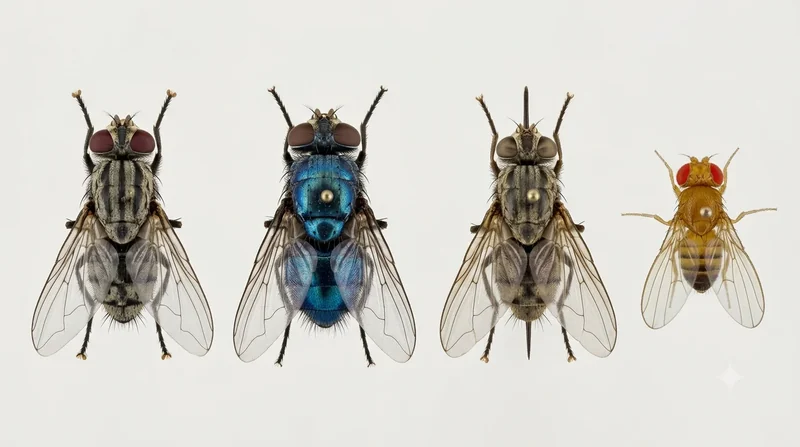
4 types of house fly seen in Türkiye — composite image

House Fly: Biology, Behavior and Seasonal Effects

The house fly is a member of the Diptera that the public recognizes most easily but often names wrongly. The most commonly seen species is Musca domestica, and this species belongs to the family Muscidae. The roots of the house fly lineage go back about 50 million years; in other words, this creature is not a new guest of the city but a very old master of adaptation. Seeing it in the house is no coincidence. There is usually organic waste, open food, a damp surface or an attraction source coming in from outside in the immediate surroundings. This article is a general guide; for the detail asked about most often in daily life, you can look at our article Why Does the House Fly Escape So Fast? The Wonder of the Eye. ...

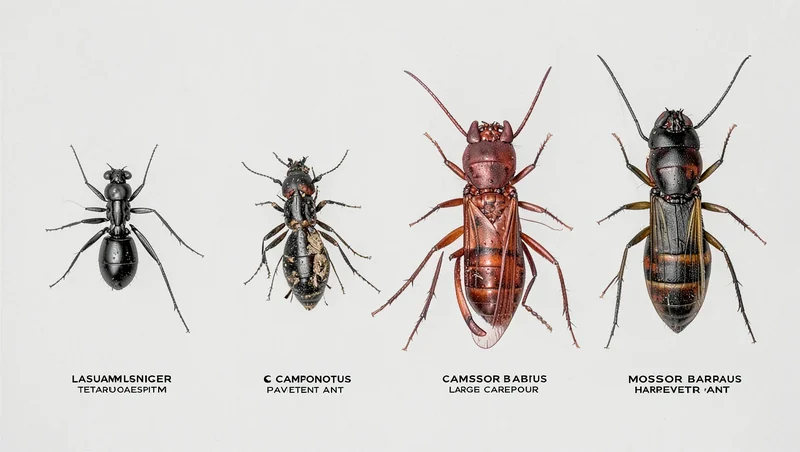
4 ant species seen in Türkiye — composite image

Ant: The Insect World's Master of Social Structure

The ant is a group of social insects belonging to the family Formicidae within the order Hymenoptera. The number of described species exceeds 14,000; its evolutionary history goes back roughly 140 million years, to the Cretaceous period. Living as a colony rather than as single individuals, this group sets up a division of labor shared by queens, workers, soldiers and males. An ant you see in the house is usually not alone but the forward outpost of a larger organization. This article is a general guide; for the detail asked about most often in daily life, you can look at our article How Do Ant Trails Form? The Pheromone Language. ...