What to Do After a Tick Bite? An Evidence-Based Guide
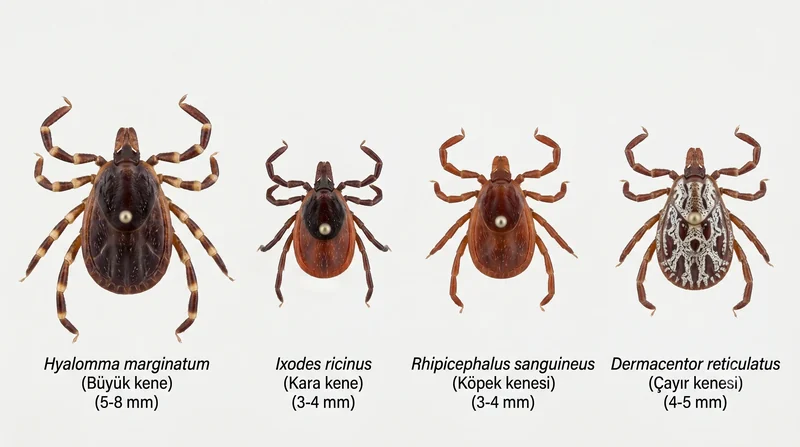
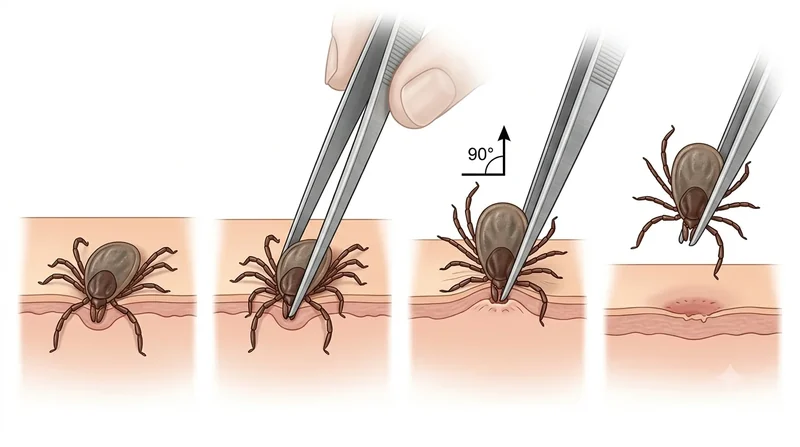
The first thing to do after a tick bite is to stay calm. Don’t panic, don’t crush the tick (critical for CCHF — the virus in tick secretions increases the risk of transmission into the blood), and don’t apply alcohol, oil, petroleum jelly or heat to it. If you have fine-tipped tweezers, grasp the tick at the point closest to the skin and pull it straight up with steady, even pressure; don’t bend, twist or jerk it. Once it is out, clean the area with soap and water, then wash your hands. Then, for 14 days, watch for fever, rash, weakness, headache, muscle pain and signs of bleeding. Important — the CCHF vs Lyme incubation difference: for CCHF (Crimean-Congo hemorrhagic fever), the incubation period is 1-9 days (usually 1-3) via a tick bite, and 5-13 days via contact with blood/body fluids. For Lyme disease, this period is 3-30 days (usually 7-14). So if no fever appears in the first 9 days after the bite, CCHF risk is most likely ruled out; but follow-up for up to 30 days is needed for the erythema migrans rash. This article is not medical advice; but the evidence-based field rule is: remove it correctly, clean, monitor, and see a doctor when in doubt. For details, the Tick: Biology, Life Cycle and Health Perspective page is the main reference. ...