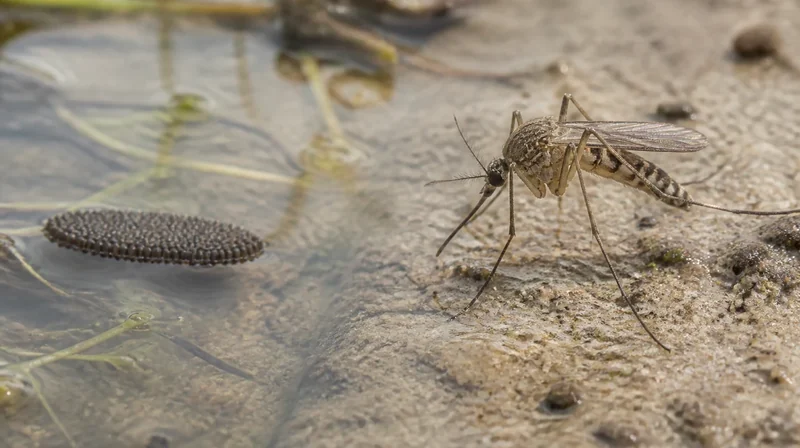
A female mosquito and her eggs completing the life cycle at the edge of still water

How Long Do Mosquitoes Live, and How Fast Do They Breed?

The adult lifespan of mosquitoes is usually measured not in days but, for females, in a few weeks; development from egg to flying adult can take about 7–14 days under suitable conditions. However, no single timeline applies to all mosquitoes: species, temperature and when the eggs come into contact with water change the duration. The most surprising point is that some eggs can wait without being in water, and the cycle starts again with water. For species and general life information, see the main mosquito guide. ...
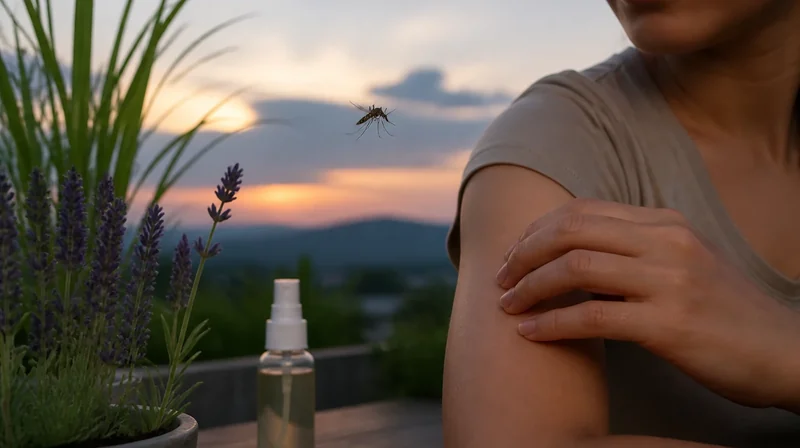
Scent claims and effective repellent use in protection against mosquitoes

What Repels Mosquitoes? Which Scents Do They Dislike?

Mosquitoes do not definitively flee from any single scent; the effect of scents such as citronella, lavender or lemongrass depends on the product, the concentration and the conditions of use. The really important difference is that a plant sitting on the balcony is not the same thing as a repellent with a known active ingredient and usage label. Understanding how mosquitoes find people also helps you weigh claims about which “natural solution” works. For species, habitats and protection options, you can read the main mosquito guide. ...
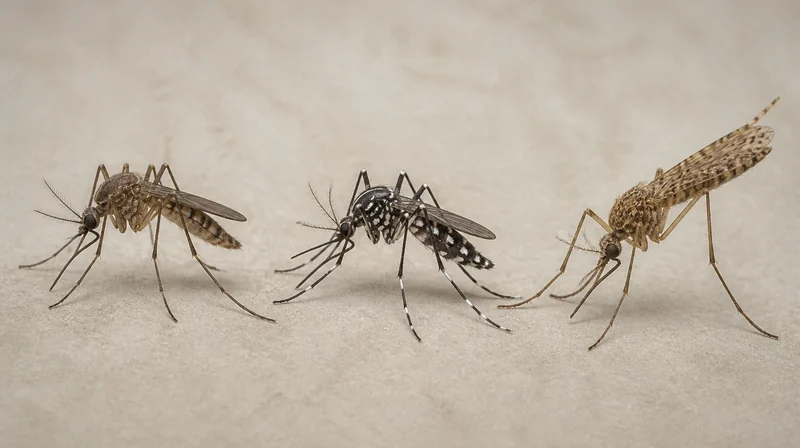
Distinguishing appearance of the Culex, Aedes and Anopheles mosquito genera in Türkiye

Mosquito Species: Which Mosquitoes Live in Türkiye?

Mosquitoes are not all the same: in Türkiye you mainly come across the Culex, Aedes and Anopheles genera. The three differ in appearance, the hours when they are active and their breeding sites; however, it is not possible to say for certain what species a mosquito is, or whether it carries disease, just by looking at its color. The most surprising difference is that a small stripe or a resting posture can point to biologically different groups. For general information on the life cycle and protection, you can take a look at the main mosquito guide. ...

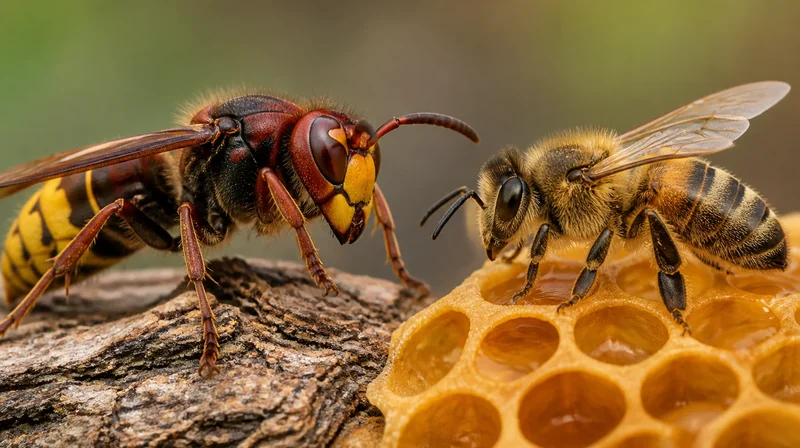
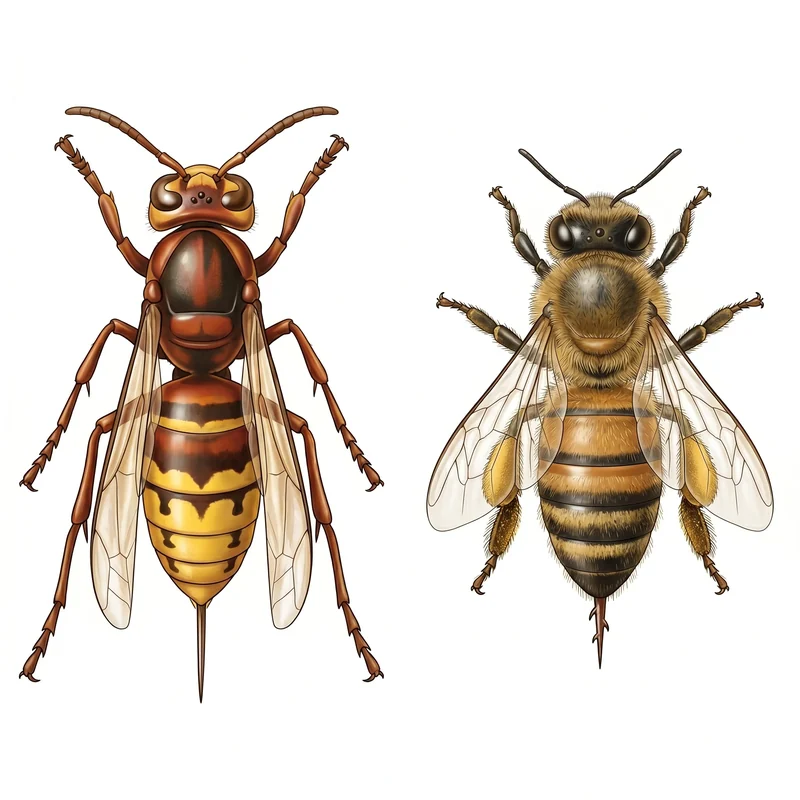
An image comparing the appearance of a wasp and a honey bee

Why Do Bees Sting? The Difference Between Wasps and Honey Bees

The basic reason for a bee sting is defense; the wasp and the honey bee do it with different stinger structures. A wasp can usually pull out its stinger and use it again, while the honey bee’s barbed stinger can get stuck in human skin. The details of the behavior vary by species; the life and behavior of wasps and the colony organization of the honey bee help in understanding this difference. ...

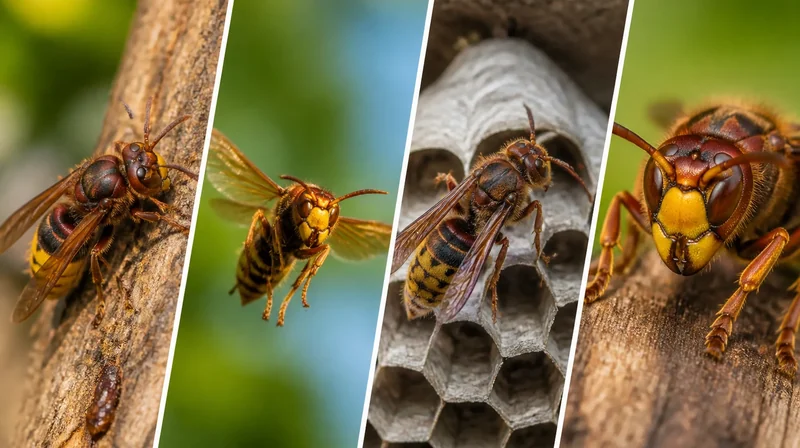
Scientific image showing the life stages of the wasp and the nest cycle

How Long Do Wasps Live? What Happens in Winter?

A wasp’s lifespan varies with its role: workers mostly live for a single active season, while mated new queens can get through the winter and found a colony the following year. The really surprising part is that those that survive the winter are not the whole colony waiting in the old nest but mostly the new queens. Since “wasp” is used for different Vespidae species, the durations vary with the species and the climate; the cycle below is the general pattern of social species in temperate regions. To get to know the species and nests in Türkiye, you can take a look at the wasp guide. ...

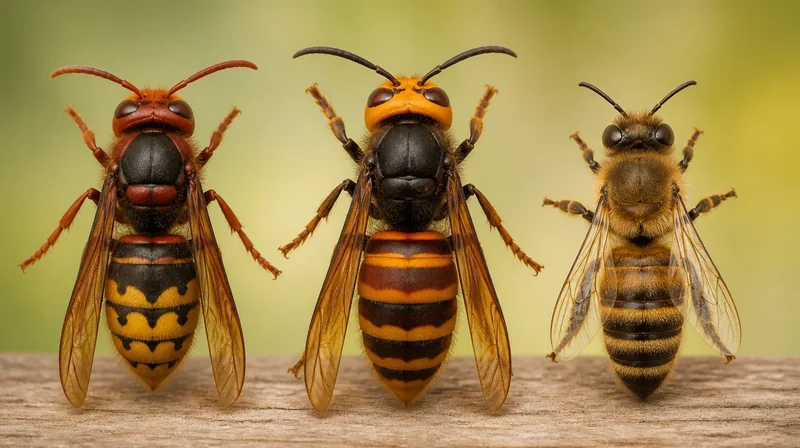
Scientific image comparing a wasp with a honey bee

What Repels Wasps? What Do They Dislike?

What keeps wasps away most reliably is not leaving food and garbage out in the open; no single smell or homemade mixture is a sure repellent. The really important distinction is this: moving a foraging worker away from the table is one thing, dealing with a wasp near a nest is an entirely different risk. For the feeding behavior of wasps and why they come to meat, see the guide to what wasps eat. ...

Scientific image comparing a wasp with a honey bee

What Do Wasps Eat? Do They Eat Honey Bees and Meat?

Wasps both feed on sugary liquids and mostly carry the insects they hunt to their larvae; their coming to meat is related to this protein need. The surprising detail is this: the adult worker and the larva in the nest don’t consume the same food in the same way. For the nest and behavior traits of the species found in Türkiye, see the wasp guide. What do wasps eat? Adult wasps get energy from sugary liquids such as nectar, ripe fruit juice, plant sap and the honeydew secreted by aphids. Larvae, on the other hand, need protein-rich food to develop. Workers catch caterpillars, flies and other small arthropods, cut them up and bring them to the nest. The University of Maryland extension service explains that adults take liquid and sugary foods, while the young receive the prey brought by the workers. ...

Scientific image explaining the question of whether wasps make honey, showing the difference between a wasp and a honey bee

Do Wasps Make Honey? Can Their Honey Be Eaten?

No, the wasps commonly encountered in Türkiye do not make honey and store it in the nest. The really surprising point is that a few tropical wasps can store nectar and honeydew; this exception does not mean that the comb-like structure in every wasp nest is full of honey. For the species in Türkiye and their nesting behavior, you can also read the main wasp guide. Why don’t wasps make honey? “Making honey” here is not the same as collecting flower nectar. Wasps can also take sugary liquid from flowers; adults use sources such as nectar and ripe fruit for flight energy. But in common social species, the behavior of storing nectar in the nest for a long time and maturing it as colony food, as honey bees do, is not seen. The colony works differently: workers mostly hunt other insects to provide protein for the larvae, while adults consume sugary food. For details, you can look at the wasp feeding and hunting behavior page. ...

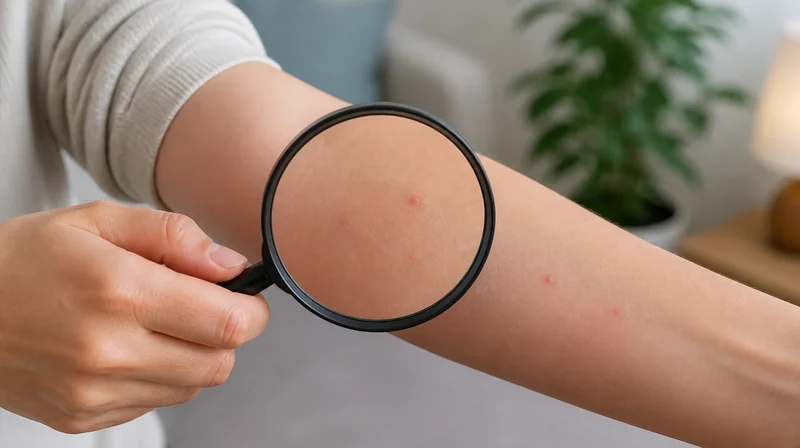
Different raised bumps on the skin of an arm and a skin check with a magnifying glass, for identifying insect bites

Identifying Insect Bites: What Can the Marks Tell You?

Medical notice. This article is for general information only and is not a substitute for medical advice. If you have symptoms such as a severe reaction, a widespread rash, fever or shortness of breath, contact a healthcare provider. In an emergency, call your country's emergency number. When identifying an insect bite, looking at the shape of a single bump and naming the exact species is not reliable. Different creatures such as mosquitoes, fleas and bed bugs can cause itchy redness; some skin problems can also look similar. More useful clues are where the mark appeared, when it was noticed, whether there are signs of insects in the surroundings and whether the person has any other complaints. As when examining the signs of fleas in the house, you also need to observe the surroundings; but a mark on its own is not a diagnosis. ...

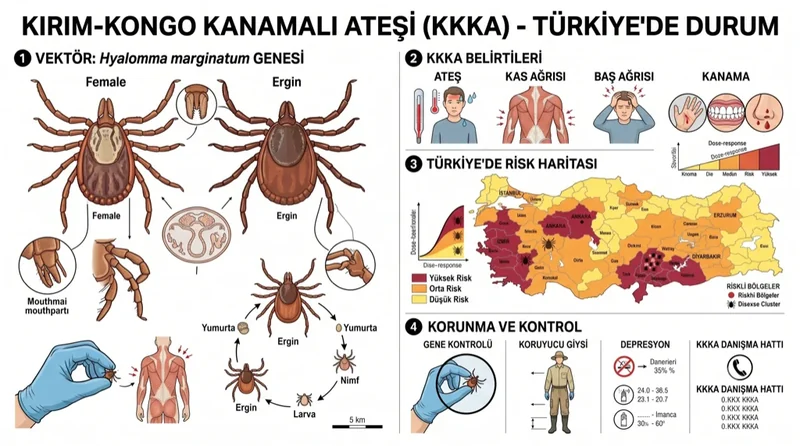
Medical cover image showing CCHF Crimean-Congo symptoms, Hyalomma marginatum and a Türkiye risk map together

CCHF: Crimean-Congo Symptoms and Emergency Triage Guide

When it comes to CCHF Crimean-Congo symptoms, the game turns into one about delay. In the Tick: Biology, Life Cycle and Health Perspective article we covered the vector side; in What to Do After a Tick Bite? An Evidence-Based Guide we covered first response. This page has a single job: to make clear the stages of the disease, the risk areas in Türkiye and the threshold for calling your country’s emergency number. ...

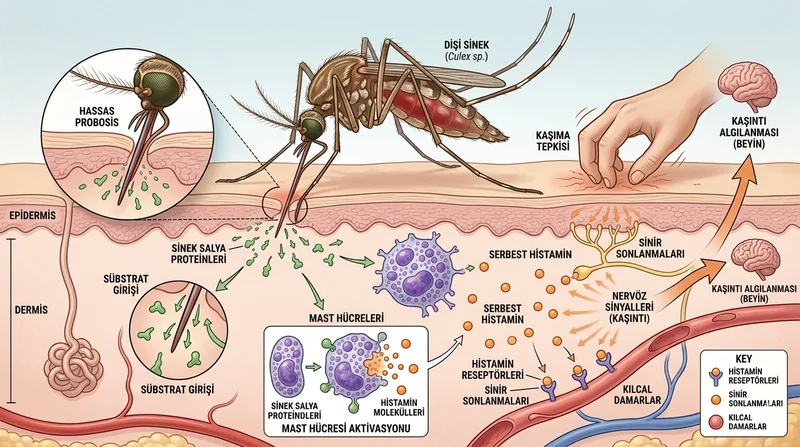
Medical education cover image explaining the histamine chain behind itching after a mosquito bite

Why Do Mosquito Bites Itch? The Histamine Chain

Why do mosquito bites itch? The short answer is clear: proteins in the female mosquito’s saliva enter the skin, mast cells treat this as a foreign signal, release histamine, and the itching starts. For the general framework, see the Mosquito: Biology, Species and Health Information article, and for the broader question of target selection, see the Why Do Mosquitoes Bite Some People More? The ETM Complex page. This text is general information; if there is shortness of breath, swelling of the lips or tongue, rapidly spreading redness or fainting, emergency help is needed. ...

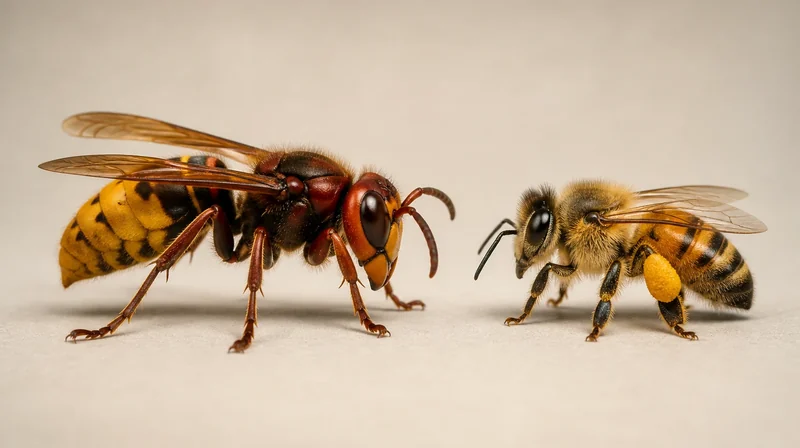
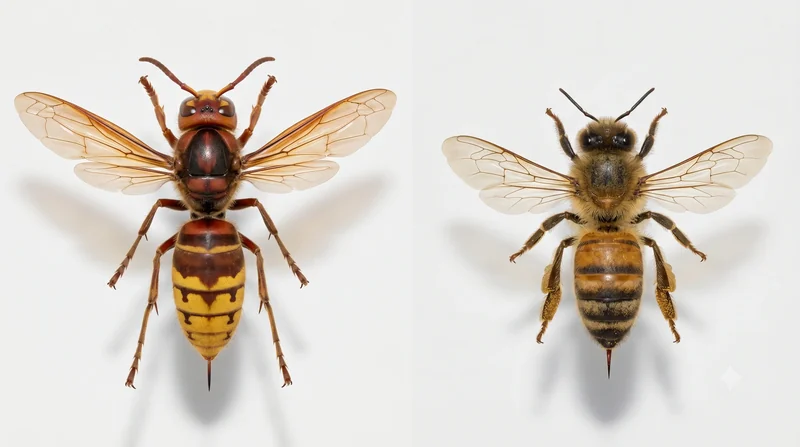
Wasp and honey bee side-by-side comparison

Wasp vs Honey Bee: How to Tell Them Apart in 5 Seconds?

The wasp is large, shiny and almost hairless; the honey bee is small, round and hairy. The way to tell them apart at a single glance from a distance is to look at the hair: the honey bee looks velvety, the wasp looks polished. The real difference, though, is not in appearance. A honey bee can sting you once and usually pays for it with its life; a wasp pulls its stinger back and stings again and again. That is why confusing the two also means making the wrong decision about approaching. In other words, in the field the first difference is visible to the eye, while the second becomes clear when you make the mistake of getting too close. The right attitude is not curiosity but keeping your distance. In this article we separate the differences between the wasp and the honey bee in a practical, clear way, without creating panic. ...