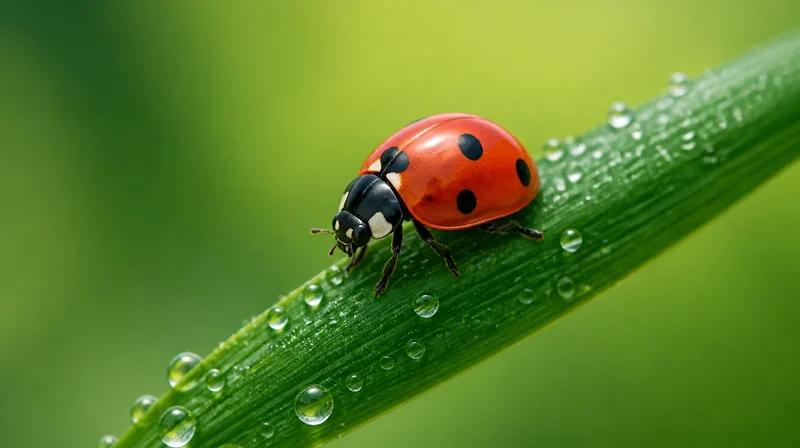
Color and spot patterns of different ladybug species in Türkiye

What Do Ladybugs Eat, and How Long Do They Live?

Most ladybugs eat aphids and other small creatures; depending on the species and conditions, the adults can live anywhere from a few months to more than a year. But not all of them are aphid hunters: some species feed on plants, others on fungi. Reducing their lifespan to a single number isn’t right either. Let’s look first at what they eat, then at how long they live. For the species and color diversity of the family, you can check out the main ladybug guide. ...
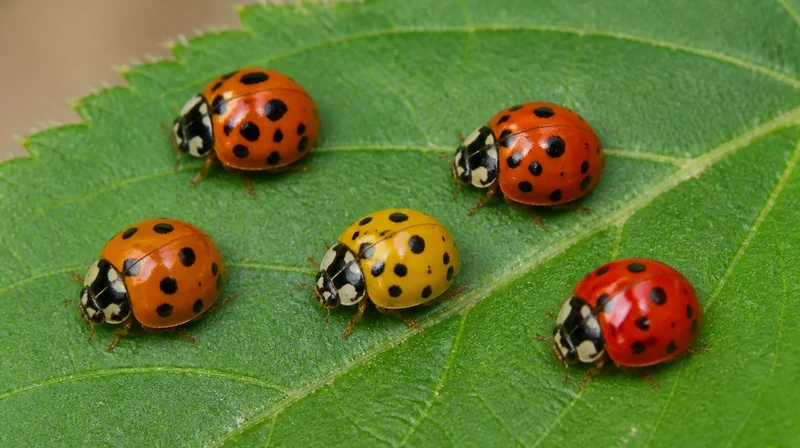
Red, orange and yellow ladybugs with different spot patterns on a leaf

Ladybug Species and Colors: What Does a Yellow One Mean?

A yellow ladybug is not a special sign of luck, age or danger; yellow is one of the natural colors of some species in the family Coccinellidae. What is really surprising is that within the same family, colors range from yellow to orange, red and even black, and the number of spots can vary too. That’s why seeing the color and immediately putting a species name on it is misleading. You can find the general features of the family in the basic ladybug guide; here you can learn what yellow tells you and how to compare species. ...

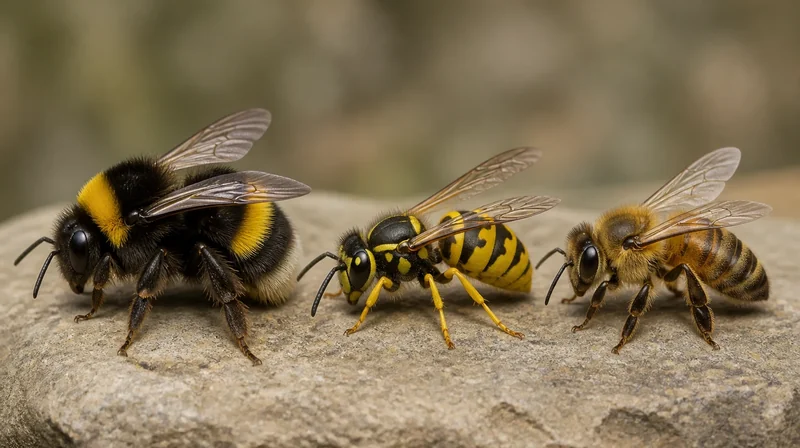
Comparison of the appearance and body structure of a Bombus wild bee, a wasp and a honey bee

Wild Bee Types: How Do They Differ From Wasps?

No, not every species called a wild bee is a wasp; Bombus bees are also called wild bees, and they don’t produce honey like the honey bee. The really surprising detail is that Bombus stores nectar yet doesn’t turn it into a honey store for winter, and that some tropical social wasps are an exception. To recognize the wasps commonly found in Turkey, you can look at the wasp guide. Are wild bees and wasps the same? No. In everyday Turkish, the name rendered here as “wild bee” does not refer to a single scientific group; it is often used broadly for bees and bee-like members of Hymenoptera living in nature. Wasps, on the other hand, are the species in the family Vespidae. The large, hairy bees called Bombus belong to the family Apidae. That’s why mistaking a Bombus for a wasp, or understanding a single species from the word “wild bee”, is misleading. You can also compare the differences between wasps and honey bees separately. ...

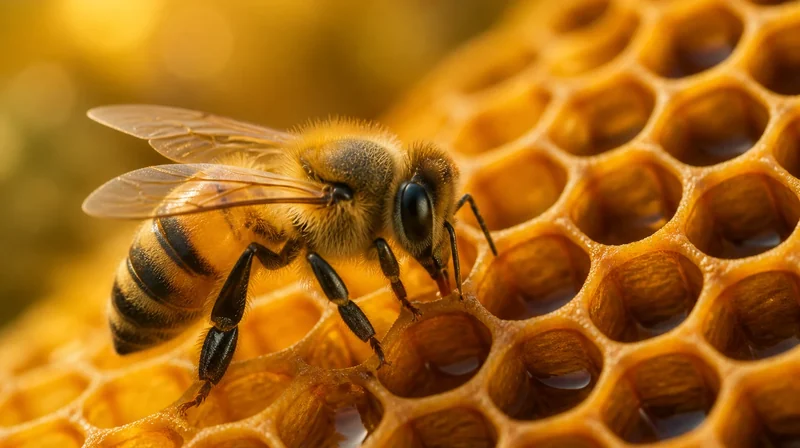
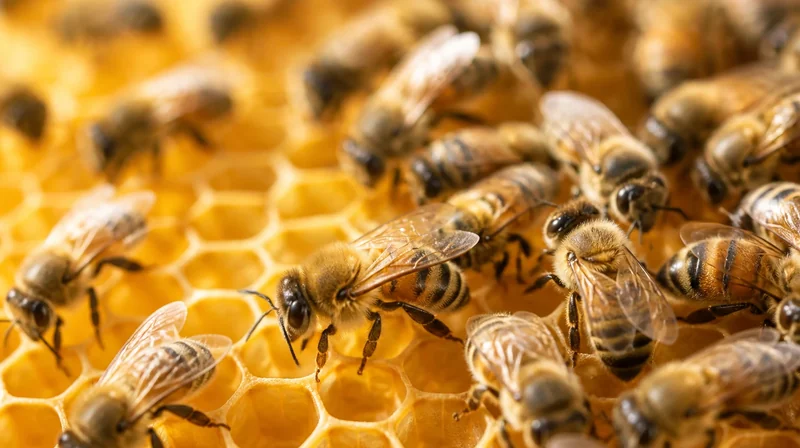
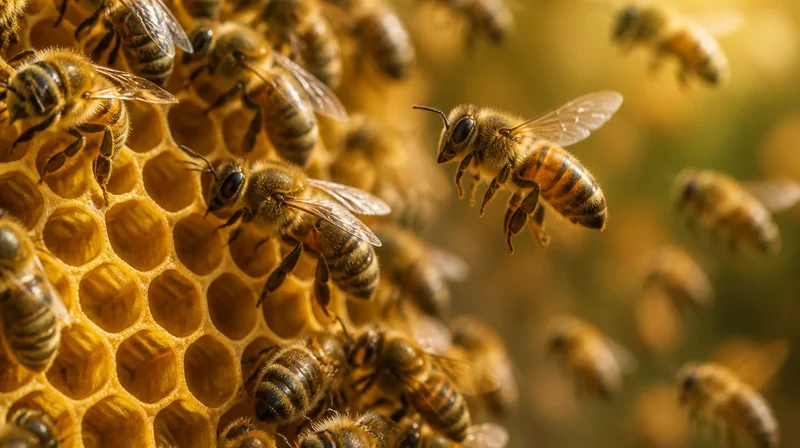
A honey bee colony and the queen, worker and drone bees in the colony

Why Do Bees Swarm? How Does a Honey Bee Colony Split?

A honey bee swarms when the colony is going to reproduce and found a new nest: the old queen leaves the hive with part of the workers, while the remaining colony raises a new queen. The surprising part is that the cluster of bees hanging in a tree is usually a temporary stop; while scout workers look for a new nest, the colony waits, holding on to one another. For the colony’s general organization, you can take a look at the honey bee guide. ...

Differences in the roles of the queen, workers and drones in a honey bee colony

How Does a Queen Bee Develop, and What Is Her Role?

A queen bee develops when a young female larva is raised as a queen by the colony; her main role in the hive is to lay eggs. But the queen is not just a big bee: her development is set up by the worker bees, her pheromones affect the colony’s behavior and her appearance changes depending on whether she has mated. So how does an ordinary female larva turn into a queen, what exactly is her job in the hive and how do you tell her apart from the workers? The honey bee’s colony organization and communication gives the general framework of this division of labor. ...

Workers in a honey bee colony turning nectar into honey in the comb

How Do Honey Bees Make Honey? From Nectar to Comb

A honey bee makes honey by transforming flower nectar with enzymes and reducing the water in it; it stores the ripened honey in comb cells and caps it with beeswax. The surprising part is that this transformation is not the work of a single bee, but a shared process that the workers in the hive carry out in turn. You can see the division of labor inside the colony in the general guide to the honey bee. ...

Lifespans of queen, worker and drone bees in a honey bee colony, varying with their tasks

How Long Do Honey Bees Live? Worker, Drone and Queen

A honey bee’s lifespan depends on its task: a summer worker lives about 15–38 days, a winter worker 150–200 days, a drone mostly a few weeks, and the queen an average of 1–2 years. What is really surprising is that, because of season and task, the lifespans of individuals in the same hive can stretch from weeks to years. In this article we compare the lifespans of the worker, the drone and the queen separately. To see the structure of the colony in a broader frame, you can also look at the honey bee guide. ...

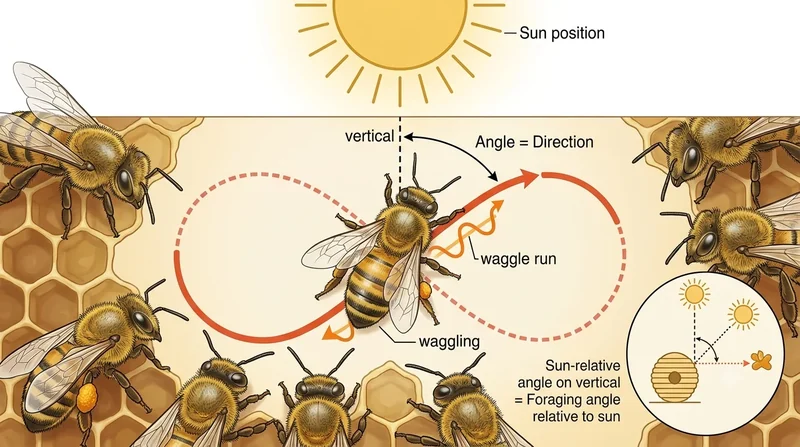
A honey bee performing the figure-8 waggle dance on the comb — carrying direction and distance information about a food source to the colony

The Honey Bee Dance Language: Karl von Frisch and the Figure-8 Waggle Dance

The honey bee dance language is a bee giving the colony location and quality information about a source it has found. Its best-known form is the waggle dance, that is, the figure-8 dance. Here the bee doesn’t just waggle; it encodes direction, distance and the strength of the source. This article should be thought of as a subtopic connected to section 5 of our main Honey Bee article. The short answer is this: the honey bee turns the information of the individual that found food into collective intelligence. This behavior is one of the most advanced examples of symbolic communication in the insect world. For the colony behavior section of the Honey Bee article, this topic is a key piece in understanding colony logic. ...

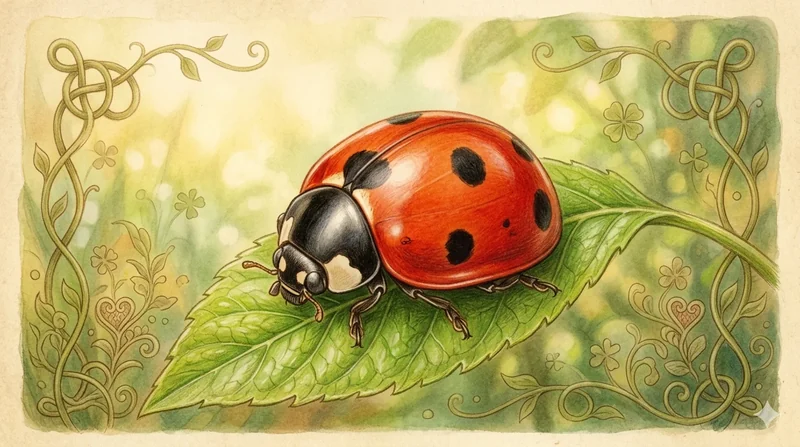
A ladybug on a leaf

Why Are Ladybugs Considered Lucky? Folklore and Science

The ladybug is an insect that is underestimated because of its small body, yet it does heavy work both in the garden and in culture. People made it a symbol of “luck” because they first saw its benefit and then loaded meaning onto it. On one side there is its role as a natural predator that reduces aphid pressure; on the other there is a folkloric story of luck stretching from Europe to Anatolia. When these two lines came together, a familiar symbol emerged. The basic definition in The Ladybug: Between Science and Folklore is expanded with folklore and science in this sub-article. The short answer is this: the ladybug is considered lucky because it does work; and people love what is useful. ...

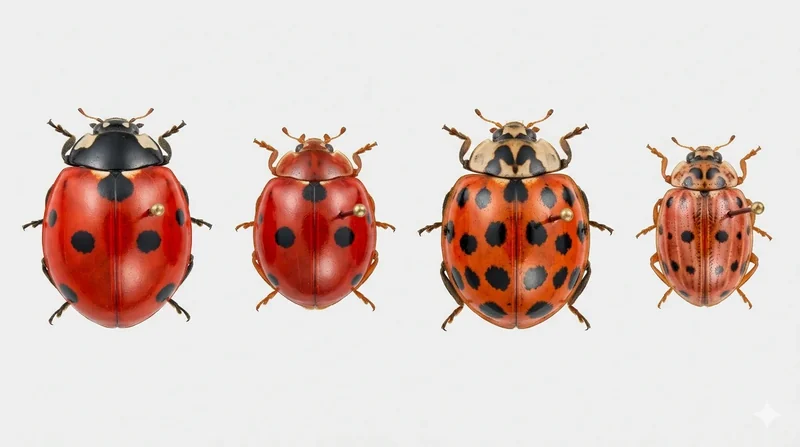
4 ladybug species in Turkey

Ladybug: Between Science and Folklore

The ladybug is a beetle belonging to the family Coccinellidae within the order Coleoptera, one that people easily love but whose ecological impact should not be underestimated. It has more than 6000 species worldwide; in other words, the small red spotted form we see is not a single type. The most talked-about shared trait is that it hunts aphids, also known as plant lice. That’s why the ladybug is not just “cute”; it is a useful predator in farming and in the garden. Its evolutionary history also goes back quite far; the group’s roots reach back about 60 million years. In short, this beetle is not a showcase color but a working part of nature. This article is a general guide; for the detail most often asked about in daily life, you can look at our article Why Is the Ladybug Considered Lucky? Folklore and Science. ...

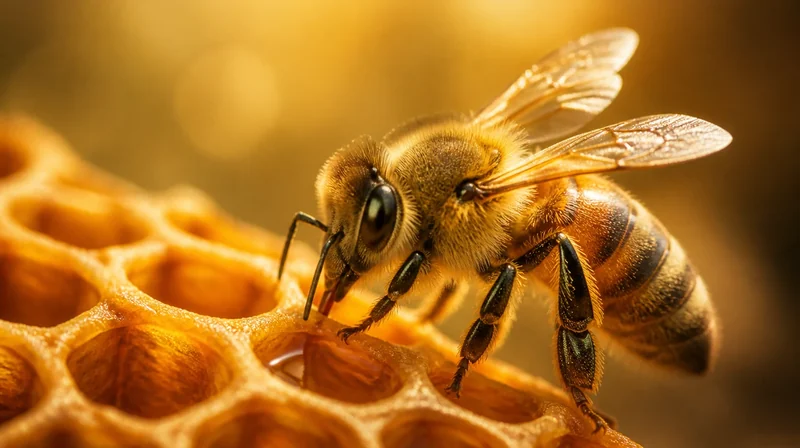
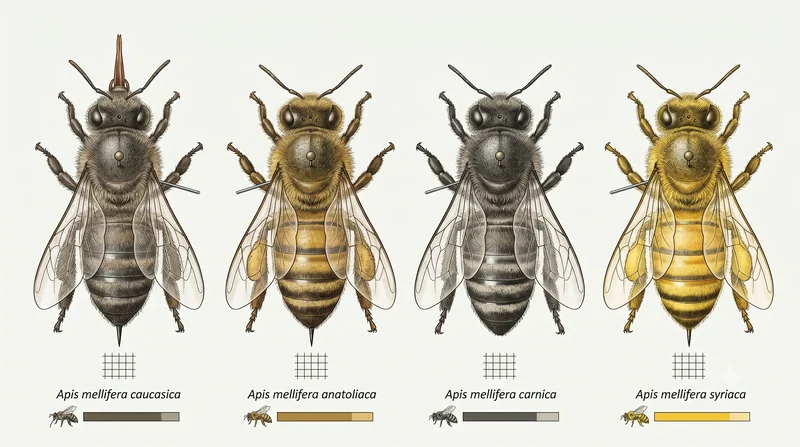
The 4 honey bee subspecies in Türkiye

Honey Bee: Society, Communication and Ecological Importance

Short answer: the honey bee is one of the best-known representatives of the genus Apis, belonging to the family Apidae within the order Hymenoptera. Its evolutionary origin goes back roughly 30 million years; human contact with beekeeping, meanwhile, has a history of at least 9000 years. Although in everyday language it is called just “the insect that makes honey,” the story is bigger: the honey bee is a pollen-carrying worker that helps plants reproduce sexually, a society living in a hive and an ecological element critical for agriculture. This article is a general guide; for the detail asked about most often in daily life, you can look at our article Honey Bee Dance Language: Karl von Frisch and the Figure-8 Waggle Dance. ...